Boost Your Fashion Confidence: Style & Wardrobe
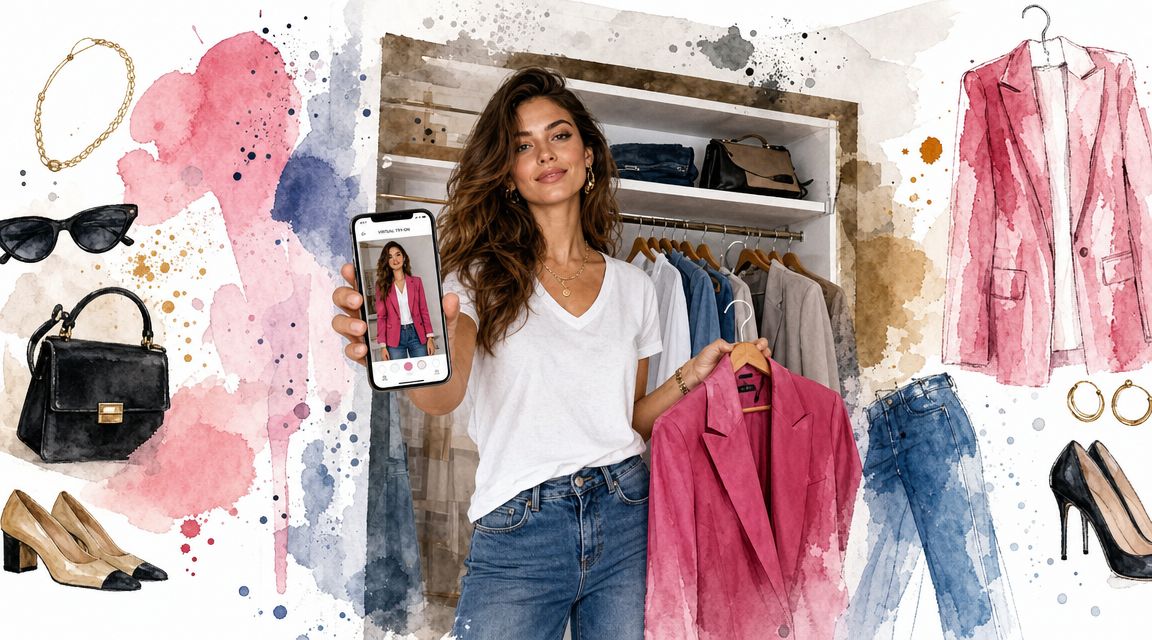
Your closet is full, your cart is full, and somehow you still feel like you have nothing to wear. That's not a style failure. It's a confidence gap.
A lot of people don't struggle because they lack taste. They struggle because getting dressed has turned into a test. Every item has to be flattering enough, cool enough, appropriate enough, and worth the money. That pressure kills the fun.
Clothing affects how people feel about themselves far more than most style advice admits. 73% of people say their clothing choices are a major factor in how they feel about themselves, according to fashion confidence statistics on Best Colorful Socks. That means fashion confidence isn't shallow. It's practical, emotional, and personal.
A small detail can shift everything, too. Sometimes it's the coat that sharpens your whole outfit. Sometimes it's eyewear that gives your face the exact energy you want. If you're refining that final layer, browsing iconic YSL frames is a smart way to see how accessories can anchor your look instead of just decorating it.
Your Journey to Fashion Confidence Starts Here
I think many individuals learn the wrong lesson from fashion early on. They assume confident dressers were born knowing what works, while everyone else is stuck guessing.
That's nonsense.
Fashion confidence is a skill. You build it the same way you build any other skill. You notice patterns, test options, keep what feels right, and stop outsourcing every decision to trends, influencers, or random product reviews.
What confidence actually looks like
It doesn't mean loving every outfit.
It means you can look at a piece and ask better questions. Not “Will this make me look like someone else?” but “Does this look like me, on a good day?” That shift matters because style gets easier when you stop chasing approval and start looking for recognition. You should recognize yourself in your clothes.
Fashion confidence starts when your outfit feels like an extension of your identity, not a costume for someone else's standards.
A lot of online shopping anxiety comes from this exact disconnect. You might like a dress on the model and still hesitate because you can't picture the appearance on your own body, with your own vibe, in your own life. That uncertainty is what makes style feel stressful instead of creative.
Master Your Style Mindset
Your biggest style problem probably isn't your wardrobe. It's the running commentary in your head.
If your first thought when you get dressed is “Will people judge this?” you're already dressing from defense. Confident style comes from offense. You choose pieces because they express something real, useful, playful, sharp, relaxed, dramatic, polished, not because they hide you.
Stop dressing for imaginary critics
Others aren't paying nearly as much attention to your outfit as you think. The person who is paying attention is you. So your standard should be simple. Wear clothes that support the version of yourself you want to step into that day.
Try these mindset swaps:
- Replace “Is this trendy?” with “Does this feel like me?” Trends can be fun, but they make a terrible compass.
- Replace “Can I pull this off?” with “Do I want to try this look?” Style is allowed to be experimental.
- Replace “What if it's too much?” with “Is it intentional?” Bold works when it looks chosen.
The fastest way to weaken self-consciousness is repetition. Wear the blazer you love more often. Repeat the lipstick. Use the bag that makes a basic outfit feel finished. Familiarity turns “brave” into “normal.”
Dress for the life you're actually living
Confidence drops fast when your clothes fight your day. If you're commuting, sitting through meetings, running errands, and meeting friends after work, your outfit needs to support all of that. Good style isn't fragile.
That's also why occasion-specific styling matters. If you're figuring out polished office outfits with a little personality, this expert advice on professional gold footwear is useful because it shows how one distinctive element can still look work-appropriate.
This video captures that same idea well and gives more visual inspiration:
<iframe width="100%" style="aspect-ratio: 16 / 9;" src="https://www.youtube.com/embed/pVJwn3dvp8U" frameborder="0" allow="autoplay; encrypted-media" allowfullscreen></iframe>Mindset check: If a piece only works when you stand still, suck in, or keep adjusting it, it's not building confidence. It's draining it.
Curate a Wardrobe That Serves You
A confident wardrobe is edited. Not huge. Not perfect. Edited.
You do not need more clothes. You need fewer dead-weight pieces that create guilt, clutter, and bad outfit decisions. If you keep reaching past an item every week, that item is taking up visual space without giving anything back.
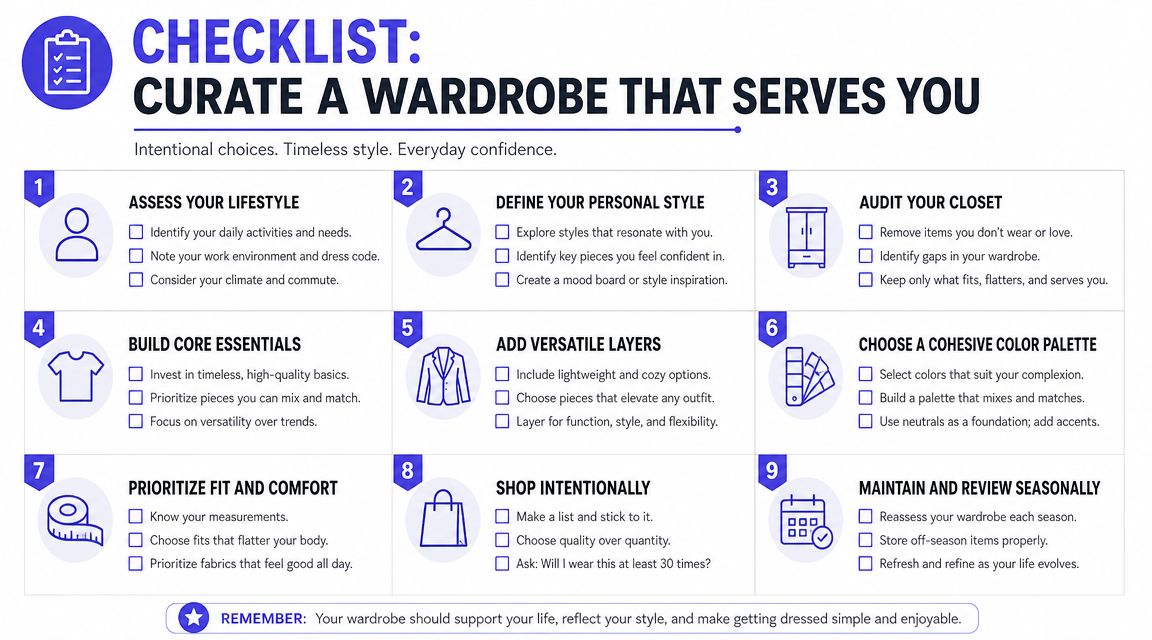
Do a ruthless wardrobe audit
Pull everything out. Yes, everything. Then sort each piece into three piles.
-
Wear on repeat
These are your confidence anchors. They're easy, reliable, and feel like home. -
Like, but needs thought
Maybe the item looks good but never pairs well. Maybe you love the color but not the neckline. Keep these only if you can name the problem clearly. -
No longer serves you
Wrong mood, wrong era, wrong lifestyle. Let it go.
Don't ask whether an item is still technically usable. Ask whether it actively supports the way you want to dress now.
Build around identity, shape, and ease
The advice I trust most is simple. Select pieces that reflect your personal identity, verify they flatter your shape, and use good posture to present the outfit. Authenticity and comfort consistently matter more than trendiness for genuine self-assurance, as outlined in Never Fully Dressed's confidence-through-style guide.
That means your wardrobe should include basics with personality, not basics that bore you.
A useful way to understand:
| What to keep | Why it earns space |
|---|---|
| A reliable jacket or coat | It finishes outfits fast |
| A few bottoms that work with multiple tops | They remove decision fatigue |
| Shoes you can actually walk in | Confidence shows in movement |
| One or two expressive pieces | They keep your style from going flat |
If you want a practical starting point, I'd use this guide on how to build a capsule wardrobe to shape the backbone of your closet.
And if you're curating specifically for polished photos, interviews, or profile updates, these outfits for LinkedIn headshots are a strong reference because they balance personality with clarity.
Keep the pieces that make getting dressed easier. Remove the ones that make you negotiate with yourself.
Plan Outfits and Experiment Without Fear
Confident dressers don't magically invent great looks in the five minutes before leaving the house. They plan. Then they play.
That's the part people skip. They buy interesting pieces, toss them into a closet, and expect effortless style to happen on demand. It won't. You need a low-pressure system for combining what you own.
Create a small outfit rotation
Pick a quiet moment once a week and make a few outfits in advance. Not ten. Three is enough.
Try one look for work, one for errands or casual plans, and one for a moodier or more expressive day. Lay everything out, including shoes and outerwear, so you can judge the full appearance instead of isolated items.
If you want help visualizing combinations before wearing them, this article on how to create virtual outfits is a practical next step.
Use the 7-point rule
There's a reason structure helps. It cuts panic.
A useful approach is to treat your wardrobe like a decision system. Fashion editors use the 7-point rule, where an outfit is balanced by combining basic and statement pieces to land around 7 to 8 points, according to Psyche's guide to using clothes for confidence at work. The point isn't math for its own sake. The point is balance.
Here's a simple way to use it:
- Basic tee or tank gets a low score because it's quiet.
- Precisely cut trousers or great denim add structure without shouting.
- Statement coat, bold shoe, or standout bag carries more visual weight.
If your outfit feels dull, it may need one stronger element. If it feels chaotic, remove one competing piece.
Some outfits fail because they're boring. Others fail because every item is trying to be the star.
Keep an outfit archive
Take mirror photos. Save combinations. Notice what keeps working.
That archive becomes proof. You stop relying on memory and start building personal evidence. That's how fashion confidence becomes repeatable instead of random.
Bridge the Gap with Virtual Try-On Technology
You're on a product page at 11:30 p.m., one tab open to a satin slip dress, another to a blazer, another to a pair of boots you almost bought last week. Your taste is not the problem. The problem is doubt.
Online shopping creates a specific kind of style anxiety. You can know your colors, know your shape, and still stall because a flat product photo does not answer the only question that matters in that moment.
Will this look like me?
That gap gets ignored in a lot of fashion advice. You'll hear “trust your instincts,” but instincts get shaky when returns are annoying, secondhand listings are final sale, and every store styles the same item differently. Confidence gets stronger when you reduce guesswork before you buy.
Use visual previews to calm the spiral
Virtual try-on helps because it turns abstract style advice into a concrete decision. Instead of trying to mentally translate a model photo into your real life, you can preview the appearance on your own image and judge the vibe with your own eyes.
TryThisFit does exactly that. You upload your photo, use a product image, and check how the clothing looks on you before you commit. It's built for visual styling, not size prediction, which is why it's so useful for questions like “Is this neckline too severe on me?” or “Does this coat feel sharp or heavy?”
If you're new to the idea, this guide on what a virtual try-on app is gives a clear overview.
Flat product photos usually work best because the item is easier to read. Standard store images are often enough. So are many resale listings, which makes this especially helpful when you want more certainty and fewer expensive guesses.
Here's where it earns its place fast:
- Retail browsing when five similar dresses start looking identical and you need to spot the one with the strongest presence.
- Secondhand shopping when returns are limited and you want a better read before taking the risk.
- Big marketplace searches when endless options blur together and you need a quicker way to rule things out.
- Event or costume shopping when the mood matters just as much as the garment.
Better decisions create better confidence
I care a lot about this because vague style advice never solved the part that stresses people out. Seeing the outfit first does.
Once you can preview the appearance, you stop treating every purchase like a gamble. You choose faster. You abandon fewer good ideas out of fear. You also avoid buying pieces that looked exciting on the model but feel off for your proportions, coloring, or personal style.
That kind of feedback changes your relationship with clothes. You stop asking, “Can I pull this off?” and start asking, “Is this me?” That is a much better question.
Daily Rituals to Nurture Your Confidence
Confidence isn't built by one lucky outfit. It grows from repetition.
You need tiny rituals that keep style connected to self-trust instead of self-criticism. Nothing dramatic. Just consistent proof that you know how to dress for your own life.
Keep the feedback loop positive
Start with a one-minute mirror check each morning. Don't scan for flaws. Pick one thing that works. The color combination, the shape of the jacket, the shoes with the trousers. Train your eye to notice success.
Then make your good outfits easier to repeat.
- Save what worked by keeping screenshots or outfit photos in one place.
- Reuse your favorites without apologizing for repetition.
- Stand like the outfit deserves space because posture changes the whole impression.
If you use virtual previews, save the looks that felt most like you in your try-on history. That becomes your own reference board, built from your taste instead of someone else's feed.
Accept compliments properly
When someone says you look good, don't dodge it.
Say thank you. That's it. Confidence gets stronger when you stop treating positive feedback like a misunderstanding.
Your style gets better when you stop asking for permission and start collecting evidence of what already works.
Frequently Asked Questions
How do I get the best results with TryThisFit?
Start with a simple photo. Face the camera, use decent lighting, and avoid busy backgrounds that compete with the outfit.
For the clothing image, choose one where the item is fully visible and the shape is easy to read. Flat-lay shots often work well. Clean product photos from online stores and secondhand listings usually do the job too.
Can I use this for secondhand shopping on Vinted or Depop?
Yes, and you should.
Secondhand shopping is where style confidence often falls apart because the photos are inconsistent, the sizing is vague, and returns are often not an option. A quick preview helps you judge the vibe before you spend money, which cuts down the usual spiral of guessing, second-guessing, and abandoning your cart.
It also works well for testing pieces from fast-fashion shops and marketplace listings when you want to know whether something feels like you before you buy it.
Is the Chrome extension really free?
Yes.
The point is speed. You can right-click a clothing image and preview the look while you browse, instead of opening ten tabs and trying to mentally piece an outfit together from disconnected product shots. That matters because confidence gets stronger when shopping feels clear, not chaotic.
If online shopping usually makes your style instincts go fuzzy, this kind of tool fixes a real problem. It turns abstract advice like "trust your taste" into something concrete. You can see the direction before you commit.
Try Virtual Try-On Now
See how clothes look on you before you buy - works with any online store
Get Started Free