5 Best Practices for Saving Money in 2026
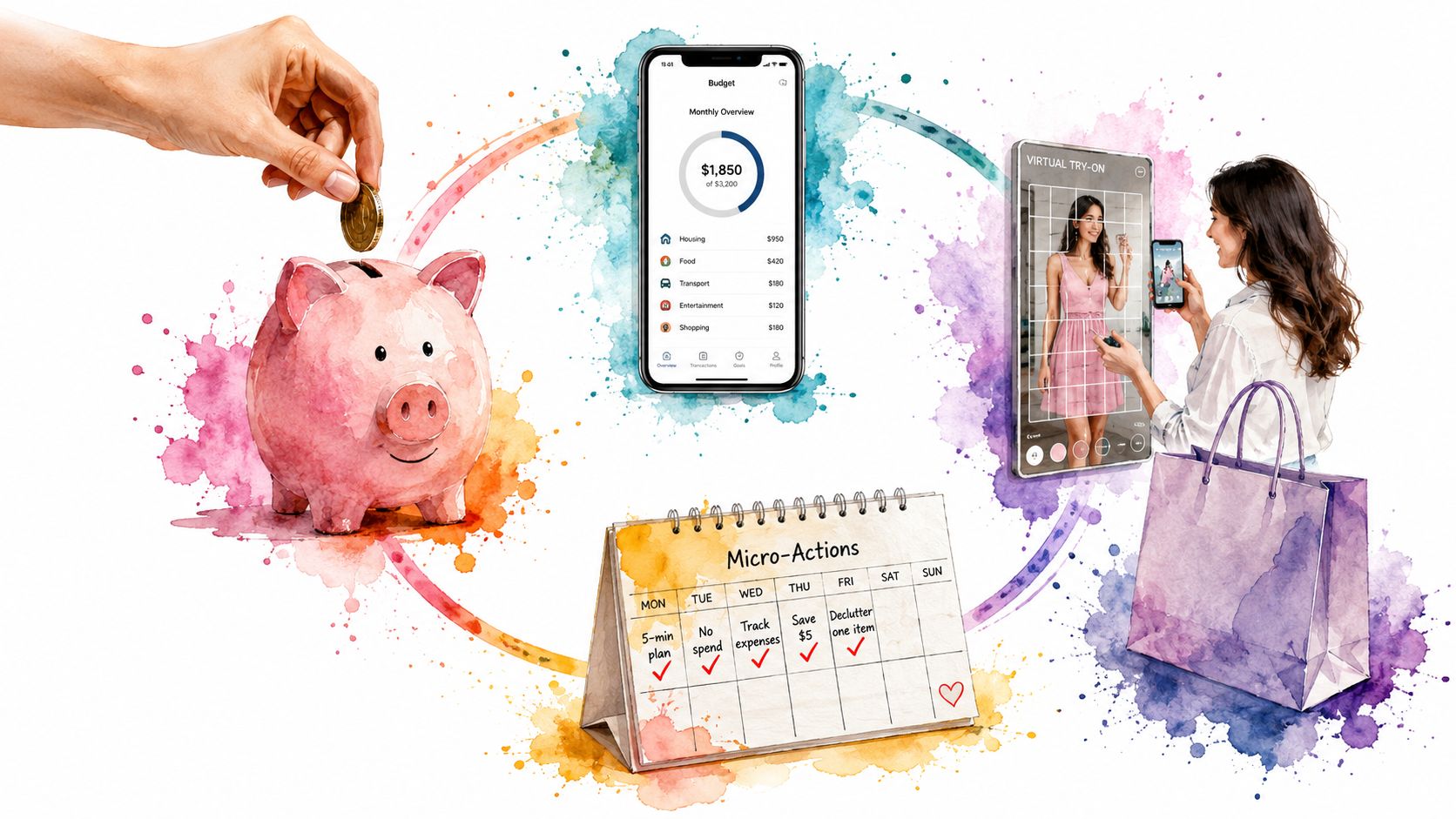
Tired of a closet full of clothes you never wear and the constant cycle of buying and returning? Saving money isn't just about cutting back, it's about spending smarter, especially when online shopping makes impulse buys feel effortless. If you want a sharper wardrobe and a healthier bank balance, the smartest move is to prevent waste before checkout. That's where modern best practices for saving money start to pay off, because the fastest way to save is often to stop buying the wrong thing. If you also want to look expensive on a budget, the same mindset applies, buy with intention, preview the result, and keep only what earns its place.
1. Visualize Before You Buy to Avoid Return Costs
The quickest money leak in fashion is the return spiral. You order something because it looks good on the product page, then it arrives, misses the mark, and costs you time, hassle, and sometimes shipping friction.
A better habit is to preview the look before you buy. TryThisFit lets you see how it looks in seconds, with no accounts needed, so you can judge the style before money leaves your pocket. The app is built for shoppers who want an instant preview without opening a dozen tabs or downloading images, and it works especially well when you upload flat-lay clothing photos, which give the cleanest style read.
Practical rule: if you're unsure, compare a few similar pieces side by side before you commit. That's usually faster than buying one, regretting it, and starting over.
Use the free Chrome extension when you're browsing Zara, H&M, Amazon, Shein, Vinted, or Depop, because the extension's right-click try-on lets you preview the appearance on the page you're already on. It installs in a couple of seconds at TryThisFit's Chrome extension, and that convenience matters when you're trying to stop impulse spending in the moment.
For a direct preview, start with the main experience at TryThisFit's virtual try-on. You can also keep a record of what you've already tested by checking your saved looks in /history, which helps you avoid re-buying the same style in a slightly different package.

A real-world use case is simple. A shopper can preview a dress, realize the color drains the skin tone, and skip a return entirely. A secondhand buyer can visualize a vintage jacket over existing outfits before clicking purchase, which is exactly how smarter spending starts to feel natural.
2. Build a Versatile Capsule Wardrobe Before You Spend Again
A capsule wardrobe saves money because it changes the question from “Do I want this?” to “Will this work hard for me?” That shift cuts duplicate buys, reduces random trend chasing, and makes every purchase do more than one job.
The strongest version of this strategy is visual. Use TryThisFit to preview new pieces against what you already own, then decide whether they expand your wardrobe or just repeat it in a different color. The app makes it easy to visualize style combinations without guesswork, and the free Chrome extension is handy when you're browsing retailers like H&M and Zara because you can right-click and try on pieces immediately.
A capsule wardrobe doesn't need to be boring. It just needs to be intentional enough that every new item earns repeat wear.
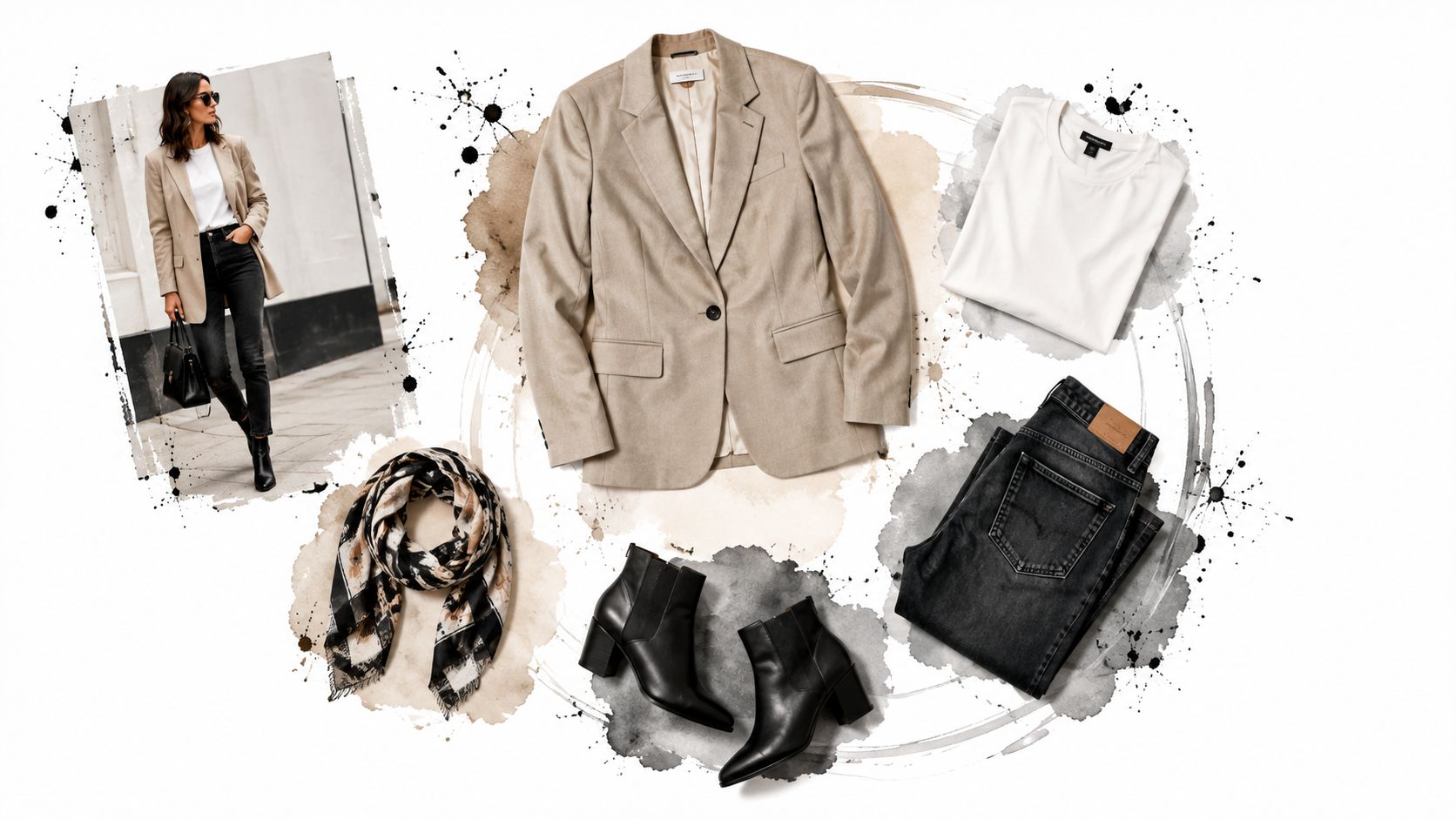
Start by saving your basics, jeans, neutral tops, blazers, and shoes, to your own style reference in /history. Then use the main page at TryThisFit to test whether a new blazer, tee, or skirt works with those pieces in practice. If you can't build several strong outfits around one item, it's probably not a smart purchase.
I like the discipline behind the classic wardrobe rule of keeping most pieces versatile and only a smaller share expressive, because that's where style stays flexible without turning into clutter. The exact mix will vary by lifestyle, but the principle holds, more mix-and-match pieces means fewer emergency purchases later.
Before you buy, build a few complete looks in your head, then confirm them visually in the app. That's the difference between a wardrobe that looks full and a wardrobe that works.
A helpful reference for planning those combinations is TryThisFit's capsule wardrobe guide. It pairs nicely with a wardrobe plan that's built around repeat wear instead of one-time excitement.
3. Master Secondhand Shopping by Previewing Style First
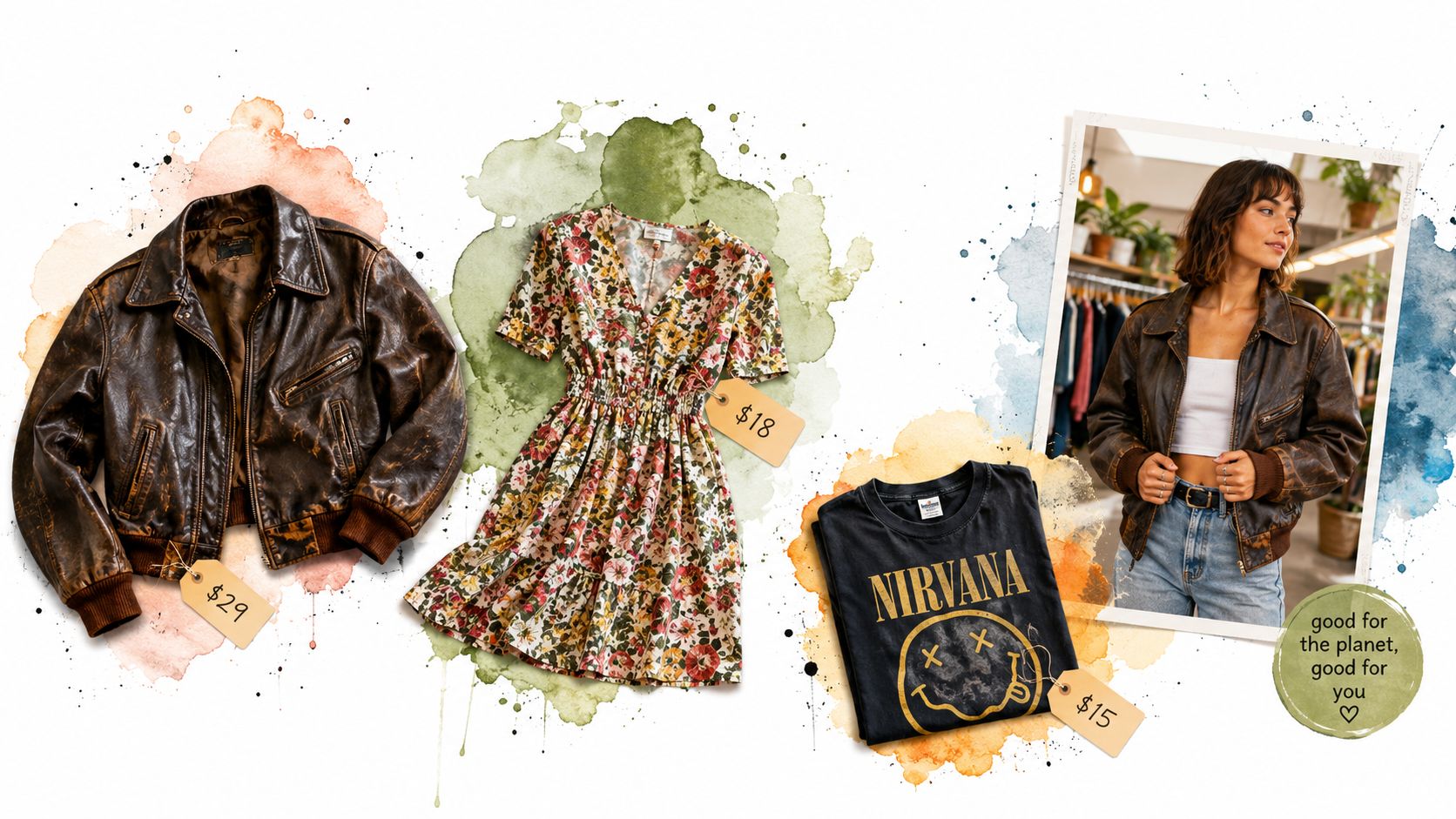
Secondhand shopping is one of the smartest ways to save, but only if you avoid buying pieces that look great in theory and awkward in real life. Thrifting gets even better when you can preview the style before you commit, because that's when you separate true finds from expensive mistakes.
The Chrome extension is especially useful here. On Vinted and Depop, you can right-click product images and instantly preview the look, which makes it easier to judge whether a vintage piece fits your personal style visually, even when you can't physically try it on first. Install it in seconds at TryThisFit's free Chrome extension, then use it to compare multiple secondhand options before you buy.
A smart secondhand shopper also asks for the right photos. Flat-lay clothing photos are the most accurate starting point, because the garment shape is clear and the styling noise is low. That makes it easier to see how the item might look once it's paired with the rest of your closet.
The cheapest secondhand item isn't always the best buy. The best buy is the one you'll actually wear.
Use /history to save the pieces you've already considered, especially if you're comparing several vintage jackets, graphic tees, or dresses over a few days. That little habit keeps you from circling back to the same “maybe” item and calling it a bargain just because it's still available.
For thrift-store style planning, start with TryThisFit's secondhand shopping guide. It's a practical way to turn browsing into a more deliberate process, whether you're building a costume, hunting for a statement jacket, or piecing together a full retro outfit.
4. Avoid Color and Style Mistakes When Sale Items Tempt You
Sale shopping can feel efficient right up until it fills your closet with pieces that never fit your real wardrobe. Discounts push fast decisions, and that is exactly when a visual preview protects your budget.
Use TryThisFit before anything goes into the cart. If an H&M dress catches your eye, right-click it with the Chrome extension and see how it looks before the sale timer pushes you into a bad decision. If you're shopping Amazon, use TryThisFit's Amazon shopping link together with the extension so you can preview deals before checkout.
The better rule is simple. Buy sale items when the style works with what you already own, and let the price be the final check, not the first reason. TryThisFit helps most here, because it gives you a quick appearance check without interrupting your shopping flow.
One of the biggest mistakes I see is buying a color that feels exciting online but clashes with the rest of the wardrobe. Another is grabbing a discounted blazer, skirt, or pair of jeans that does not coordinate with the outfits you already wear most. A low price never fixes a mismatch in style.
If the sale item doesn't create at least one outfit you'd happily repeat, it's not a savings win.
Use /history to revisit older try-ons before you buy a duplicate in a new wash or color. That is especially helpful when you're tempted by a second version of something you already own, even if the sale tag makes it look new and clever.
The habit saves more than money. It saves decision energy, closet space, and the low-grade frustration of staring at a bargain that still doesn't feel right.
5. Plan Special Occasions and Costumes Before the Spending Starts
Special events are where budgets often get wrecked. A wedding invite, Halloween party, or last-minute formal event can trigger panic buying, and panic buying is rarely cheap.
The better move is to start early and preview the complete look before you spend. TryThisFit lets you test outfit ideas in advance, so you can compare costume pieces, formalwear, and event looks across different retailers without guessing how the final style will read. The Chrome extension is especially useful here because you can right-click items across sites like Amazon and Shein, then see how the appearance changes from one option to another in seconds.
Start planning a few weeks ahead so you have room to compare options, wait for shipping, and avoid emergency purchases. That timing matters because rushed event shopping almost always narrows your choices and makes you pay more for less confidence.
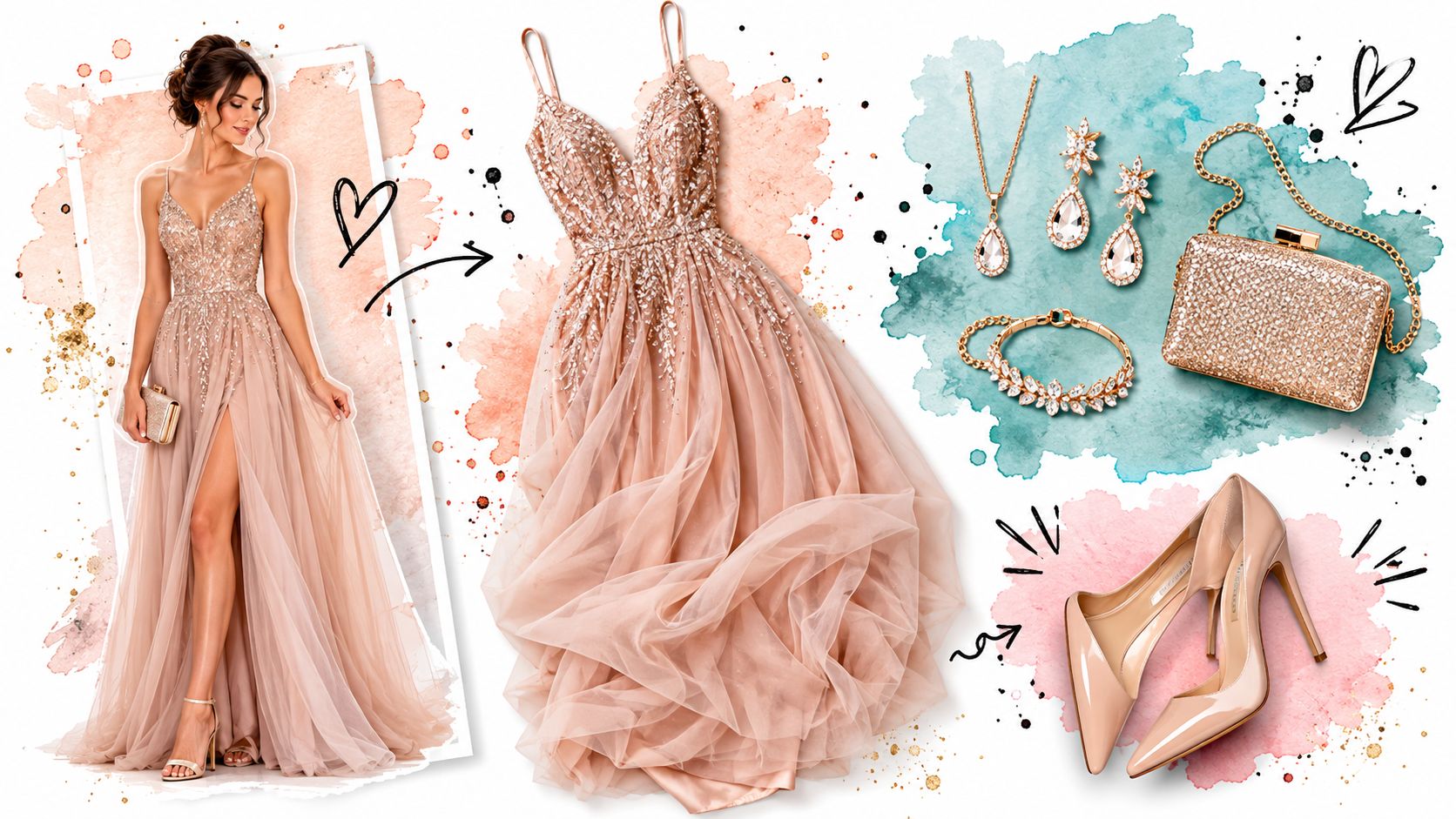
For costume planning, the app is especially helpful because Halloween pieces often look dramatic online but awkward once you see the full outfit concept. For formal events, it's equally useful for testing dresses, shoes, and accessories as one visual unit before you commit.
Use /history to save every event look you test. That way, when you revisit the idea later, you can quickly compare which version looked strongest and which one was just an impulse in disguise.
If you want a fast starting point, try TryThisFit with sample Halloween or formalwear photos and preview the appearance before you buy. That's how you keep event spending stylish instead of chaotic.
The same mindset works for weddings, themed parties, and holiday gatherings. When you plan visually first, you avoid the expensive “I need something now” purchase that always seems to happen at the worst possible moment.
5 Visual Strategies to Save Money
| Approach | Complexity 🔄 | Resources ⚡ | Impact 📊 | Ideal use cases 💡 | Key advantages ⭐ | Limitations |
|---|---|---|---|---|---|---|
| Visualize Before You Buy: Use Virtual Try-Ons to Avoid Return Costs | Low, quick extension install; instant on-page try-on | Chrome browser, product flat-lay photos, occasional uploads | Reduces returns; saves ~$150–300/yr; cuts return rate to <5% | Impulse-prone online shoppers across Zara, H&M, Amazon, Shein, etc. | Eliminates costly returns; fast; no account or subscription required | Accuracy depends on photo quality; requires Chrome; best with flat-lays |
| Build a Versatile Capsule Wardrobe: Visualize Outfit Combinations Before Investing | Medium, requires planning and wardrobe documentation | Time to photograph basics, Chrome extension, comparison sessions | Spend 40–60% less annually; wear ~80% of closet vs ~20% | Long-term wardrobe curation and buyers seeking higher-quality pieces | Prevents duplicates; exposes gaps; increases outfit versatility; sustainable | Takes upfront time and discipline; may feel limiting vs fast fashion |
| Master Secondhand Shopping: Visualize Style on Vinted, Depop, and Thrift Stores | Low–Medium, simple workflow but depends on seller photos | Good flat-lays from sellers, Chrome extension, time to compare listings | Saves ~$400–800/yr vs retail; reduces secondhand returns | Thrift/secondhand buyers on Vinted, Depop, local thrift marketplaces | Combines low prices with buying confidence; supports sustainable choices | Seller photo quality varies; vintage sizing can be unpredictable |
| Avoid Color and Style Mistakes: Test Sale Items Before Committing | Low, fast visualization needed during limited-time sales | Chrome extension, quick side-by-side comparisons, product images | Cuts sale-driven purchases 40–60%; saves ~$200–500/yr | Major sale events (Black Friday, seasonal clearances) across retailers | Prevents impulse discount buys; filters unsuitable deals quickly | Requires discipline; must act fast during short sales; may over-filter rare bargains |
| Plan Special Occasions and Costumes: Preview Looks Before Event Spending | Medium, planning weeks in advance; assemble full looks | Time (3–4 weeks), extension, photos of outfits and accessories | Saves $100–300 per occasion by avoiding last-minute emergency buys | Weddings, parties, Halloween, rentals and costume planning | Avoids rush purchases; confirms rentals/costumes; coordinates accessories | Needs advance planning; in-person fit/appearance may still differ |
Your Action Plan for Smarter Savings
You now have 5 powerful, tech-enabled strategies to master your spending. The key takeaway is simple, visualization is the new frontier of smart shopping. When you preview how something looks before you buy, you're far less likely to waste money on returns, duplicates, and one-time outfits that never earn their keep.
The best best practices for saving money aren't just about cutting categories, they're about cutting mistakes. That's why a tool like TryThisFit fits this topic so well, because it helps you check style, compare options, and make calmer decisions before checkout instead of after regret.
Start with one habit today. Use TryThisFit on your next clothing purchase, save the result to /history, and build from there. Once you get used to seeing the style first, shopping feels more intentional and a lot less wasteful.
For more budget-minded shopping ideas, I also recommend pairing this approach with saving money with AccountShare, especially if you're tightening up your monthly spending habits beyond fashion.
TryThisFit helps you preview clothing style before you buy, so you can spend with more confidence and less regret. If you want to shop smarter, save time, and avoid return-heavy mistakes, visit TryThisFit and try your next outfit visually first.
Try Virtual Try-On Now
See how clothes look on you before you buy - works with any online store
Get Started Free