Casual Dining Attire: What to Wear & How to Style It
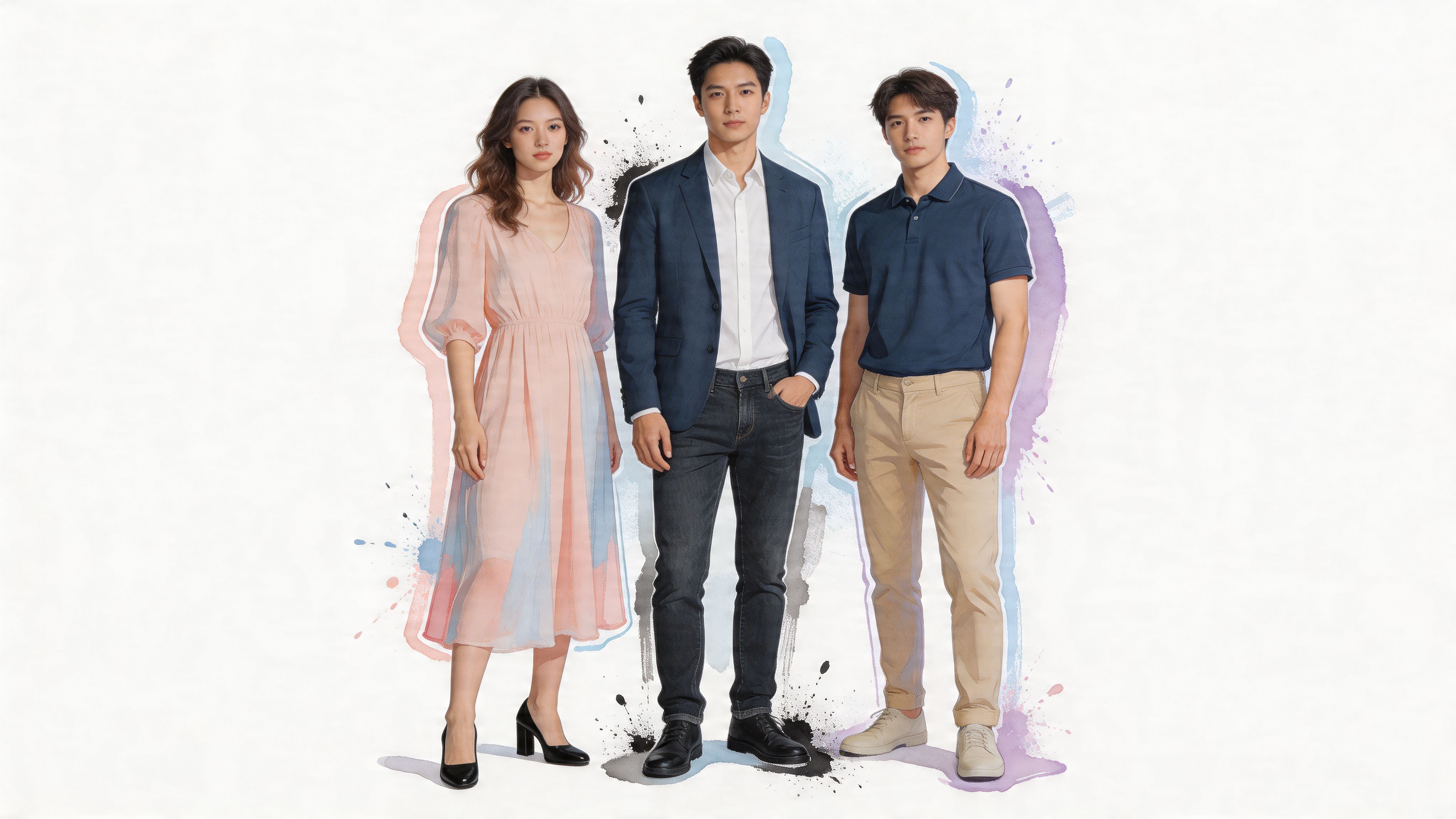
You open your phone and see the message: dinner at 8, dress code is casual dining. Then the spiral starts. Are jeans too casual, is a blazer too much, and why does a dress code made of two ordinary words feel so weirdly slippery?
That confusion is normal. Casual dining attire sits in the middle, and middle dress codes are always the trickiest because they ask for judgment, not just rules.
The good news is that this isn't a new problem. Around 1900, “restaurant wear” emerged in the United States as a distinct category from formal evening dress, with fashion columns spelling out what women should wear for dining out, an early sign that people had already started negotiating the space between formal and relaxed (restaurant wear history). The labels have changed, but the question is still the same: how polished is polished enough?
That Casual Dining Attire Text Just Arrived Now What
The struggle isn't due to a lack of clothes. It arises because casual dining attire sounds more precise than it is.
You might picture one restaurant where dark jeans and a knit top feel perfect, and another where the same outfit suddenly looks underdone next to candlelight, leather banquettes, and a host stand that feels a little too elegant. That tension is built into the dress code itself. It asks for ease, but not indifference.
The first question to ask
Before you pick an outfit, ask what kind of place you're going to.
- Neighborhood grill: clean jeans, a polished top, and neat shoes usually make sense.
- Date-night bistro: same comfort level, but with sharper styling like a structured layer or dressier shoes.
- Upscale casual restaurant: aim closer to refined than relaxed.
That one shift matters more than memorizing a giant list of allowed and forbidden items.
Practical rule: If your outfit looks ready for the couch, it's too casual. If it looks ready for a wedding, it's too formal.
A lot of dress code anxiety comes from trying to solve the whole outfit at once. Don't. Start with one anchor piece that already feels restaurant-appropriate, like dark jeans, a midi dress, chinos, or a collared shirt. Then build around it.
Why this dress code feels vague
Casual dining attire lives in the space between personal style and public setting. That's why it can feel inconsistent. A polished sneaker may work in one room and feel off in another. A knit dress may feel easy in one season and suddenly look more refined with boots and jewelry in another.
The goal isn't perfection. It's to look like you meant to dress for dinner.
What Casual Dining Attire Really Means
Casual dining attire is the middle setting on your style dial. It should feel comfortable enough to sit through dinner with ease, but finished enough to suit a restaurant that put thought into the lighting, service, and atmosphere.

A simple way to read it is this: keep the comfort of your everyday clothes, then improve the parts that look too off-duty. A stretched tee becomes a crisp knit top. Beat-up sneakers become clean leather or tidy casual shoes. Old faded denim becomes dark jeans or trousers with shape.
The goal is visual balance.
Read the outfit by its signals
Instead of asking whether one item is "allowed," look at the message the whole outfit sends. Clothes work like restaurant lighting. Small details change the mood fast.
| Style signal | More casual | More polished |
|---|---|---|
| Fabric | slub cotton, linen, canvas | smooth knits, leather, refined cotton |
| Shape | oversized, sloppy, gym-like | clean lines, intentional drape |
| Finish | ripped, wrinkled, worn out | neat, clean, put-together |
Fabric trips people up most often. Linen, canvas, and other textured materials usually read more relaxed. That does not mean you need to avoid them. It means they look best when the rest of the outfit adds some structure, like a sharper shoe, a clean hem, or a top with a structured fit.
Shape matters too. A boxy sweatshirt and puddled joggers belong to a different setting. A soft sweater with straight-leg pants can still feel relaxed, but it looks chosen. That difference is the heart of casual dining.
A reliable formula
One of the easiest outfit formulas is a neat top, well-fitting jeans or chinos, and shoes that look clean and intentional. For women, that might be a blouse with dark denim and loafers. For men, a polo or button-down with chinos and leather sneakers works well. If your style runs a touch dressier, a simple dress or a casual-elegant dinner outfit formula can help you land in the right zone without guessing.
Casual dining asks for effort you can see, not discomfort you can feel.
That is why the dress code often feels fuzzy in text but clear in person. You are not dressing for formality alone. You are matching the room.
What people often misread
The mistake is usually context, not taste.
Workout leggings styled like gym wear, flip-flops, heavily distressed denim, running shoes, and tops that read as sleepwear or loungewear tend to miss the mark because they belong to exercise, beach, or home settings. Casual dining leaves room for personality, color, and comfort. It still asks your outfit to look finished.
If you are unsure, do a quick visual check before you leave. Ask yourself whether each piece looks clean, intentional, and right for sitting across a table from other dressed-up diners. Better yet, preview the outfit with a virtual try-on tool so you can see the full look together before you walk out the door. That real-time check is often the fastest way to confirm whether your outfit feels polished enough for the restaurant.
Casual Dining vs Smart Casual vs Everyday Casual
Here, the labels tangle. The easiest fix is to compare them side by side, not as fashion buzzwords, but as levels of effort.
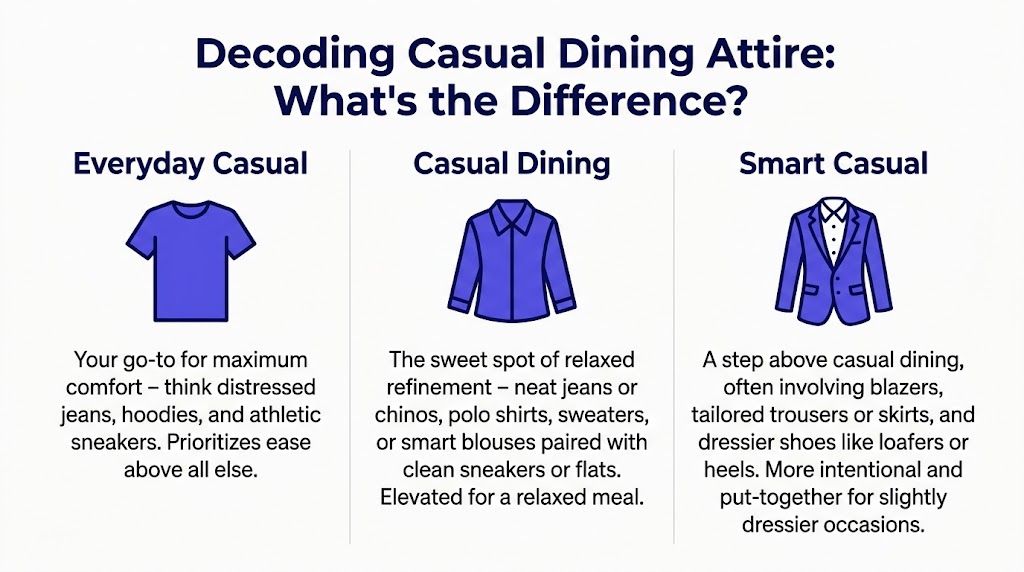
A fast comparison
| Dress code | What it feels like | Typical pieces | What it's trying to do |
|---|---|---|---|
| Everyday casual | easy, practical, off-duty | tees, hoodies, distressed denim, athletic sneakers | comfort first |
| Casual dining | relaxed but tidy | dark jeans, chinos, polos, sweaters, blouses, clean shoes | look presentable for a meal out |
| Smart casual | sharper, more intentional | blazers, tailored trousers, structured dresses, loafers | bridge comfort and sophistication |
Everyday casual is what you wear when the setting asks almost nothing of you. Errands, coffee runs, school pickup, casual walks. It isn't sloppy by default, but it doesn't need much polish.
Casual dining is the middle lane. You still get ease, but the pieces need to look chosen. A nice knit instead of a stretched-out tee. Dark denim instead of ripped light wash. Flats or loafers instead of gym shoes.
Where smart casual steps in
Smart casual moves one level higher. The lines are cleaner, the fabrics are usually more refined, and the outfit often includes one structured piece.
According to Godwin Charli's smart dress code explainer, smart casual favors fitted yet unstructured silhouettes, and celebrity stylists point to chinos or dark-wash denim for 90% versatility. The same guide also notes that pants should have a minimal break and that overly tight fits are a common mistake.
That helps explain the difference. Casual dining says, “look nice for dinner.” Smart casual says, “look sharp, but don't look formal.”
If you're dressing for a restaurant that sounds slightly more upscale than casual dining, this guide to casual elegant attire can help you judge when to lean more refined.
A quick visual walk-through helps too:
<iframe width="100%" style="aspect-ratio: 16 / 9;" src="https://www.youtube.com/embed/80O8Z0wU3GU" frameborder="0" allow="autoplay; encrypted-media" allowfullscreen></iframe>A simple upgrade path
If you want to move an outfit up one category, don't rebuild the whole thing. Just swap one or two pieces.
- From everyday casual to casual dining: replace the hoodie with a sweater or overshirt, then change shoes.
- From casual dining to smart casual: add a blazer, refined trousers, or a sleeker shoe.
- From smart casual back down: remove one structured piece so you don't feel overdressed.
The difference between these dress codes often comes down to the shoes, the fabric, and whether the outfit looks finished.
Your Go-To Outfit Ideas for Casual Dining
You are standing in front of your closet with 20 minutes to spare, and every option looks either too plain, too dressy, or too “I just came from errands.” This is the moment outfit formulas help. They give you a clear starting shape, so you can build a look that feels right for the restaurant without overthinking every piece.
A good casual dining outfit usually has the same visual balance. One piece looks refined, one piece keeps things relaxed, and the whole outfit looks finished enough for a nice meal out.
If you want an easy feminine look
Start with the simplest route. A midi dress often works because it creates a complete outfit in one step. Add ballet flats, low sandals, ankle boots, or a low heel based on the weather, and you are very close to done.
If dresses are not your first choice, use a high-low mix. Dark jeans with a soft blouse or knit top usually hit the casual dining sweet spot. A cardigan, cropped jacket, or simple leather jacket can pull the outfit together if the restaurant is chilly.
A few reliable combinations:
- Midi dress plus simple shoes: easy, polished, and low effort
- Dark denim plus a drapey or satin-feel top: great for dinner plans that feel a little special
- Straight-leg trousers plus a tucked knit: clean lines without drifting into office wear
Jewelry can help here too, especially if the clothing is simple. A bracelet, watch, or small necklace often adds just enough finish. If you want ideas on how to mix fashion and style with sport jewelry, keep the rest of the outfit pared back so the accessories feel intentional instead of busy.
If you want an easy masculine look
The goal is to look relaxed, not random. Chinos, dark jeans, knit polos, crewneck sweaters, and collared shirts all work because they sit in that middle zone between very casual and dressed up.
One easy test helps. Ask whether each piece looks restaurant-ready on its own. A clean knit polo usually does. A worn gym tee usually does not.
Reliable combinations:
- Neutral chinos and a button-down: classic and easy to repeat
- Dark jeans and a knit polo: neat without feeling stiff
- Crewneck sweater, dark denim, and clean sneakers or boots: simple, comfortable, and sharp enough for dinner
Rolling sleeves once can make a shirt feel more relaxed. Too many extra details, loud graphics, or heavily distressed fabrics can pull the outfit out of the casual dining zone.
If you don't know where to start
Use one of these restaurant-safe templates and treat it like a base recipe.
-
The neat denim formula
Dark jeans, a refined top, and proper shoes. This works because the denim keeps things approachable while the top and shoes do the polishing. -
The refined silhouette formula
Chinos or trousers, a tucked knit or blouse, and a light layer. This is helpful when you want a more considered look without reading as formal. -
The dress-and-layer formula
A casual dress with a cardigan, jacket, or trench. The extra layer adds shape and makes the outfit feel complete.
If your dinner plans are more date-like than purely casual, these casual date night outfit ideas can help you choose a version that feels a little more personal.
Seasonal tweaks that change the whole mood
Warm weather calls for lighter fabrics, but the outfit still needs structure. Linen blends, cotton poplin, airy knits, and neat sandals keep you comfortable without sliding into beachwear.
Cold weather is easier than many people expect. Layers do the styling for you. A fine knit under a jacket, dark denim with boots, or a dress with a long coat can make a basic outfit look thought-through in seconds.
If the outfit feels flat, add a layer before you add something flashy.
Shopping with the full outfit in mind
Casual dining gets easier when you stop judging pieces one by one and start judging them as a group. A top can look beautiful on a product page and still feel off once you picture it with your own jeans, shoes, and jacket.
That is why a visual check matters. TryThisFit lets you preview clothing on your photo, which is especially useful when you are deciding whether a piece fits the exact tone of a dinner outfit. Flat-lay product photos tend to work best, and the Chrome extension lets you right-click product images on sites like Zara, H&M, Amazon, Shein, Vinted, or Depop to test them quickly. If you are comparing pieces from Amazon fashion, that preview can save you from buying something that looks good alone but misses the mark with the rest of your outfit.
That practical step is what makes this advice easier to use in real life. You do not have to guess whether your outfit feels right. You can see it before you leave the house.
Perfecting Your Look with Shoes and Accessories
A casual dining outfit usually becomes convincing at the very end. Shoes and accessories tell people whether your outfit was thrown on or styled with purpose.
Shoes that help instead of hurt
The wrong shoes can drag a good outfit down fast. A polished top with athletic running shoes sends mixed signals. So does a nice pair of trousers with rubber flip-flops.
Better choices include:
- Clean leather or suede sneakers: modern and relaxed
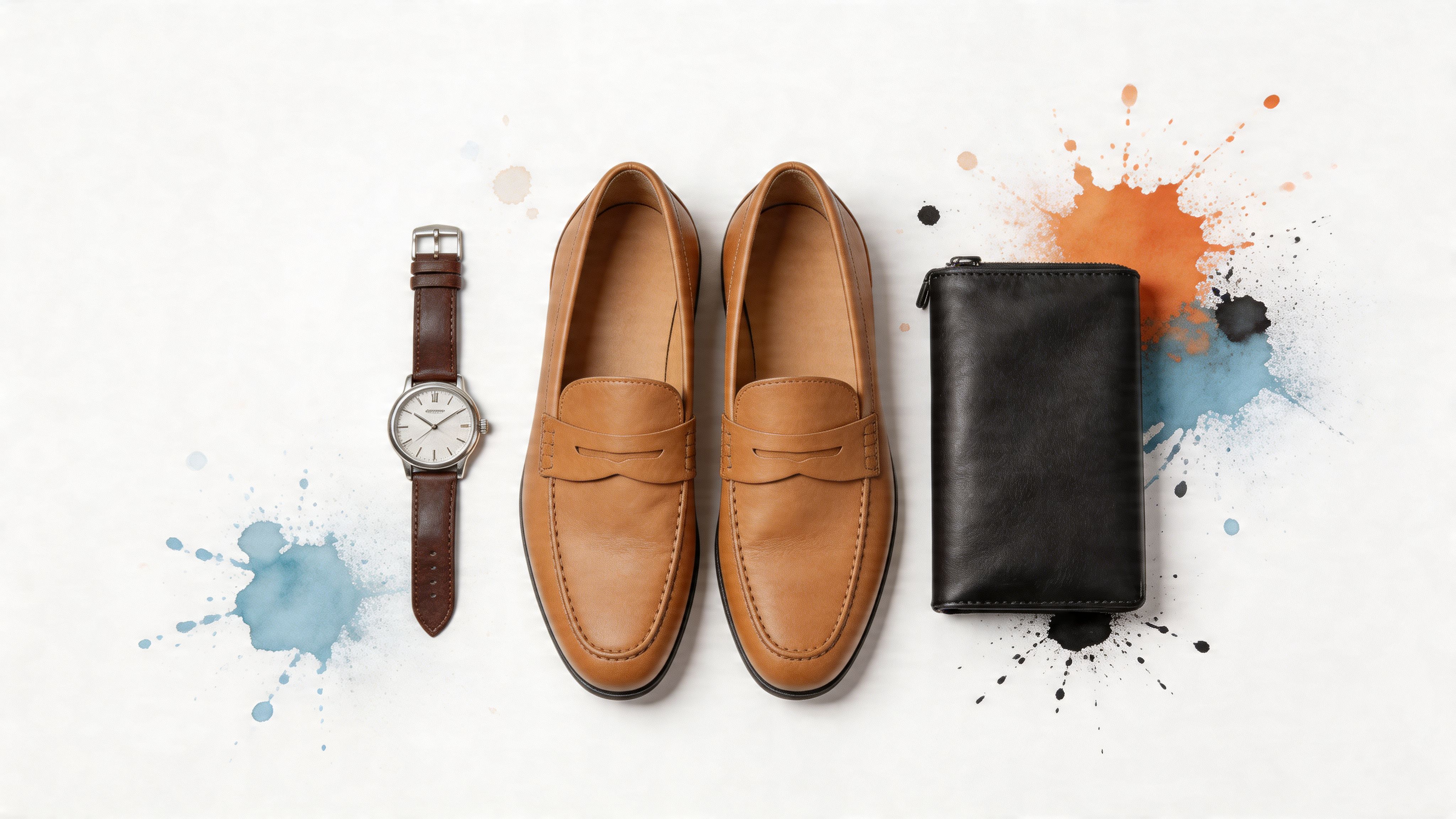
- Loafers or driving shoes: easy polish with almost no effort
- Ballet flats or simple sandals: soft and neat for warmer weather
- Ankle boots or Chelsea boots: ideal for evenings and cooler seasons
If you're shopping for footwear and want to preview the style before committing, the AR shoe try-on tool is a useful shortcut.
Accessories that finish the outfit
Keep accessories selective. Casual dining attire rarely needs a dramatic statement piece. It needs one or two details that make the outfit feel finished.
Try these:
- A classic watch: especially helpful when the outfit is simple
- Small jewelry: hoops, studs, a chain, or a cuff
- A better bag: crossbody, clutch, or structured tote instead of a bulky backpack
- A real belt: subtle, but it sharpens denim and trousers instantly
If you like sportier accessories but still want a polished result, this guide on how to mix fashion and style with sport jewelry has useful ideas for keeping that balance clean instead of chaotic.
A good accessory doesn't shout. It confirms the outfit.
Visualize Your Perfect Outfit Before You Go
Clothes can sound right in theory and still feel wrong once they're together. That's why so many people second-guess casual dining attire right before leaving the house.
The fix is visual. You need to see how the outfit looks as a whole, not just guess from item descriptions or product photos.
Why previewing the look matters
This dress code lives in subtle details. Maybe the jeans are fine, but the shoes make the outfit too casual. Maybe the blouse is pretty, but it reads dressier than the restaurant. Maybe the jacket solves everything.
A visual preview helps you catch that before the reservation, before checkout, and before the return window starts to matter.
What makes the preview more accurate
Flat-lay clothing photos usually work best because the shape of the garment is clear. Clean product images also make it easier to compare one outfit direction against another.
That matters most when you're shopping on mixed marketplaces or secondhand sites where styling can vary wildly from listing to listing. A top from one seller and shoes from another can be hard to imagine together until you preview the appearance.
When this is especially useful
A quick style preview helps most when:
- You're ordering from multiple stores: Zara, H&M, Amazon, Shein, and resale platforms all present clothes differently
- You're deciding between dressier and more relaxed options: especially for first dates, birthdays, or work dinners
- You're shopping secondhand: listings on Vinted and Depop don't give you a fitting room, so visualizing the style becomes more important
- You're rewearing basics: seeing new combinations helps you get more from clothes you already own
The practical win is confidence. You leave with fewer doubts because you've already seen the overall effect.
Your Casual Dining Attire Questions Answered
A few questions come up every time, and they're worth answering directly.
Can I wear jeans
Yes, usually. The safest choice is dark-wash or black denim with a clean finish. Skip rips, heavy fading, and anything that looks stretched out or very baggy.
Are sneakers okay
Sometimes, yes. Clean fashion sneakers can work. Muddy running shoes, gym trainers, and anything that looks built for workouts usually don't.
Do I need a blazer
Not usually. A blazer can work, but casual dining attire doesn't require it. If the restaurant sounds a little more refined, a lightweight jacket, polished cardigan, or structured overshirt often lands more naturally.
Are dress codes getting stricter
In some places, yes. The Robin Report notes a post-pandemic shift toward stricter “casual elegance” enforcement in 2025 to 2026, with 65% of diners preferring no dress code while about 30% of upscale casual restaurants have reinstated codes since 2024, often banning athletic wear and overly revealing garments (dress code enforcement and diner response). That doesn't mean every restaurant is suddenly formal. It does mean it's smart to aim for the polished side of casual.
What's the safest outfit when I'm unsure
Choose one of these:
- Dark jeans, refined top, neat shoes
- Chinos, collared shirt or knit, loafers or clean sneakers
- Midi dress, simple layer, polished flats or boots
Those combinations respect the setting without making you feel overdressed.
If you're still deciding between two looks, try a quick visual preview at TryThisFit. You can see how clothing looks on your photo, compare styles in seconds, and keep your saved outfit ideas in your history gallery.
Try Virtual Try-On Now
See how clothes look on you before you buy - works with any online store
Get Started Free