Ensemble Building Guide: Style Cohesive Outfits Fast
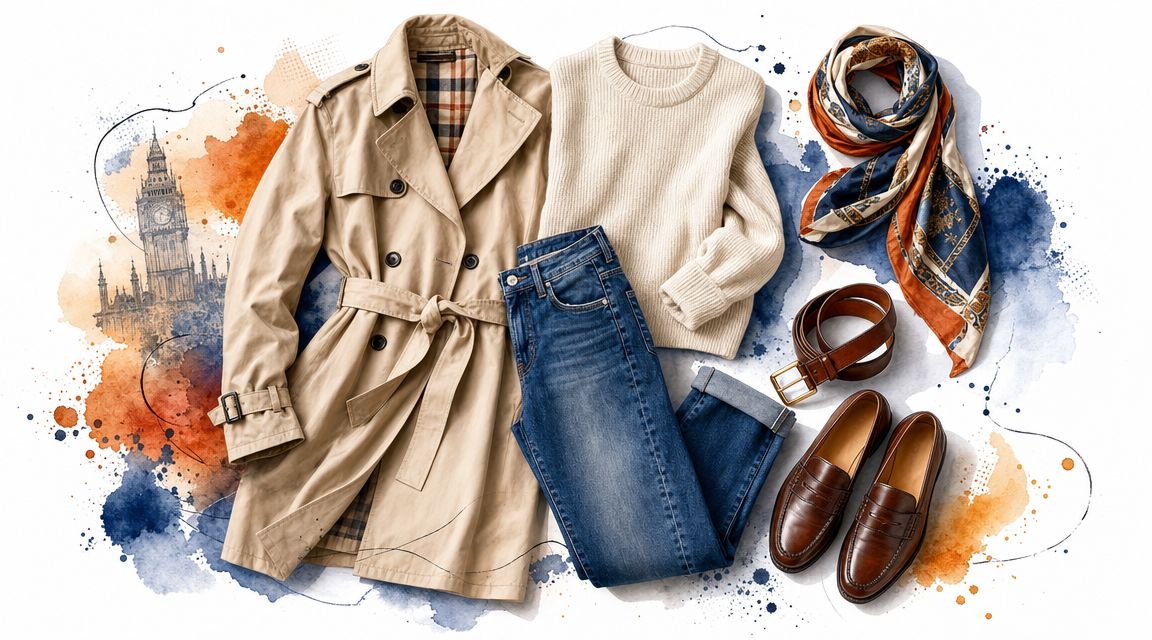
You open your closet, spot a blazer you love, jeans that always feel right, a silky top you swore would “go with everything,” and somehow the outfit still lands with a thud. Each piece is cute on its own. Together, they look like strangers waiting for different buses.
That frustrating gap is where ensemble building lives.
In fashion, ensemble building is the skill of combining separate items into one clear visual story. It's less about owning more and more about knowing how shape, color, fabric, and balance click into place. Once you see that click, getting dressed feels less like trial and error and more like styling with intention.
From Closet Chaos to Curated Style
A lot of people think “nothing to wear” means “I need new clothes.” Usually, it means your wardrobe has pieces, but not enough connection between them. A leather jacket can be brilliant. So can a floral skirt. The question is whether they're speaking the same language.
I like to think of ensemble building as the outfit version of arranging flowers. One stem can be beautiful, but a bouquet needs rhythm, contrast, and shape. Clothes work the same way. A look feels polished when the pieces relate to each other instead of competing for attention.
That's why getting organized matters before you even start styling. If your closet is jammed, hidden, or chaotic, it's hard to notice patterns in what you own. A practical first step is to organize your wardrobe space so you can see your colors, layers, and repeat silhouettes.
What ensemble building really means
The word “ensemble” means a group working together. In modeling, the U.S. Army Corps of Engineers describes an ensemble model as “a collection of multiple, diverse models” and notes that it can include “2 to many” members, with the process centered on choosing the members and combining their outputs into one result in a foundational explanation of ensemble modeling. Fashion isn't math, of course, but the logic is strangely useful. A great outfit also comes from selecting pieces carefully, then combining them so the final look feels stronger than any single item.
A good outfit isn't a pile of favorites. It's a set of choices that support one another.
If you want an easy starting point, “shop” what you already have before buying anything new. Laying out pieces side by side often reveals combinations you'd never spot on hangers. I use a visual approach like shop your closet thinking for exactly that reason. It turns random items into outfit ingredients.
The Four Pillars of a Great Outfit
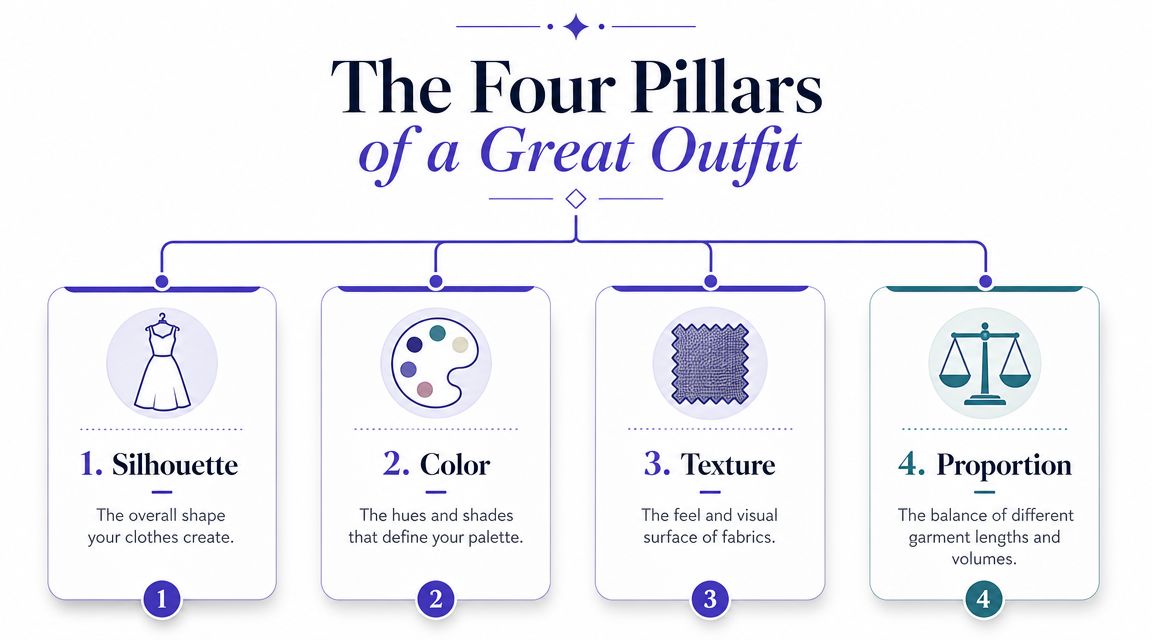
Some outfits look right instantly, even before you can explain why. That feeling usually comes from four simple style forces working together: silhouette, color, texture, and proportion.
They aren't stiff fashion rules. They're more like the handles on the tool kit. Once you know what each one does, you can build outfits with way less guessing.
Start with shape
Silhouette is the overall outline your clothes create. Think slouchy and relaxed, long and lean, sharp and structured, soft and flowing. Even before someone notices your bag or shoes, they notice the shape of the outfit.
If an outfit feels “off,” silhouette is often the first place to look. A fitted top with wide-leg trousers creates a different mood from an oversized sweatshirt with the same trousers. Neither is wrong. They just say different things.
Then look at mood
Color sets the emotional tone. Cream, navy, and camel feel different from hot pink, silver, and black. You don't need a huge palette. You need colors that either harmonize or clash on purpose.
People often get stuck, assuming matching means copying the exact same shade everywhere. It doesn't. A soft blue shirt can work with dark denim, white sneakers, and a tan trench because the palette still feels connected.
Practical rule: If the outfit feels noisy, simplify the color story before changing the clothes themselves.
Texture makes simple outfits look expensive
A white tee and jeans can look flat or fantastic depending on fabric contrast. That's texture doing the heavy lifting.
Try combinations like these:
- Chunky with smooth: A cable-knit sweater next to satin or polished leather
- Crisp with soft: Structured cotton paired with brushed wool or jersey
- Matte with shine: Washed denim with glossy boots or a sleek bag
Texture adds dimension without demanding loud prints or complicated styling tricks.
Proportion is the hidden stylist
Proportion is about balance between lengths and volumes. Cropped jacket with high-rise trousers. Oversized shirt with slim skirt. Long coat over a shorter hemline. This is where an outfit often goes from decent to delicious.
A common confusion is mixing up silhouette and proportion. Silhouette is the big-picture shape. Proportion is how the parts relate within that shape.
Here's the cheat sheet I wish everyone had on day one.
| The Four Pillars of Ensemble Building | ||
|---|---|---|
| Pillar | What It Is | Quick Tip |
| Silhouette | The overall shape your outfit creates | Start by choosing whether you want fitted, relaxed, or dramatic |
| Color | The hues that set the outfit's mood | Keep one color as the anchor and let the others support it |
| Texture | The visual surface and feel of fabrics | Pair contrasting materials so the outfit has depth |
| Proportion | The balance of lengths and volumes | If one piece is oversized, let another piece create structure |
Fashion gets much easier when you stop asking “Is this trendy?” and start asking “Do these four pillars work together?” If you want more outfit-pairing ideas, this guide on how to match clothes is a helpful next step.
Visualize Your Vision with TryThisFit
Understanding style on paper is useful. Seeing it is where the lightbulb finally flips on.
That's why visual outfit testing matters. Research on ensemble processing in visual perception found that people can process ensemble properties extremely quickly, and a peer-reviewed study reported that ensemble P3b components appeared earlier than individual P3b components using both 50% area latency and 50% onset latency, supporting the idea that the whole pattern can become available before every detail is fully processed in this summary of ensemble perception research. In plain language, your brain often catches the overall look fast.
Why visual previews help so much
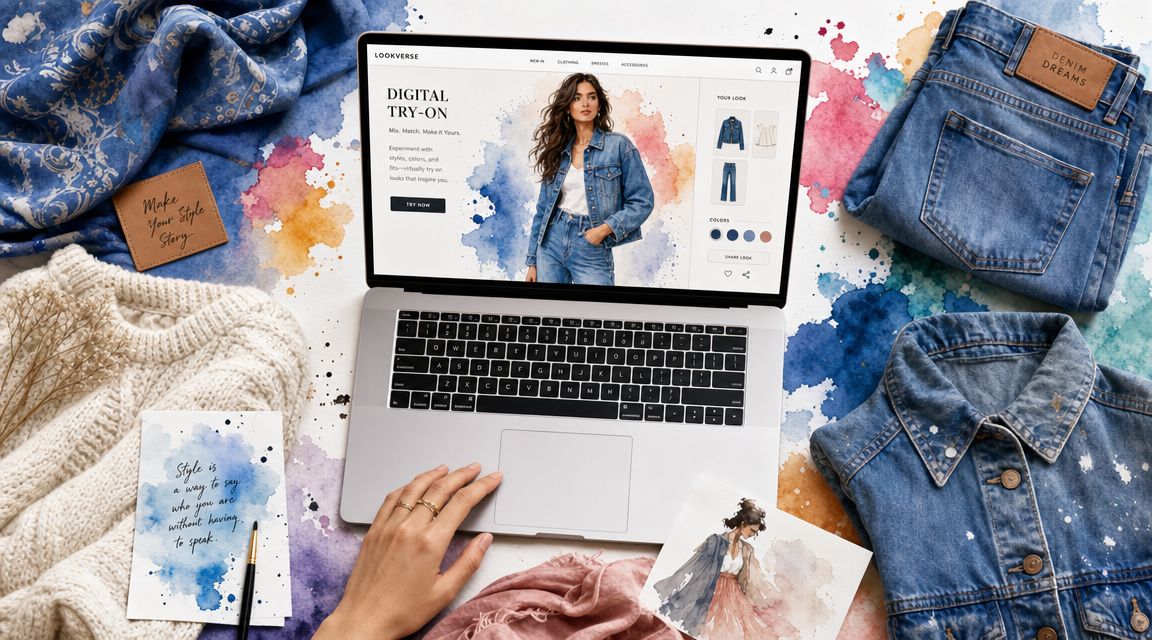
This is the missing piece for a lot of shoppers. Reading “mix textures” is abstract. Seeing a ribbed knit with satin trousers and loafers is concrete. You can judge the vibe in seconds.
For online shopping, that's especially useful because store photos rarely show how an item will look in the context of your own style. A product page sells the item. It doesn't build the outfit for you.
- When shopping your own wardrobe: Flat-lay clothing photos work best for the most accurate style preview.
- When shopping online: A browser-based shortcut is faster than downloading images and juggling tabs.
- When comparing options: Looking at appearance side by side helps you spot clashing shapes, colors, or fabrics early.
One practical tool for faster styling
One option is TryThisFit, which lets you preview how clothing looks and visualize style combinations without creating an account. It also has a free Chrome extension that installs in a couple of seconds, so if you're browsing Zara, H&M, Shein, Vinted, Depop, or even Amazon fashion picks, you can right-click a product image and get an instant preview on the spot. If you want inspiration first, the gallery of real try-on examples makes the idea easier to grasp.
That kind of preview won't tell you whether something will fit. It helps you see how it looks, which is often the exact answer you need when deciding between “interesting” and “what feels like you.”
When an outfit is hard to picture in your head, put it in front of your eyes.
That visual step also connects to a broader shopping benefit. If you're curious how brands frame the value of visual previews in ecommerce, this piece on how retailers reduce returns with VTO solutions is a useful companion read.
Your Go-To Ensemble Building Workflows
The easiest way to make ensemble building feel natural is to use it in real shopping moments. Not theory. Actual “I need outfits that work” situations.
Workflow one for a capsule wardrobe
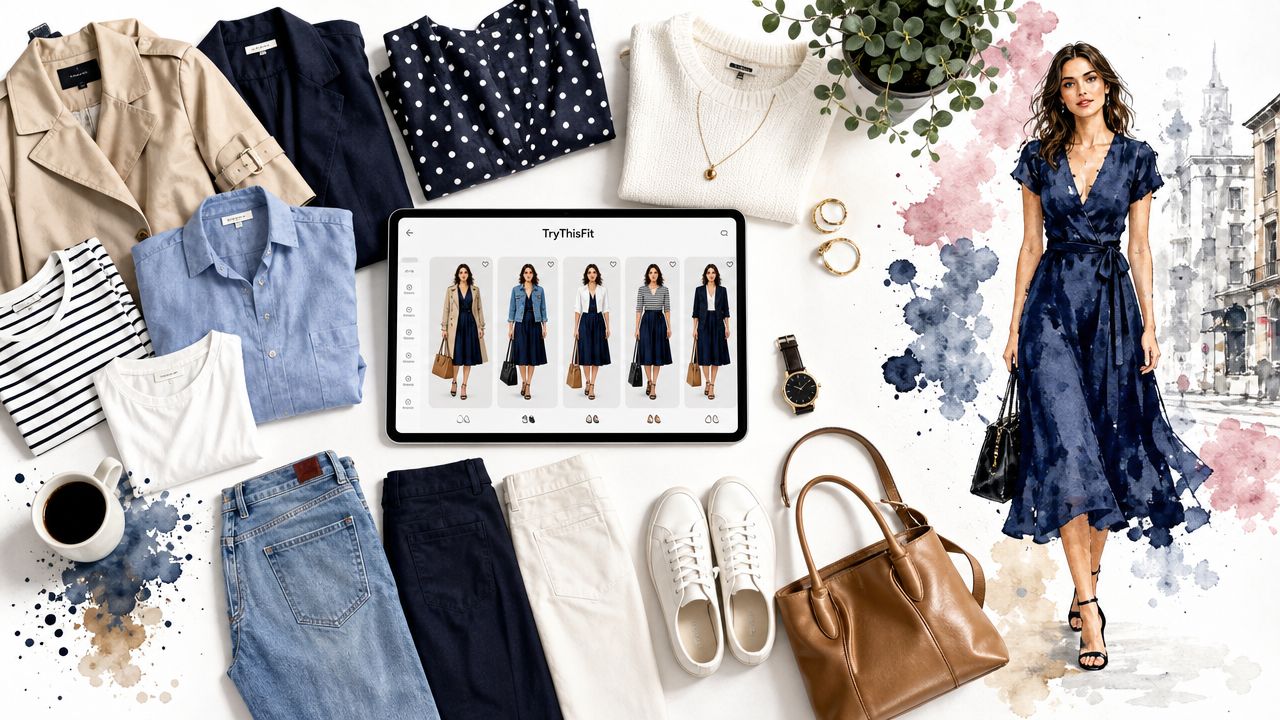
A capsule wardrobe sounds elegant until you realize every piece has to play nicely with the others. One rogue blouse in a random print can throw off the whole edit.
Here's a simple way to build one visually:
-
Choose an anchor layer
Start with a jacket, cardigan, or coat that matches the mood you want most days. -
Add repeatable basics
Pull tops and bottoms that can rotate around that anchor without fighting it. -
Test the combinations visually
Check whether each top works with multiple bottoms, and whether shoes change the mood in a useful way. -
Spot the gap
If outfits keep dying at the same point, you probably don't need more clothes. You need the missing connector, like a belt, boot, knit, or bag.
The clever part is that you stop buying “good pieces” and start buying pieces that belong.
Workflow two for occasion dressing
Special events create a different kind of panic. You're not just choosing clothes. You're building a full impression.
A wedding guest outfit, a themed party look, or a Halloween costume all benefit from seeing the whole ensemble together before you commit. That's especially true when you're shopping across multiple stores or secondhand listings where styling photos vary wildly.
The example below captures that idea nicely.
For costumes, ensemble building gets fun fast. You might start with a vampire outfit, then test whether a longer cape, darker boots, or dramatic jewelry makes the look more cinematic or more playful.
Some of the most successful outfit decisions happen after you compare versions, not after you find one “perfect” item.
That compare-and-edit mindset mirrors a useful lesson from ensemble systems outside fashion. In medical machine learning, researchers describe strong ensemble methods as a two-stage pipeline. First, filter out weaker models, then fuse the stronger ones. They also note that combining low-performing members indiscriminately can hurt the final result, while feature diversity can improve outcomes in this review of ensemble design. In outfit terms, not every nice item deserves a place in the final look. Edit first. Combine second.
Common Styling Mistakes and How to Fix Them
Style mistakes usually aren't disasters. They're feedback.
The most common issue I see is when every piece tries to be the star. Voluminous sweater, wide trousers, chunky shoes, giant tote. Each item is fashionable on its own, but together the outfit loses definition.
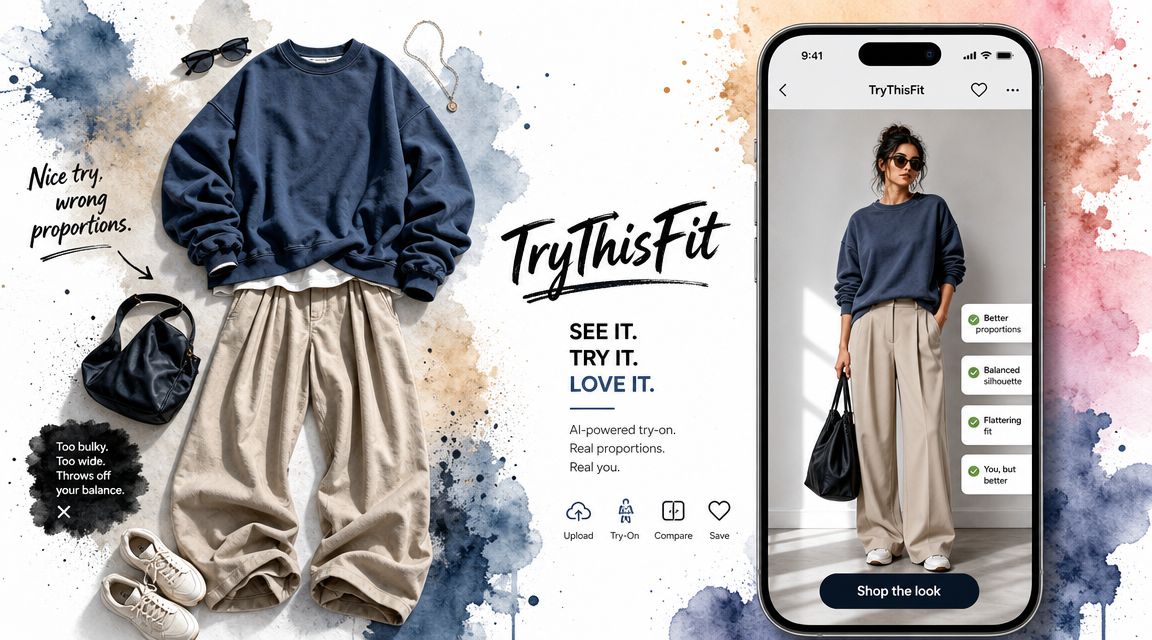
Mistake one: ignoring balance
If the outfit feels heavy top to bottom, adjust one element first. Keep the roomy knit and switch to a straighter pant. Keep the wide-leg trouser and choose a neater top. Small changes create cleaner proportion.
A trench coat is a great example of a balancing piece because it adds structure without making everything feel stiff.

Mistake two: mixing without a plan
Pattern mixing and color contrast can look editorial. They can also look accidental. The difference is whether one idea ties the pieces together.
Try this quick check:
- Choose one leader: Let one print or bold color dominate
- Repeat a note: Echo one shade elsewhere in the outfit
- Calm one element: Add a neutral shoe, bag, or layer to steady the look
Mistake three: adding too many “maybes”
This one is sneaky. You sort of like the skirt. The boots are maybe working. The jacket is interesting. By the time you finish, the whole outfit feels uncertain.
That's why governed decision-making matters in styling as much as it does in complex projects. Project-management writing offers a strong analogy here: organizations with mature practices are reported to be 2.5 times more likely to succeed, while about 65% of projects fail to meet time, budget, or quality targets in this project management overview. The fashion version is simple. Define the goal of the outfit, give each piece a role, and remove anything that adds noise instead of clarity.
A cohesive outfit usually gets better through subtraction.
Your Style Journey Starts Now
Ensemble building isn't about becoming someone else. It's about learning how your favorite shapes, colors, fabrics, and moods work together so your outfits finally feel intentional.
That's the part people often miss. Personal style doesn't appear out of nowhere like magic. It gets built, tested, edited, and noticed over time. If you enjoy playful reflection on that process, this whimsical guide to personal style is a lovely companion read.
A lot of traditional ensemble-building advice is still very activity-based. It tells you what exercise to do, but not always what measurable change you should expect. The same gap shows up in other ensemble-building spaces too. Existing guidance often explains the activity more than the outcome, as noted in this discussion of limited evidence around ensemble-building exercises and what they actually improve. In fashion, the practical answer is to look for visible progress. Fewer impulse buys. More wearable combinations. Less second-guessing.
Your saved outfit ideas can become a personal lookbook over time, especially if you revisit what you liked enough to keep. That's why a visual record helps. Your saved try-on history shows patterns you might miss in the moment.
The fun part is that style grows through experiments. Try the odd color combo. Preview the vintage jacket with the modern jeans. See how it looks, keep what clicks, and let the rest go.
If you want a fast way to preview outfit ideas, compare pieces from different stores, and build looks from your own wardrobe, try TryThisFit. Use flat-lay photos for the clearest results, or install the free Chrome extension and right-click clothing images to see how the style looks in seconds.
Try Virtual Try-On Now
See how clothes look on you before you buy - works with any online store
Get Started Free