7 Storage and Organization Hacks for Clothing and Wardrobes
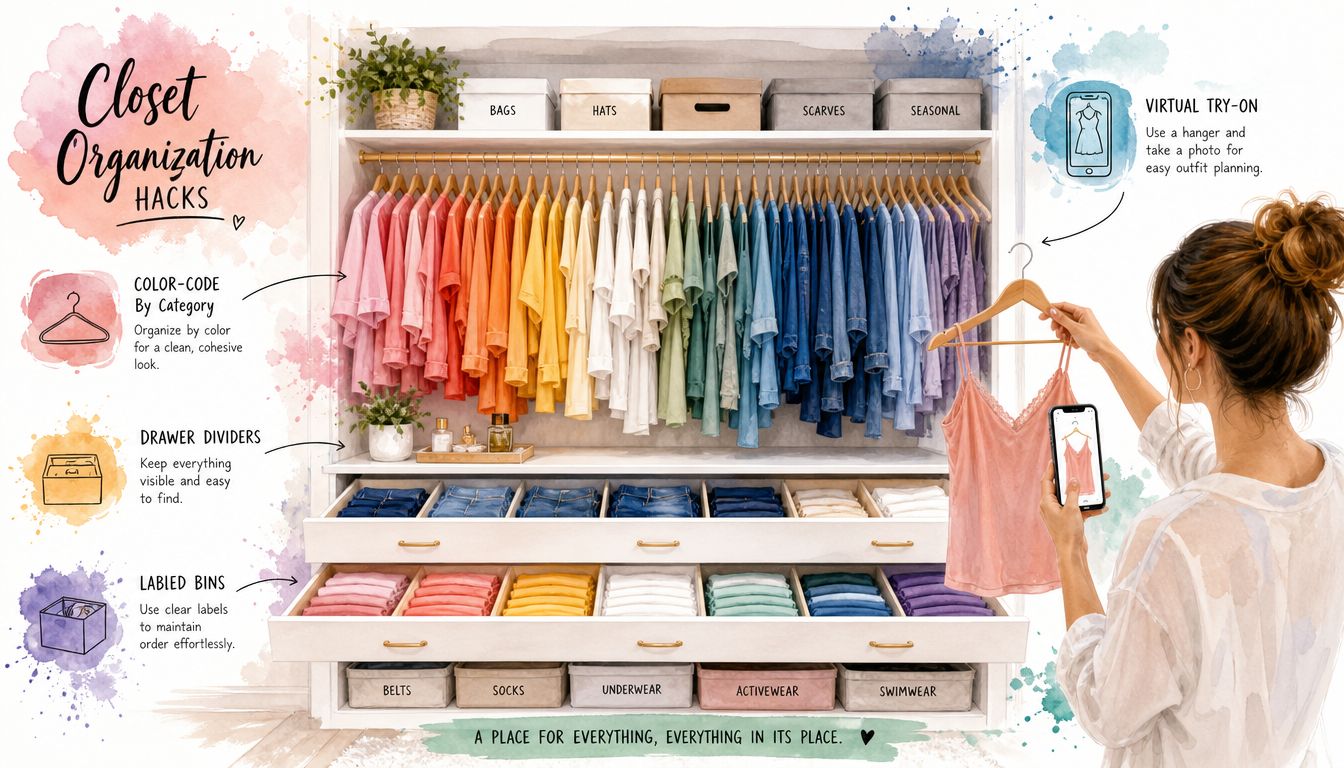
You open the closet to get dressed, and the problem is obvious in five seconds. Sweaters are crammed onto the top shelf, jeans disappear behind bins, the return pile is still hanging front and center, and the outfits you like stay out of sight.
Fix the system, and getting dressed gets easier. Analysts project the home storage and organization market at USD 20.78 billion in 2024 and USD 30.34 billion by 2033, which tracks with how people live. A well-organized wardrobe saves time, reduces duplicate buying, and makes small closets work harder.
This guide takes a practical approach. You'll see closet systems worth buying, smart secondhand-shopping habits that keep clutter down, and simple setup ideas you can copy right away. Before you add another shelf or buy another bin, map your wardrobe with a closet layout tool that lets you preview outfits as you organize. If you thrift or shop resale, use TryThisFit to check how a piece fits your style before it earns hanger space.
For layout inspiration, compare your plan with Display Guru on designing custom closets. Then build storage around what you wear every week, not the fantasy version of your closet.

1. The Container Store
Open your closet after a rushed laundry day and you can spot the problem fast. Hanging space is doing too much, folded items slump into messy stacks, and shoes end up wherever they fit. If you want a closet that feels planned instead of patched together, start with The Container Store.
Elfa is the right pick for a real upgrade. It uses wall-mounted rails and adjustable parts, so you can build around the clothes you wear, then change the setup later without starting over. That makes it especially useful for wardrobes that shift with the season, resale finds, or a growing workwear collection.
Best for serious closet upgrades
Elfa shines in reach-in closets that have decent square footage but terrible structure. The system gives every category a home, and that alone fixes a lot of daily friction. Hanging pieces stay visible. Folded items stop toppling. Shoes stop stealing floor space.
Use it with a clear setup plan:
- Create zones first: Assign one area for daily hanging pieces, one for folded knits and denim, and one for shoes or bags.
- Add upgrades second: Bring in drawers, door racks, or shelf dividers only after the core zones are working.
- Leave room for rotation: Keep a little open space for thrifted finds and resale pickups so new items do not derail the whole system.
Practical rule: Store your best, most-worn outfits at eye level. Lower shelves and upper reaches can handle backups, off-season pieces, and occasionwear.
Before you buy accessories, map your categories in a closet organizing app for planning wardrobe zones. That step helps you decide what deserves hanging space, what should live in drawers, and what should leave the closet entirely. If you shop secondhand often, preview outfits as you sort so your storage plan reflects your actual style instead of random purchases. For layout ideas that feel more custom-built, compare your setup with Display Guru on designing custom closets.
2. IKEA
You open the closet, and the problem is obvious. There is no real system. Just a rail, one shelf, and a pile of soft storage that gave up weeks ago. IKEA fixes that faster than anything else in this price range.
IKEA is the value pick here because it covers the full job. You can build the wardrobe shell, add drawer interiors, then finish the setup with affordable organizers that keep small items from spreading everywhere. PAX does the heavy lifting. KOMPLEMENT, SKUBB, and KUGGIS turn that structure into a closet you can keep under control.
Best for budget-friendly modular wardrobes
Choose PAX if your room does not have a useful closet at all, or if your existing one wastes vertical space and hides half your clothes. It gives you a clean frame to work with, and the adjustable interiors let you assign real categories instead of stacking everything into mixed piles.
Build it in three passes:
- Install PAX first: Set up your main zones for long hanging, short hanging, drawers, and shelves.
- Use KOMPLEMENT where friction shows up: Add trays, pull-out shelves, and drawer inserts for accessories, denim, and smaller folded items.
- Finish with SKUBB and KUGGIS: Use SKUBB for soft categories like underwear, workout clothes, and under-bed overflow. Use KUGGIS for off-season pieces, special-occasion items, and anything you want dust-free.
This system works best when you plan around how you dress, not around what the closet looks like empty. Before you buy inserts, sort your wardrobe by use frequency, then map the layout in a closet organizing app for planning wardrobe categories. If you thrift often or rotate styles a lot, use TryThisFit's visual try-on tool while you organize so you can see which pieces still fit your style and which ones are only taking up shelf space.
A key advantage is reset speed. Life gets messy. IKEA storage is easy to reassign, easy to replace, and easy to standardize, which means your system survives laundry backlog, seasonal swaps, and secondhand finds without turning into another weekend reorganization project.
3. ClosetMaid
Open your closet and you can spot the problem fast. The width is usable, but the inside does almost nothing. One rod, one shelf, dead space above, and folded clothes sliding into each other. ClosetMaid is the fix I'd pick when you want a built-out closet without paying for a custom installer.
SuiteSymphony works well for standard reach-ins because the tower layout adds shelves and drawers right away. SpaceCreations is the better pick if you want a more finished, furniture-style look.
The best use case
Choose ClosetMaid for closets with decent width and a bad internal setup. It handles that frustrating middle zone between cheap add-on shelves and a full renovation. You get structure fast, and you can keep adjusting it as your wardrobe changes.
Set it up in this order:
- Start with a tower: Give folded clothes, denim, and sweaters a real home instead of piling them under hanging items.
- Add a second hanging zone: Split short hanging from long hanging so dresses and coats stop stealing space from shirts and pants.
- Finish with drawers or lower shelves: Use them for accessories, workout gear, and categories you grab every day.
A significant advantage is flexibility after install. ClosetMaid is easy to expand, and retail availability makes last-minute fixes much less annoying. If you thrift often, that matters. Your closet needs room for new finds, quick edits, and categories that grow unexpectedly.
I also recommend creating a temporary review zone for recent purchases, secondhand experiments, and pieces you are unsure about. Keep that area separate from your permanent layout. Use TryThisFit's visual try-on tool while you sort so you can preview unfamiliar silhouettes, compare styling options, and decide what deserves shelf space.
Keep daily clothes at eye level. Move occasionwear higher up. Give uncertain items one contained zone until you wear them, return them, or donate them. That rule keeps your closet useful instead of crowded.
4. Rubbermaid
You open the closet for one sweater and a tote of ski gear slides forward. That is a storage failure, not a space problem. Rubbermaid fixes it by pulling bulky, occasional items out of your daily wardrobe and into containers that can handle basements, garages, attics, and moves. If your closet gets jammed every season, Rubbermaid is the practical pick.
Roughneck works well for standard household rotation. BRUTE is the better choice for heavier loads, frequent stacking, and rough storage areas.
Best for off-season clothing and costumes
Use these bins for categories that waste prime closet space: winter coats in July, formalwear you wear twice a year, Halloween costumes, ski layers, and sentimental pieces you want to keep but do not need in reach.
Sort Rubbermaid bins by when you will retrieve the contents. That system works better than organizing by clothing type alone, because it cuts down rummaging and keeps one-event items from mixing with next-month staples.
- Fast-access bin: Current-season overflow, travel layers, and event outfits.
- Deep-storage bin: Off-season clothing you will not touch for months.
- Costume bin: Halloween looks, themed party pieces, and statement items.
Label the lid and one side. Stack by season. Keep the current bin closest to the door.
Before you commit costume pieces or bold secondhand finds to storage, check whether they still earn the space. TryThisFit's visual try-on tool helps you preview unusual silhouettes and styling ideas while you sort, which is especially useful when you are organizing thrifted pieces that looked promising in the store but feel less clear at home. For accessories that tend to pile up outside the closet, pair your bin system with a men's dresser top organizer for watches, wallets, and daily carry.
For Amazon costume or clothing finds, use the TryThisFit Amazon link so you can compare options faster before bins start filling up.
5. iDesign
Open your top drawer and the problem shows up fast. Socks are mixed with receipts, sunglasses are jammed behind chargers, and the belt you wear is missing again. iDesign fixes that kind of clutter better than almost any brand here because its clear, modular pieces force small categories to stay visible.
iDesign is the right pick when your closet rods are fine but your drawers, shelves, and dresser top keep sabotaging you. The clear bins, inserts, stackables, and The Home Edit collection are especially useful for underwear, jewelry, beauty extras, and everyday accessories. You spend less time digging and more time getting dressed.
Where iDesign works best
Start small and be strict. Give each drawer one job. Use one insert for socks, one for belts, one for sunglasses, and one for grooming extras. If an item does not fit its zone, remove something or move it to deeper storage. That rule keeps iDesign from turning into just prettier clutter.
For daily-carry items, pair drawer bins with a men's dresser top organizer for watches, wallets, and pocket essentials. That combination handles the stuff that usually lands on nightstands, counters, and chair backs.
- Best for small categories: Clear bins stop accessories from disappearing into mixed piles.
- Best for drawers: Modular inserts create fixed spaces that are easy to maintain.
- Best for shelves and vanities: Stackables and turntables keep frequently used items visible.
This brand also fits the digital side of organizing. As noted earlier, visibility usually determines what gets used. The same rule applies when you sort secondhand accessories or test a new style direction. Preview outfits in TryThisFit while you edit your wardrobe, then assign keeper pieces to a clear bin, tray, or insert right away. That gives you a closet system and a shopping filter at the same time.
6. Open Spaces
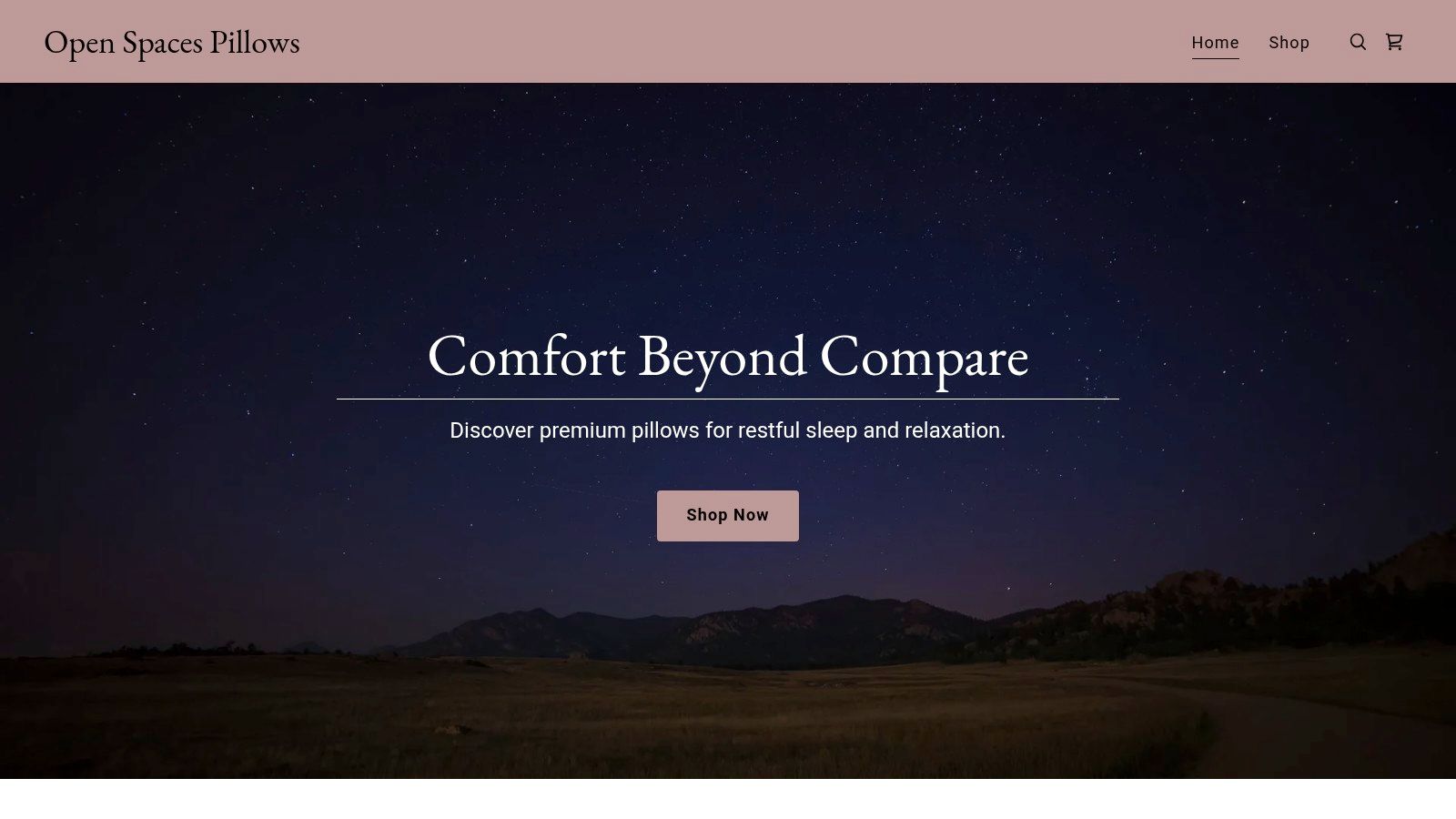
Your closet is full, the chair is covered, and now the overflow is sitting out in the room. Open Spaces is the brand to use when storage has to stay visible and still look intentional. If your wardrobe extends into a bedroom, studio, or hallway, Open Spaces gives you bins and baskets that read as part of the room, not leftover utility gear.
The steel and wire designs work especially well for edited overflow. Use them for pieces you reach for often and want easy access to, not for random extras you forgot you owned.
Best for visible storage
Be selective here. Open Spaces looks best when each basket has a tight category and some breathing room. Good candidates are handbags, scarves, extra denim, seasonal layers, or under-bed storage for off-duty items you still rotate back in.
This is also a smart setup for secondhand shoppers. If you are sorting recent resale finds, do not give every purchase a prime visible spot on day one. Preview the outfit first in TryThisFit while you organize, then assign shelf or basket space only to the pieces that earn repeat wear. That simple step keeps visible storage from turning into a display of expensive maybe-items.
One more rule. Match the container to the friction level. Open baskets work for grab-and-go accessories. Lidded under-bed cases work for slower categories like winter knits or backup denim. If you improve the look of storage but make it harder to use, the pile just moves to another corner.
7. Yamazaki Home
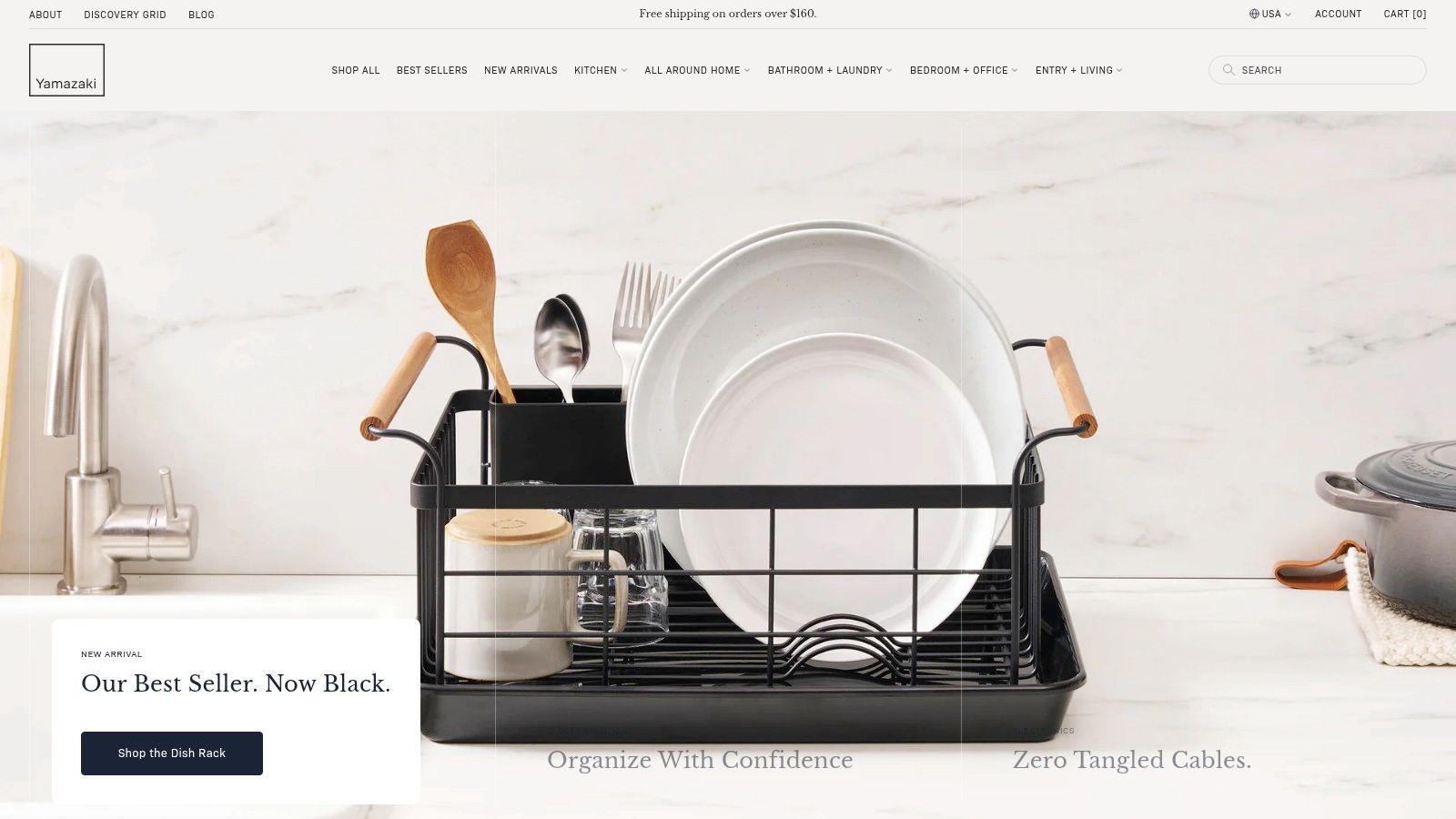
You get home, drop your bag, kick off your shoes, and the same corner turns into a pile again. Yamazaki Home fixes that problem with narrow, hardworking pieces that fit where bulkier storage fails. If your closet is shallow or your apartment has wasted slivers of space, Yamazaki Home deserves a spot on your shortlist.
Slim rolling carts, steel baskets, shoe racks, and compact caddies turn unused inches into daily-use storage. Use this brand for the categories that drift. Accessories, shoes, laundry prep, belts, hats, and tomorrow's outfit all work well here.
Best for apartments and narrow spaces
Put a cart beside your dresser. Slide a rack into the entry closet. Fill that awkward gap between furniture with a vertical organizer instead of pretending the space is unusable.
Yamazaki is also a smart move for secondhand shoppers because it supports a better editing process. Create a small holding zone for recent Vinted or Depop buys instead of mixing them straight into your main closet. Then check the outfit in TryThisFit before you give that piece a hanger, drawer, or shelf. That one habit keeps impulse resale finds from taking over your best storage.
Use a simple three-step setup:
- Assign one narrow cart or basket to new arrivals.
- Test each piece with at least two outfits you would wear.
- Promote only the winners into prime closet space.
The best closet system is the one you keep using on an ordinary Tuesday.
That matters more than looks. Yamazaki works because it reduces friction in tight spaces and makes everyday categories easier to put away fast. If your storage plan depends on perfect folding or extra room you do not have, it will fail.
Top 7 Storage & Organization Comparison
| Product | Implementation Complexity 🔄 | Resource Requirements ⚡ | Expected Outcomes 📊 | Ideal Use Cases 💡 | Key Advantages ⭐ |
|---|---|---|---|---|---|
| The Container Store (Elfa Custom Closets and Systems) | Moderate, DIY planning available; pro install optional | Higher budget; precise measurements; component lead times | Durable, highly customizable closet systems; strong long-term scalability | Walk-in closets, dedicated closets, pantries where longevity matters | Closet-specific hardware, upgrade paths, robust accessory ecosystem |
| IKEA (PAX Wardrobes, SKUBB Organizers, KUGGIS Boxes) | Moderate, flat-pack assembly; online planner support | Budget-friendly overall; stock can fluctuate by component | Flexible, affordable closet shells with many accessorizing options | Cost-conscious full-closet builds; modular bedroom and storage zones | Excellent price-to-flexibility; wide availability and promotions |
| ClosetMaid (SuiteSymphony and SpaceCreations) | Low–Moderate, DIY-friendly laminate installation | Mid-range cost; available at big-box retailers for easy pickup | Semi-custom built-in look with expandable modularity | Reach-ins and walk-ins for DIY installers seeking a finished look | Competitive pricing; large accessory ecosystem for later additions |
| Rubbermaid (Roughneck and BRUTE Totes) | Low, plug-and-play bins and totes | Low to mid per-unit cost; widely available for quick replenishment | Highly durable bulk and seasonal storage; stackable scalability | Garages, basements, moving, long-term or heavy-duty storage | Very durable materials; broad size range and commercial options |
| iDesign (Including The Home Edit Collection) | Low, simple placement and modular inserts | Moderate cost when outfitting many drawers; retail pickup | Clear, category-based organization; high visibility and access | Drawers, vanities, pantries, fridge/office organizers where visibility matters | Modular clear bins and inserts that simplify category sorting |
| Open Spaces (Pattern Brands) | Low, ready-to-use aesthetic pieces | Moderate price point; design-forward inventory may vary | Visually cohesive storage that doubles as decor | Living-room closets, visible shelving, seasonal display storage | Minimal, decor-friendly products that elevate visible storage |
| Yamazaki Home | Low, simple assembly; lightweight hardware | Moderate cost; durable steel/wood materials | Space-efficient, minimalist solutions that optimize vertical space | Small apartments, narrow niches, multipurpose rooms | Clean, room-agnostic designs ideal for tight or vertical spaces |
Start Organizing Like a Pro
You empty the closet, pile everything on the bed, and see the problem fast. Too many pieces are taking up space without earning it. Some fit your life. Some are old mistakes. Some are secondhand buys you still have not properly tested.
Make decisions before you buy a single bin.
Use the brands above with intent. Pick The Container Store, IKEA, or ClosetMaid when your closet needs structure and better use of vertical space. Grab Rubbermaid for off-season clothing, moves, and heavy-duty storage that can take abuse. Use iDesign where visibility matters, especially in drawers and accessory zones. Choose Open Spaces or Yamazaki Home if your storage will stay visible and needs to look clean on open shelves or in small rooms.
Then edit the wardrobe like a pro. Sort every piece into four groups: wear weekly, wear sometimes, store deep, let go. Keep your best shelf and hanging space for the clothes you reach for, not the version of you that shops on impulse.
TryThisFit helps at the exact moment closets usually get clogged again. Use its visual try-on tool while reviewing secondhand finds, recent deliveries, and open shopping tabs. Preview the silhouette, decide whether it works with the wardrobe you are building, and only then give it drawer or hanger space. That approach keeps organization tied to smarter buying, not just cleaner folding. As noted earlier, the same idea shows up in this Reddit product discussion about AI try-on for shopping.
If you are packing for a move or storing clothing during a home transition, this guide on Perth residential and commercial storage is also useful.
Edit first. Test questionable pieces visually. Buy storage for what survives. That is how you build a closet that stays organized.
Try Virtual Try-On Now
See how clothes look on you before you buy - works with any online store
Get Started Free