10 Types of Traditional Japanese Clothing Explained (2026)
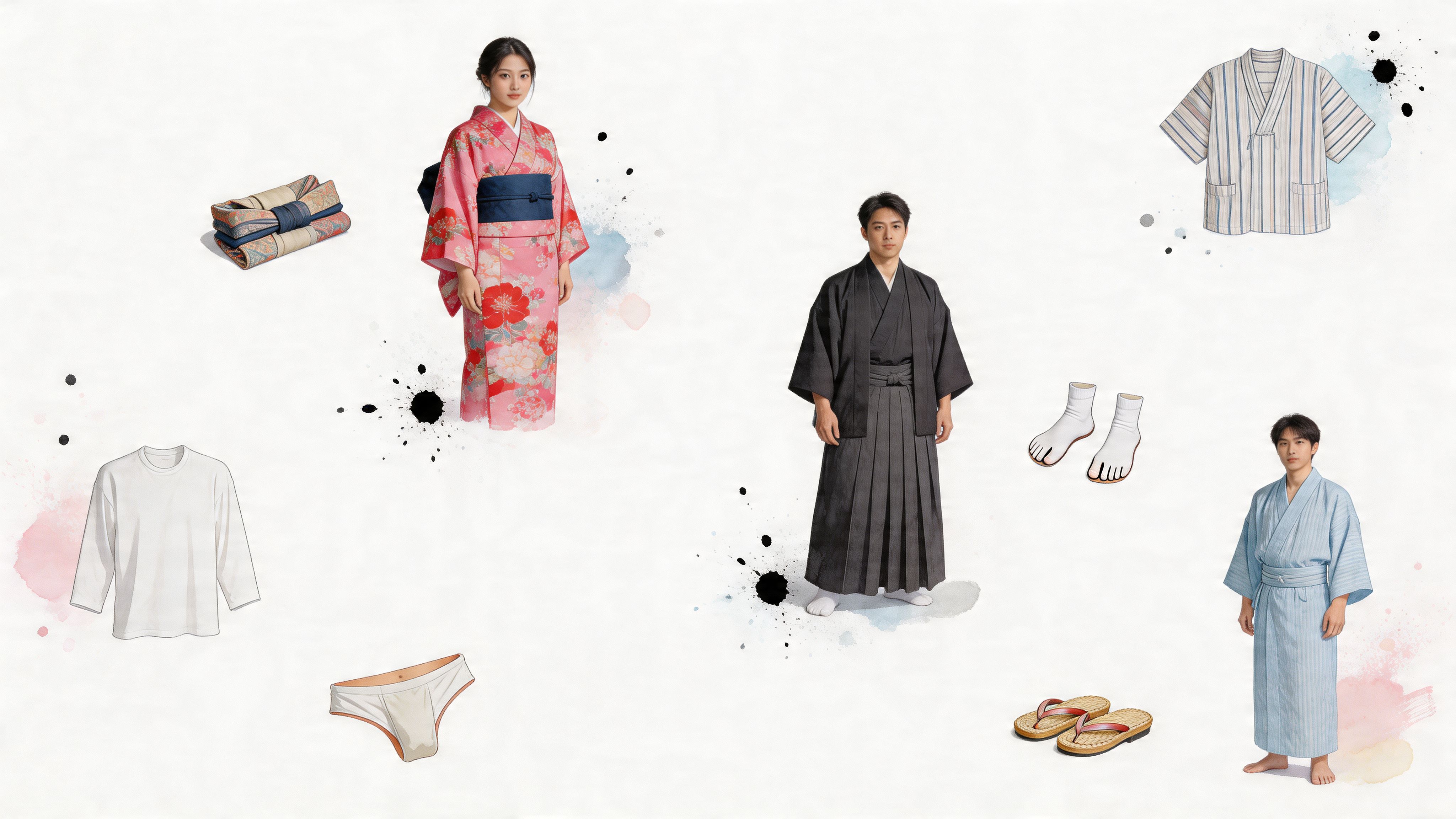
You spot a flowing robe in a movie, then a summer festival photo, then a modern street-style outfit with wide sleeves and a dramatic sash. Suddenly, traditional Japanese clothing stops feeling distant and starts feeling wearable, visual, and surprisingly easy to understand.
The appeal begins with shape. Japanese garments often use clean lines, wrapped construction, layered pieces, and fabric that moves beautifully with the body. Once you know what to look for, each item becomes easier to recognize. A kimono reads very differently from a yukata. A hakama changes the whole silhouette. An obi works like the statement belt that pulls everything together.
That visual logic is what makes this topic so fun to learn. These clothes reflect ceremony, season, daily life, and personal style, but they also offer ideas modern fashion still uses now, from draped layers to oversized outerwear. If you enjoy comparing style traditions across cultures, this guide pairs nicely with our look at traditional Thai dress for women.
You do not need expert knowledge to get started. You need a few clear reference points, a sense of what each garment looks like on the body, and a practical way to test whether the style suits you.
AI makes that last part much easier. If you find a kimono-style jacket, a yukata-inspired robe, or a secondhand haori online, you can preview the look on your own photo before buying. That helps with pieces that are hard to judge from flat product shots alone, especially when fabric drape, sleeve width, and length change the whole effect. If you plan to wear silk or silk-blend items, it also helps to know when to dry clean silk so the garment keeps its shape and finish.
The goal here is simple. You will learn the names, recognize the silhouettes, and see how these traditional pieces can work with modern wardrobes, whether you want historical context, better shopping instincts, or a Japanese-inspired outfit you can picture on yourself.
1. Kimono
You spot a beautiful robe online, with wide sleeves and a patterned hem, and wonder whether it would look elegant on you or costume-like. The kimono is often the piece people recognize first, but it becomes much less intimidating once you know what to look at.
A kimono is a T-shaped wrap garment with a straight, flowing silhouette. The design works a bit like architecture in fabric. Flat panels, long lines, and careful wrapping create presence without tight tailoring. That is why a kimono can look quiet and dramatic at the same time.
Its history stretches back for centuries, and its role changed across eras, from court dress to formalwear to treasured cultural clothing worn for specific occasions today. You do not need to memorize every historical period to understand its appeal. Start with the visual logic instead.
What gives a kimono its personality
A kimono’s mood comes from four things: fabric, sleeve shape, pattern placement, and the obi. Change one of those, and the whole impression shifts.
A glossy silk kimono with refined motifs feels ceremonial. A softer piece with a simpler print feels easier and more relaxed. Patterns near the hem can draw the eye downward and make the outfit feel grounded, while all-over motifs create a busier, more decorative effect.
A few well-known examples help make the category clearer:
- Tomesode: A formal kimono, often worn for major celebrations.
- Houmongi: A dressier style for visits, parties, and social events.
- Uchikake: A richly ornate bridal outer robe.
- Kimono-inspired layers: Modern versions styled over tanks, jeans, slip skirts, or wide-leg trousers.
If the names blur together, use one quick shortcut. Look at the sleeves first, then the hem. Those details usually tell you whether the piece feels formal, festive, youthful, or adapted for everyday styling.
Why kimono still inspires modern fashion
Kimono design translates surprisingly well into current wardrobes because the silhouette is so clear. A haori-style jacket over denim, a robe layer over a monochrome slip dress, or an obi-like belt over a blazer all borrow from the same visual idea: strong lines, controlled volume, and beautiful surface design.
That cross-cultural styling conversation is part of what makes fashion history so fun. If you enjoy comparing how traditional dress shapes the body in different ways, modern interpretations of Egyptian clothing offer an interesting contrast in drape, symbolism, and silhouette.
AI also makes kimono-inspired dressing much more approachable. Instead of guessing from a flat product photo, you can virtually try on a kimono-style layer with your own wardrobe and see whether the sleeve width, length, and print feel balanced on your frame. That is especially helpful with statement pieces that can look very different once worn.
A practical note before you buy
Many traditional and vintage kimono are silk, and silk behaves beautifully because it has body, sheen, and fluid drape. It also needs proper care. If you are considering a vintage purchase, learn when to dry clean silk so the fabric keeps its shape and finish.
The easiest starting point for most readers is a kimono-inspired outer layer rather than a full formal ensemble. You still get the elegance of the silhouette, but in a way that feels wearable, visual, and easy to test with modern clothes before committing.
2. Yukata
You spot the summer festival first. Paper lanterns glow, sandals tap across the street, and a swirl of cotton prints moves through the crowd. That light, breezy garment is often a yukata, one of the most inviting entry points into traditional Japanese clothing.
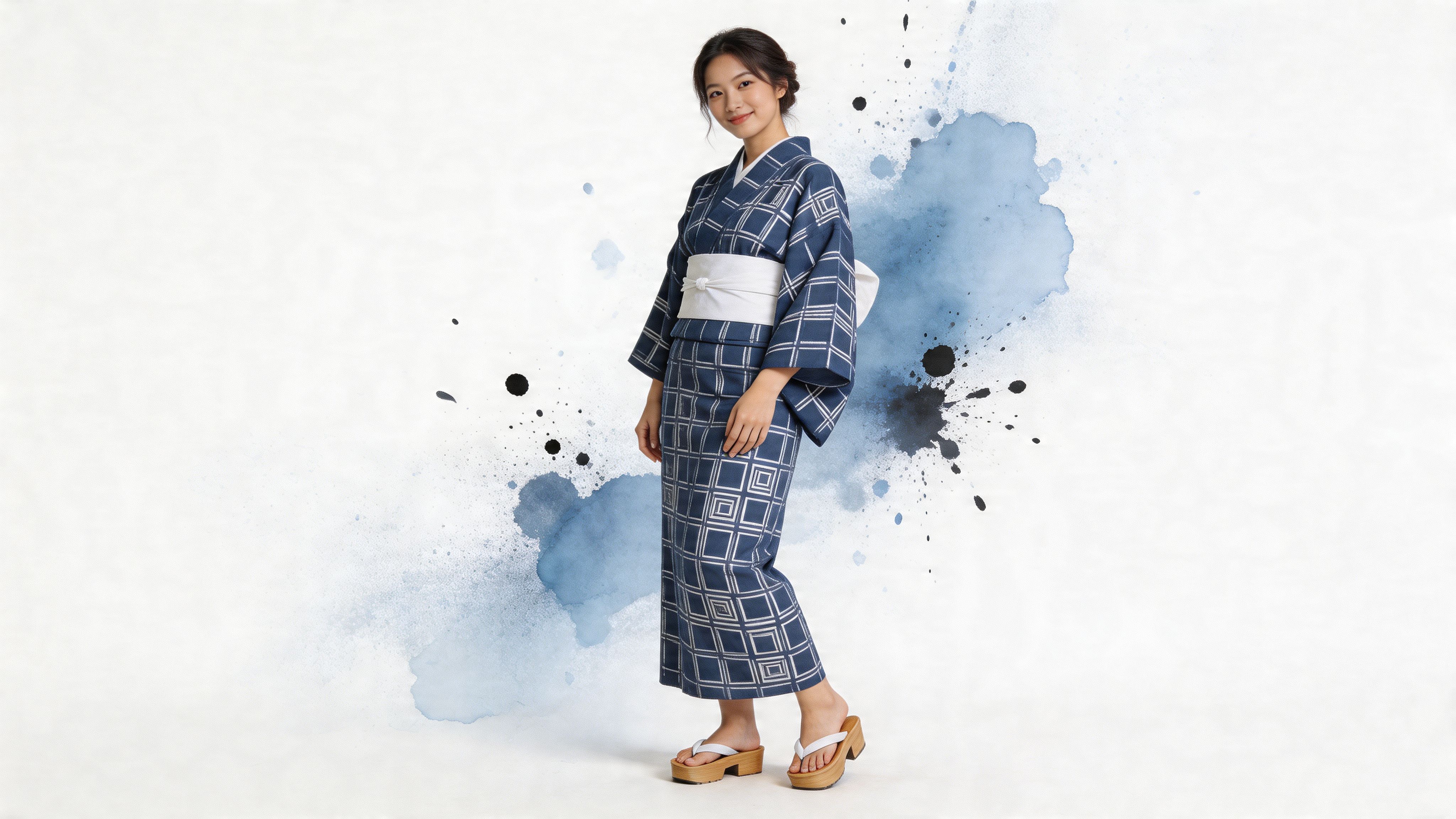
A yukata is a casual robe-shaped garment that shares the straight, wrapped silhouette of kimono, but usually feels lighter, simpler, and more relaxed. It began as a practical post-bath robe and gradually became strongly associated with warm-weather outings, seasonal events, and everyday summer style in Japan.
Why yukata feels so approachable
Fabric is a big reason. Many yukata are made from cotton or other breathable materials, so the garment reads as easy and fresh rather than highly ceremonial. If kimono can feel like formalwear, yukata often feels closer to a beautiful summer statement piece.
The visual language matters too. Straight lines keep the shape clean. Bold prints do most of the talking. The obi adds structure at the waist, almost like the finishing ribbon on a carefully wrapped package.
A few common styles are easy to recognize:
- Indigo-and-white yukata: Clean, classic, and captivating.
- Floral festival yukata: Bright, playful, and easy to spot in a crowd.
- Minimal modern yukata: Simpler prints, softer contrast, and a more understated mood.
That range is what makes yukata so fun for modern styling. You can wear one traditionally with sandals and a woven bag, or borrow the same visual ideas for current outfits. A printed wrap layer, a sash-style belt, or a robe-inspired dress can bring in the same feeling. If you like mixing references from different aesthetics, exploring different outfit styles can help you see where yukata-inspired looks fit best.
How to preview yukata style before you buy
Yukata is one of the easiest traditional garments to test visually with AI because print changes everything. The cut stays relatively simple, so your eye goes straight to color, motif, sleeve length, and sash contrast.
Try comparing two very different versions with the same pose or outfit base. A navy yukata with a pale obi feels calm and refined. A red floral version with a stronger sash looks festive right away. Seeing that difference on your own image makes the garment much less intimidating.
This is also where modern technology makes traditional Japanese fashion more accessible. Instead of guessing from a flat product photo, you can preview how a yukata-style silhouette works with your height, your coloring, and even modern accessories you already own. That makes it easier to choose a piece that feels respectful, wearable, and exciting.
3. Hakama
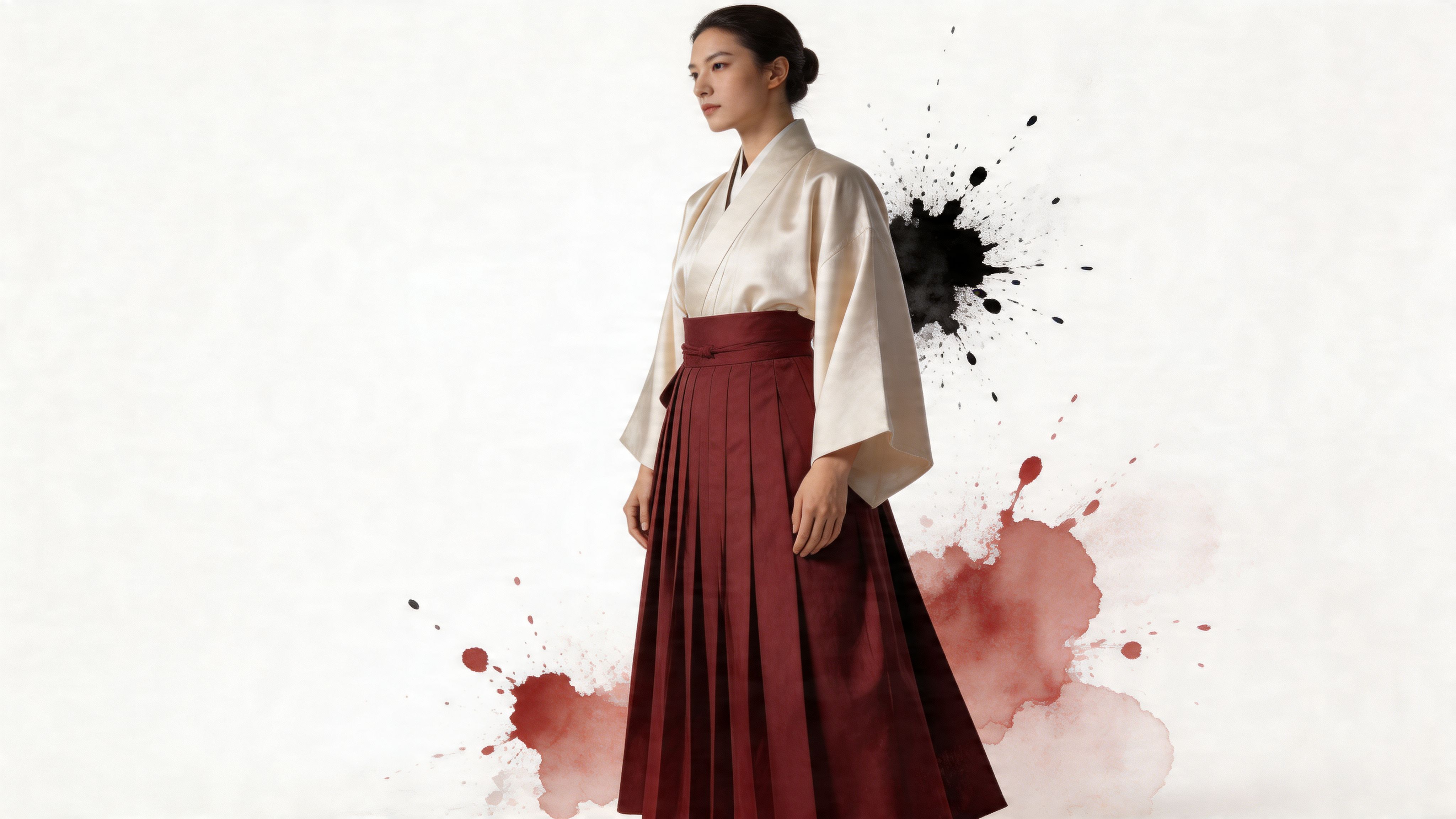
Hakama has one of the strongest silhouettes in all traditional Japanese clothing. At a glance, it can look like a skirt, very wide trousers, or something in between. That architectural shape is exactly why it feels so striking.
In earlier Japanese dress, hakama began as a narrower garment for upper-class men, then later developed pleats and became associated with nobles and samurai. That evolution is part of what gives hakama its formal, grounded presence.
Where you’ll see hakama today
Hakama still appears in ceremonial settings, martial arts, and shrine contexts. You may also spot modern fashion versions styled with shorter jackets, fitted knitwear, or sharp shirts.
The classic examples are easy to picture:
- Dark hakama for martial arts: Structured and disciplined.
- Formal crested hakama: Worn for special occasions.
- Red shrine-maiden-inspired styles: Recognizable and dramatic.
- Fashion hakama: Styled with blazers, boots, or minimalist tops.
What I love about hakama is how it changes posture. Even in a photo, it creates a long vertical line and a sense of movement near the hem.
Bringing hakama into modern wardrobes
If you want to make hakama feel current, pair it with simple pieces that let the shape stand out. A fitted turtleneck, cropped jacket, or clean white shirt usually works better than anything too fussy.
That makes it a great garment to preview visually before buying. I like using TryThisFit to compare dark, formal-looking hakama against softer, fashion-forward versions and see which style feels more “me.” If you want more ideas for mixing statement pieces into everyday clothes, this guide to different outfit styles is a helpful place to keep the inspiration going.
4. Obi
You notice the obi before you understand it. A kimono can look soft and flowing, then the sash brings everything into focus with shape, color, and a clear waistline. It works like the visual anchor of the outfit, holding the look together while also becoming one of its most expressive parts.
That bigger, more decorative role developed over time. As obi became wider and more elaborate, they stopped reading like simple fasteners and started acting like statement pieces.
Why obi deserves attention
The obi changes mood fast. A glossy woven style can make the outfit feel formal and ceremonial. A lighter cotton version can make the same silhouette feel relaxed, youthful, and ready for summer.
That range is what makes obi so fun to study.
Common obi types include:
- Fukuro obi: Formal, polished, and often richly patterned.
- Maru obi: Extremely dressy and closely associated with bridal and other high-formality wear.
- Hanhaba obi: Half-width, lighter in feel, and much easier for beginners to approach.
- Cotton obi for yukata: Casual, breathable, and great for warm-weather styling.
If kimono fabric is the background music, the obi is the chorus. Your eye goes there quickly because it creates contrast at the center of the body. That is also why it matters so much in photos, costume design, and modern styling experiments.
Here’s a helpful video if you want to see obi styling in motion:
<iframe width="100%" style="aspect-ratio: 16 / 9;" src="https://www.youtube.com/embed/zNZVPx1Ga0s" frameborder="0" allow="autoplay; encrypted-media" allowfullscreen></iframe>How to experiment with obi colors
Obi is one of the easiest traditional pieces to understand through virtual try-ons. Keep the garment the same, then swap only the sash. Suddenly you can see how one change shifts the whole impression.
A gold brocade obi feels formal and celebratory. A matte striped obi feels younger and more casual. A deep navy obi can calm down a floral kimono, while a brighter sash can wake up a quieter robe.
Style note: Busy kimono patterns usually look cleaner with a calmer obi. Plain robes often leave more room for the sash to carry the drama.
This is also where modern styling gets exciting. If full traditional dress feels intimidating, start by studying obi logic and borrowing the idea. A wide waist belt over a long dress, a structured sash over a blazer, or a wrapped fabric belt with a monochrome outfit can echo the same effect. If you use AI outfit tools to preview colors and proportions, obi becomes much easier to appreciate. You are not just memorizing terms. You are learning how balance, contrast, and silhouette work in real outfits.
5. Tabi
Tabi are the split-toe socks that complete many traditional Japanese outfits. They’re small, but they change the entire feeling of the look. Once you notice them, you start seeing how important they are to the silhouette from the ankle down.
The split toe is designed to work with thong-style sandals such as zori or geta. That means tabi are practical, but they’re also strikingly graphic. They create a neat, intentional finish that looks very different from ordinary socks.
Why tabi matter more than people expect
With kimono or yukata, the eye naturally travels downward to the hem and footwear. If the socks don’t suit the outfit, the look can feel unfinished. White tabi feel formal and crisp. Patterned or colored tabi can make a casual outfit feel playful.
You’ll often see:
- White tabi: Clean, formal, and traditional.
- Printed tabi: Great with casual outfits and festival looks.
- Streetwear-inspired tabi: Styled with contemporary shoes and cropped trousers.
This is one area where details really count. Even a simple outfit can look more polished when the sock choice feels deliberate.
Modern ways to wear tabi
Tabi-inspired fashion has crossed into streetwear because the shape is instantly recognizable. People pair split-toe socks with sandals, clogs, and modern footwear for a look that feels both old and new.
When you preview tabi styling, focus on the whole lower half of the outfit. The hem length, sock color, and shoe choice work as a trio. If you’re planning a full look, TryThisFit can help you see the appearance of those elements together, especially when you’re comparing traditional sandals against more modern shoes.
6. Kosode
You spot a robe-style piece in an old Japanese painting, then notice something familiar. The wrapped front, the sash, the clean T-shape. That garment is often a kosode, and once you recognize it, the history behind later Japanese dress starts to click into place.
Kosode is closely tied to the story of the kimono. Over time, it moved from being more of an underlayer or paired garment into a visible main piece styled with an obi. That shift helps explain how the classic wrapped silhouette became such a defining image in Japanese fashion.
What kosode looks like
The easiest way to read a kosode is by its scale. Compared with many later kimono forms, it usually has smaller sleeve openings and a neater, more compact outline. The effect is tidy, balanced, and surprisingly modern to the eye.
It has quiet beauty.
Instead of dramatic length or sweeping volume, kosode often draws you in with proportion, fabric, and surface pattern. If formal kimono can feel like full occasionwear, kosode can feel closer to a beautifully cut robe or coat dress.
A few helpful ways to picture it:
- Plain silk kosode: Smooth, refined, and softly luminous.
- Patterned kosode: Geometric or nature-based motifs that add character without overwhelming the shape.
- Layering kosode: A base garment that creates structure under other pieces.
- Modern kosode-inspired robes: Shorter, wearable versions that fit easily into contemporary outfits.
Why kosode still feels exciting
Kosode is a great entry point for anyone who loves traditional Japanese clothing but wants a shape that feels less intimidating at first glance. The proportions are easier to read. The styling possibilities also feel more open.
A kosode-style piece works well with a slim belt, ankle boots, simple flats, or even fitted trousers underneath, depending on the look you want. It helps to treat it like the meeting point between history and modern styling. That is also why it works so well for virtual outfit testing with AI. You can see whether the shorter sleeves, cleaner lines, and wrap shape suit your frame before committing to a full traditional look.
If you are experimenting digitally, focus on three things first. Sleeve length, hem length, and sash width. Those details change the mood fast, from understated and elegant to fashion-forward and editorial.
7. Jinbei
Jinbei is one of the most relaxed entries on this list. It usually comes as a set with a short-sleeved top and matching shorts or cropped trousers. If some traditional Japanese clothing feels ceremonial, jinbei feels lived-in and easy.
That comfort is a big part of its appeal. It’s often associated with summer, home wear, and casual outings, but modern versions now come in enough colors and fabrics to feel stylish outside the house too.
The casual side of Japanese dress
Jinbei often appears in indigo, soft gray, stripes, or playful prints. You’ll also see festival-ready versions and children’s styles that lean cheerful and bright.
The look works because it’s coordinated without trying too hard:
- Indigo jinbei: The classic, breezy option.
- Bright modern jinbei: More expressive and playful.
- Textured linen-style jinbei: Great for a minimal summer wardrobe.
- Matching family or couple sets: Popular for festival styling and photos.
This is one of the easiest garments on the list to imagine in real life. It can work for lounging, travel, summer events, or even as a stylish set for warm evenings.
Styling jinbei without losing its ease
Don’t overcomplicate this one. Sandals, simple slides, canvas shoes, and a woven bag are often enough. The charm comes from the relaxed proportions.
Jinbei looks best when it still feels effortless. The goal isn’t formality. The goal is comfort with character.
If you’re considering one from a marketplace listing, try previewing the set with TryThisFit. It’s especially useful for seeing whether a traditional indigo version or a brighter modern colorway suits your personal style better.
8. Haori
You spot a beautiful Japanese-inspired layer online and pause. It looks dramatic in the product photo, but you can also picture it over a plain tee, jeans, and boots. That is the haori’s strength. It brings traditional shape into everyday styling without asking you to build a full formal outfit first.
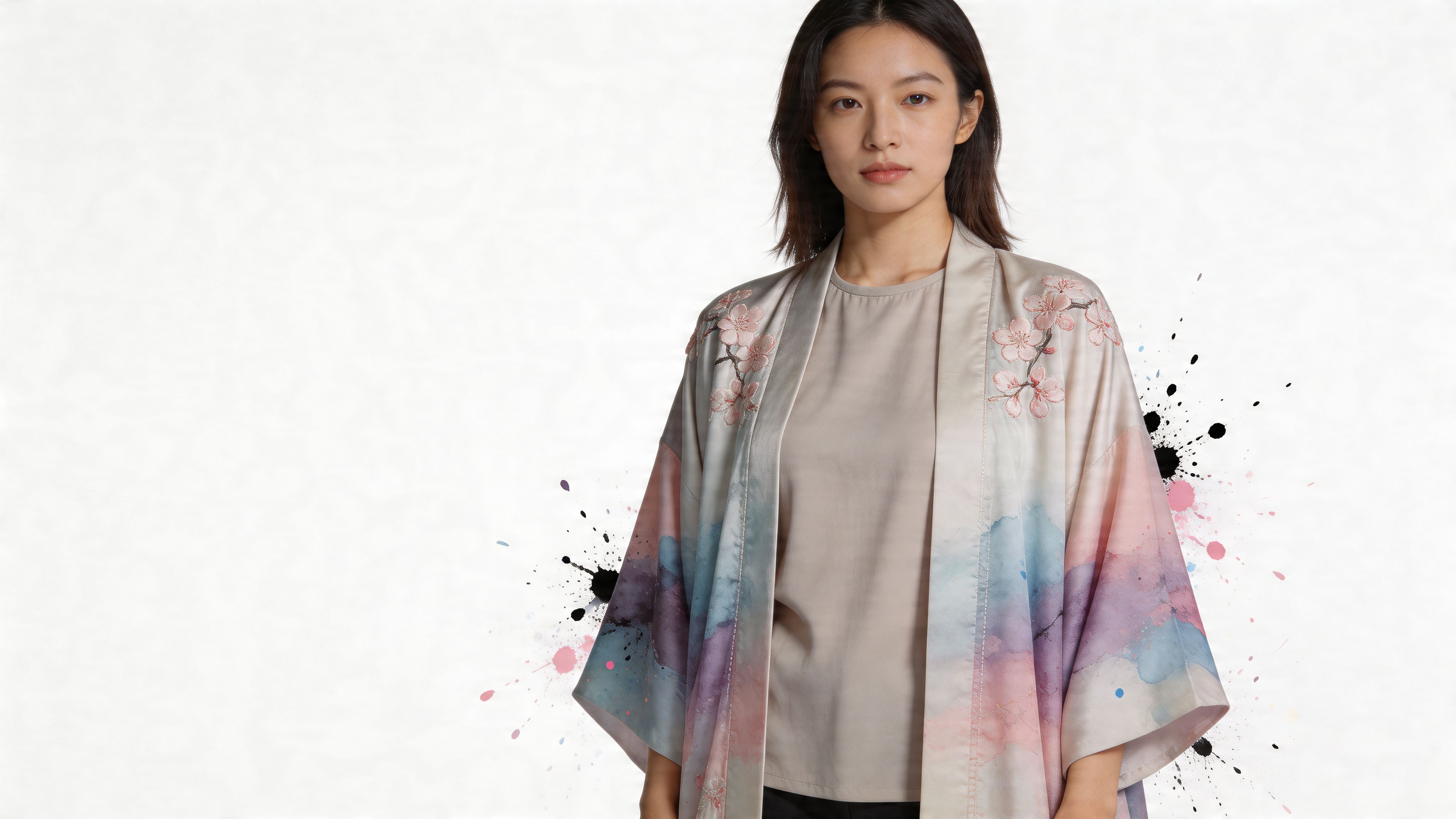
A haori is a short coat worn over a kimono, but it also makes sense immediately to modern dressers because it functions like a light jacket. The difference is in the silhouette. Instead of hugging the body, it frames it. That creates movement, a little structure, and a distinctly Japanese line that feels graceful rather than fussy.
Why haori feels so wearable
Some traditional garments require wrapping, tying, or layering knowledge. Haori is simpler. You slip it on, and the look is already taking shape.
That simplicity is why haori often becomes the entry point for people who love Japanese fashion but want a piece they can style on a normal day. It works over fitted tops, simple dresses, knitwear, wide-leg pants, or even a monochrome outfit that needs more texture and flow.
You’ll usually see a few clear directions:
- Silk haori: Refined, glossy, and better for dressier looks.
- Cotton haori: Relaxed and easy for everyday wear.
- Light linen-blend styles: Airy and especially nice in warm weather.
- Modern kimono jackets: Looser pieces inspired by haori, often made for casual wardrobes.
What makes it visually special
The appeal is not only cultural. It is also highly practical from a styling point of view. A haori adds length without the heaviness of a coat, and it completes an outfit without covering everything underneath.
If kimono feels like learning the whole language at once, haori feels like learning a beautiful, useful phrase first. You start to understand the rhythm of Japanese clothing through shape, sleeve line, drape, and proportion.
A smart piece to preview with AI
Haori is also one of the easiest garments to test digitally before buying because layering changes the whole impression. A floral haori can look romantic over a slip dress, graphic over a black tank and trousers, or relaxed over denim and sneakers. Seeing those combinations on yourself first makes the style much less intimidating.
That is part of what makes this guide different. Traditional Japanese fashion does not have to stay in the category of “beautiful, but maybe not for me.” With AI try-on tools, you can check whether you prefer a subdued woven texture, an art-print haori, or a cleaner modern version before you commit. For beginners, that small preview often turns admiration into actual outfit ideas.
9. Fundoshi
Fundoshi is very different from the other garments on this list because it’s an undergarment rather than an outer style piece. Historically, it was a practical cloth wrapped around the hips and between the legs. Today, it is often encountered through cultural events, traditional ceremonies, or sumo-related imagery.
That context matters. Fundoshi isn’t a casual fashion buy in the same way a haori or yukata might be. It carries specific cultural and ceremonial associations.
Where fundoshi appears today
You may see fundoshi or related forms in:
- Festival settings: Worn by participants in traditional events.
- Shinto contexts: Associated with ritual dress in some cases.
- Sumo imagery: Through the better-known mawashi variation.
- Historical reenactment or cultural study: Used by enthusiasts interested in authenticity.
Because it’s so tied to tradition, this is one garment to approach with care and curiosity rather than trend-chasing.
Respect comes first
If you’re learning about fundoshi for educational reasons, focus on its role in Japanese dress history and how it functioned in everyday life before modern undergarments took over. If you’re considering wearing one for a cultural event, look up proper wrapping methods and make sure the context is respectful.
This is a garment to understand before styling. The history is part of the garment.
Fundoshi may not be the first item you’ll visualize with a try-on app, but it belongs in any honest guide to types of traditional japanese clothing because it shows how broad the category really is.
10. Susohiki
Susohiki is one of the most dramatic garments in Japanese dress. It’s a specialized kimono with a long trailing hem that creates a flowing, stage-like presence. When you see one in motion, it’s unforgettable.
This style is strongly associated with performers such as geisha, maiko, and kabuki actors, as well as highly formal appearances. It’s not everyday clothing. It’s visual theater in garment form.
The elegance is in the hem
With susohiki, the trailing length is the point. The garment uses movement, floor contact, and long lines to create elegance. It turns walking into part of the styling.
Common examples include:
- Performance susohiki: Worn by geisha or in traditional arts settings.
- Bridal-inspired susohiki: Richly embroidered and ceremonial.
- Kabuki styles: More dramatic in color and design.
- Highly formal versions: Reserved for especially grand appearances.
The difference between a standard kimono and a susohiki often becomes obvious the moment you look at the lower half. The extra length changes the mood completely.
Why visual preview helps with dramatic garments
A garment this striking can be hard to picture from a hanger photo alone. The hem length, collar contrast, and sash placement all affect the final appearance.
That’s where TryThisFit becomes useful again. I’d use it to preview the overall effect before buying or renting a dramatic robe for a themed event, stage concept, or Japanese-inspired fashion shoot. It won’t tell you measurements, but it can help you see how the style looks and whether the visual drama is what you want.
Comparison of 10 Traditional Japanese Garments
| Item | 🔄 Complexity | ⚡ Resources / Cost | 📊 Expected outcomes | 💡 Ideal use cases | ⭐ Key advantages |
|---|---|---|---|---|---|
| Kimono | High, complex wrapping, layered dressing protocols | High, silk/obi/juban; $300–$3,000+; professional care | High, formal, highly photogenic; limited mobility | Weddings, formal ceremonies, photoshoots | Rich visual impact; versatile seasonal styles |
| Yukata | Moderate, simpler wrap and obi | Low, unlined cotton; $30–$150; easy care | Good, lightweight, casual summer aesthetic | Summer festivals, casual gatherings, fireworks | Affordable, breathable, easy to wear |
| Hakama | High, pleats/ties and specific wearing protocol | High, silk/cotton; $500–$2,000+; layered | High, dramatic, elongating silhouette; formal | Martial arts, ceremonies, shrine duties | Distinctive formal silhouette; strong visual presence |
| Obi | High, complex tying techniques and structure | Variable, $20–$2,000+; storage/preservation required | High, instantly transforms garment appearance | Styling upgrades, mixing with multiple kimonos | High-impact styling change; wide design range |
| Tabi | Low, simple to put on but split-toe fit unique | Low, cotton/silk blends; $5–$30; regular washing | Moderate, completes traditional look; visible with sandals | Formal kimono events, casual streetwear accents | Essential finishing piece; affordable variety |
| Kosode | Moderate, simpler than full kimono; still uses obi | Moderate, cotton/silk; $100–$500 | Good, comfortable, better mobility; semi-formal | Casual/semi-formal wear, modern fusion styling | Beginner-friendly; practical for everyday use |
| Jinbei | Low, pull-on two-piece, no wrapping | Low, linen/cotton; $40–$150 | Moderate, casual, breathable summer outfit | Home wear, summer festivals, loungewear | Practical, comfortable, easy dressing |
| Haori | Low–Moderate, no wrapping but needs correct fit | Moderate, cotton/silk/linen; $50–$1,500 | Good, versatile layering; elevates outfits | Layering over modern clothes, semi-formal events | Adaptable layering piece; fusion-friendly |
| Fundoshi | Moderate, simple wrap but unfamiliar technique | Low, cotton/linen; $10–$40 | Low–Moderate, undergarment use; authentic context only | Traditional ceremonies, sumo, reenactments | Sustainable, minimal material, authentic |
| Susohiki | Very high, specialized wearing and walking technique | Very high, top-quality silk; $1,500–$5,000+ | Very high, extremely dramatic, formal, photogenic | Geisha/kabuki performances, imperial/formal state events | Supreme formal elegance; unique trailing silhouette |
Visualize Your Japanese-Inspired Style Today
You save a haori-inspired layer to your cart, bookmark a summer yukata, and then hit the same wall many shoppers hit. You can recognize that the piece is beautiful, but you still cannot tell whether it will look polished, dramatic, relaxed, or awkward with your own wardrobe.
That question matters more than memorizing every garment name on day one.
Traditional Japanese clothing becomes much easier to style once you read it in parts. Silhouette comes first. Then fabric and movement. Then finishing pieces, like the obi or tabi, which shift the mood the way shoes, belts, and outerwear do in Western outfits. Once you see that system, these garments stop feeling distant and start feeling usable.
That is also where modern styling gets fun. A haori works like a light jacket over jeans, a tank, or wide-leg trousers. A yukata-inspired layer can look clean and fresh over a slip dress. Hakama-inspired pants can swing toward artsy, formal, or streetwear depending on the shoes and the length of the top. Small adjustments create very different results.

The hard part is seeing those possibilities before you buy. Product pages often show one model, one pose, and one styling choice. Vintage listings can be even trickier, with limited photos and no fitting room. If you are new to Japanese fashion, that can make a beautiful piece feel risky.
AI try-on tools help you test the visual idea first. Upload a clear photo of yourself, add the garment image, and compare how a kimono-style robe, haori, or hakama-inspired piece sits on your frame. Front-facing photos usually read best. Flat-lay clothing images also help because the shape is easy for the tool to interpret.
This approach is useful for more than shopping. It helps you learn. You start to notice which prints feel calm, which sleeves feel dramatic, and which proportions suit your height and everyday style. It is a fitting room and a study tool at the same time.
Start simple. Try a haori over a T-shirt and well-fitting trousers. Then test something bolder, like a printed yukata-style layer over a plain dress. Viewing two versions side by side teaches your eye quickly, much like comparing two fabrics in daylight to see which one has more life.
Japanese clothing has a long design history, but it does not need to stay locked in museums, costume shops, or formal events. You can study the original garments, respect their context, and still explore their shapes in a modern wardrobe. AI makes that first step easier, clearer, and far more approachable.
Try Virtual Try-On Now
See how clothes look on you before you buy - works with any online store
Get Started Free