How to Wear Hot Pants Without Overthinking It
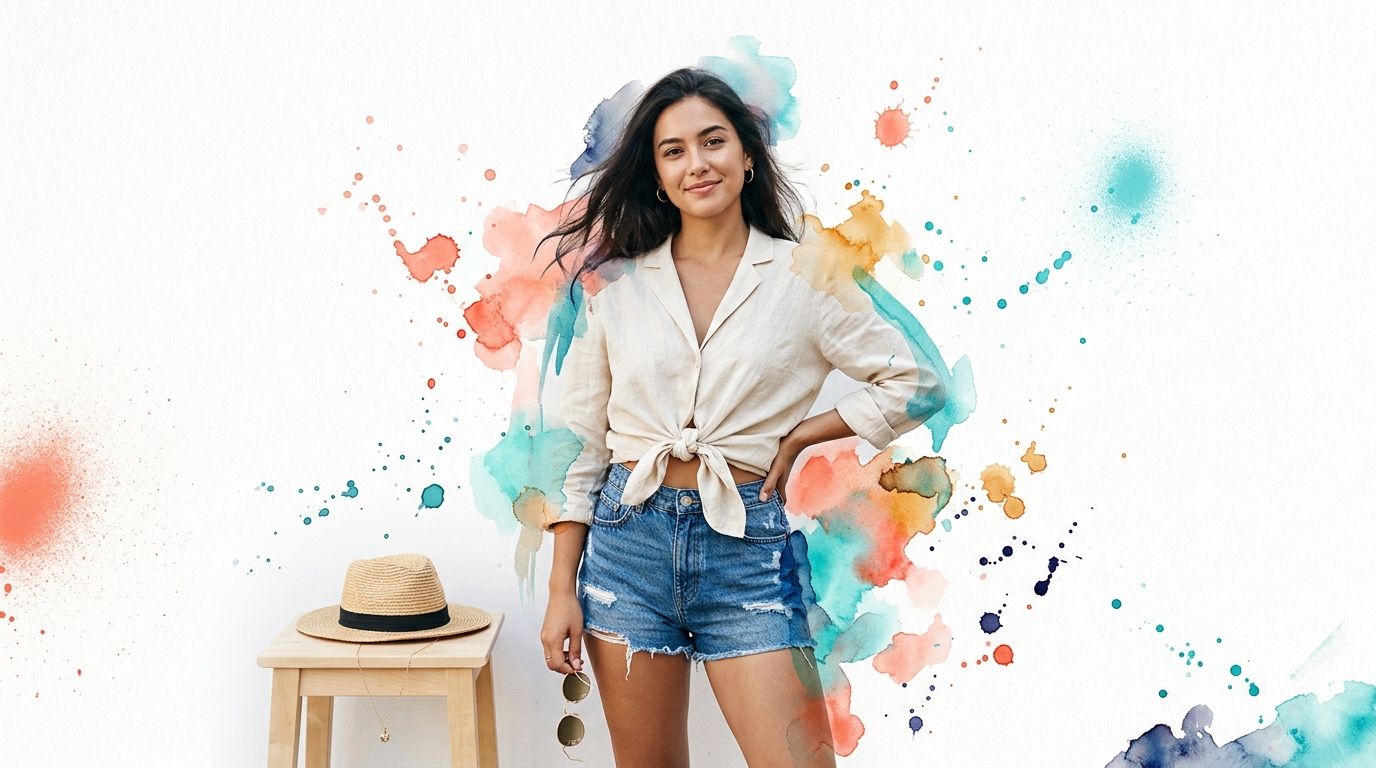
You already know the feeling. You put on hot pants, check the mirror, and the outfit looks almost right, but not quite polished enough to leave the house. That usually isn't a body problem, it's a proportion problem, and hot pants are unforgiving because they're built to be the loudest thing in the outfit.
The fix is simple: treat the shorts as the statement piece and let everything else do the balancing. If you want a deeper style lens on silhouette and polish, where elegance meets luxury fashion is a useful reference point, and if you like comparing proportions by body line before you buy, this body-shape guide helps you see the logic fast. Hot pants can look sharp, sexy, cool, or messy, and the difference is usually one decision above the waist.
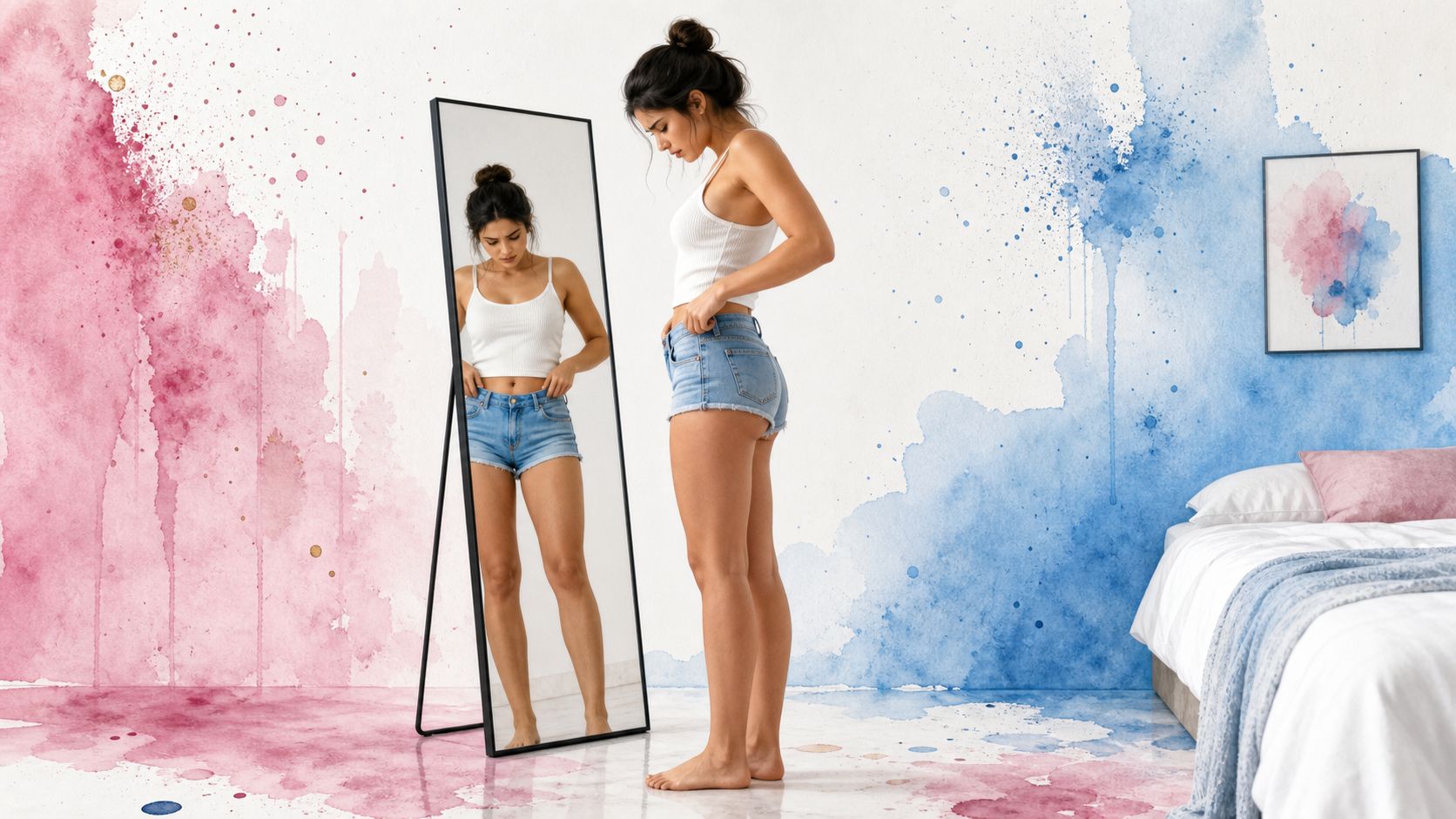
Why Hot Pants Feel Harder Than They Look
Hot pants have a long history of making people second-guess themselves, because they sit in that narrow zone between playful and overdone. They emerged as a major fashion item in the late 1960s, were formally named by Women's Wear Daily in 1970, and became a global trend between 1969 and 1972, according to the historical overview on Hot pants. That rise matters because the garment was never neutral. It was designed to announce itself.
The one rule that fixes most outfits
Hot pants are extremely short shorts worn high on the thigh, typically above the knees. That means the outfit can tip into visual chaos fast if you pile on too many competing elements, like a tight top, ultra-high heels, and a long blazer all at once. The easiest way to wear them well is to let the shorts be the focal point and give the rest of the look some structure.
Practical rule: if the hem is tiny, the rest of the outfit needs to look deliberate.
That's why hot pants often work best with refined tops, cleaner layers, and shoes that don't shout over the legs. Fashion histories also describe them as dressy clothing for women, not athletic shorts, which is why they read better when you style them like going-out clothing instead of casual gym wear. If you're choosing between “more coverage up top” and “more drama everywhere,” pick coverage. It makes the outfit look intentional.
The useful mental shift is this. You are not trying to hide the shorts. You're trying to make the whole outfit look like it was planned on purpose, not assembled in a panic five minutes before you walked out the door.
Choosing the Right Fit, Rise, and Fabric
Hot pants are easier to shop for once you judge them in motion, not on the hanger. The waistband should lie flat, the leg opening should stay put, and the shorts should not tug hard when you sit or bend. If they only look good standing still in a mirror, leave them there.
Rise and fit come before the fun stuff
High-waisted pairs are common, and they usually make styling simpler because they create a cleaner line through the torso. Mid-rise can work too, but it asks more from the rest of the outfit because the waist sits lower and gives you less room for error. For both, check the waistband and leg opening first, then move around. Sit, bend, and walk before you buy.
A fitted blazer works better than an oversized one here because the silhouette already brings plenty of drama. Style guidance on hot pants also points toward luxe, less-clingy fabrics like silk, cotton, or leather, and away from stretchy denim if you want to avoid a tacky read. The cut matters just as much as the cloth. A well-cut pair in a better fabric will always look more expensive than a flimsy pair with a loud label.
Fabric verdict, fast and honest
Style guides on hot pants consistently mention denim, cotton, polyester, leather, satin, and spandex as common materials, and that list tells you a lot about how the garment reads on the body. Denim and cotton can look easy if they are structured. Leather and satin push the outfit more evening-friendly. Spandex-heavy styles usually look the least refined unless the rest of the outfit is very controlled.
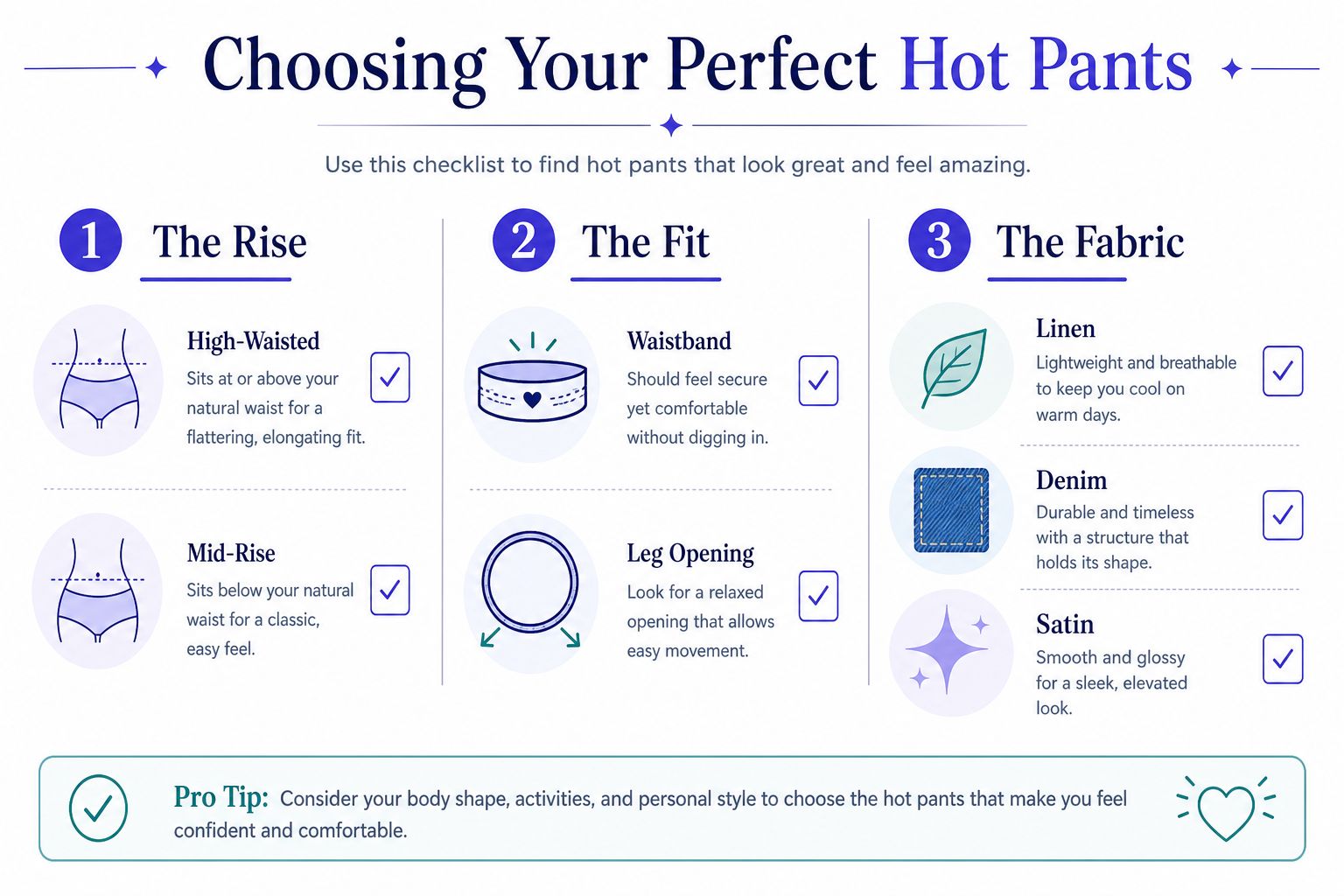
For warm weather, lighter colors and breathable woven fabrics are the safer play. REI recommends the lightest-weight fabric available, looser fits that do not cling, and light colors because they reflect more sunlight than dark shades, while its humidity guide also notes that UPF-rated clothing is tested at levels such as UPF 15, UPF 30, and UPF 50+ (REI humidity guide). Research from the National Collaborating Centre for Environmental Health also found that polyester fibers in hot environments tended to leave people hotter, sweatier, and more uncomfortable than cotton or wool (heat advice clothing brief). If you want hot pants that feel wearable, natural fibers are the safer bet.
TryThisFit's fabric guide is useful if you want to preview how different materials read visually before you commit. My rule is simple. If the fabric clings, shines in the wrong way, or looks cheap on camera, do not buy it.
Outfit Formulas That Actually Work
The fastest way to style hot pants is to stop improvising and start using repeatable formulas. A good formula gives you proportion control without killing the vibe, and it keeps you from making the classic mistake of treating tiny shorts like they can carry the whole outfit alone. They can't. The top half has to earn its keep.
Five combos I'd actually wear
1. Hot pants + fitted blazer
This is the sharpest option. It works because the blazer adds structure while the shorts keep the look fresh, and the fitted cut matters more than the oversized one. If you have a straighter shape, this adds definition. If you have curves, keep the blazer slightly shorter than the shorts so the hemline doesn't fight the silhouette.
2. Hot pants + fitted tee
This is the easiest daytime version, but only if the tee is fitted or neatly tucked. A loose tee can make the outfit feel lazy. On a pear shape, this formula works best with a higher rise, because it keeps the waist visible. On an hourglass shape, a tucked tee shows off the line without overcomplicating the outfit.
3. Hot pants + romantic blouse
Soft volume on top balances the short hemline beautifully. Think drape, sleeves, movement, not stiff ruffles everywhere. This is the one I'd choose if you want feminine without looking too precious. It also works well when the shorts themselves are more structured, because the contrast keeps the outfit from feeling flat.
4. Hot pants + cropped knit
This works when the knit is close to the body and ends cleanly at the waist or slightly above it. A bulky cropped sweater can overwhelm the legs, so keep the texture soft but the shape neat. If your legs are the star, this formula lets them stay the star.
5. Hot pants + going-out top
Use this for nightlife, not brunch. The trick is to choose one focal point, a satin finish, a strong neckline, or a bare shoulder, then keep everything else quieter. Too many “going out” details at once starts to feel like a costume.
I always preview the whole outfit on myself before I buy the pieces, because the pairings that sound great in theory can look clunky once the proportions are on a real body.
The ensemble-building guide is helpful if you want to test combinations before you spend money. My blunt rule is this. If the top and shorts both fight for attention, the outfit loses.
Shoes and Accessories That Finish the Look
Shoes decide whether hot pants look polished, sporty, or a little too try-hard. That's why I rank them by setting instead of pretending they all do the same job. The lower and cleaner the shoe, the more grown-up the outfit usually feels. The higher and shinier the heel, the closer you get to costume territory.
Hot Pants Shoe Pairings by Occasion
| Shoe Style | Best For | Vibe |
|---|---|---|
| Sneakers | Errands, casual daytime | Easy, unfussy, youthful |
| Loafers | Lunch, smart casual, city walking | Clean, grounded, grown-up |
| Ballet flats | Day dates, brunch | Soft, neat, slightly retro |
| Ankle boots | Transitional weather, evening | Strong, compact, a little edgy |
| Knee-high boots | Fall, colder nights | Long line, polished, dramatic |
| Strappy heels | Parties, night out | Dressy, sexy, high-impact |
| Chunky sandals | Warm-weather casual wear | Relaxed, modern, easy |
If you want the outfit to feel calmer, choose loafers, ballet flats, or sneakers. If you want it to feel bolder, move into strappy heels or knee-high boots. Just don't combine very short shorts with the highest heel you own unless you're deliberately going for a nightlife look.
Accessories should support the legs, not compete with them. A belt helps define the waist when the top is tucked or cropped. Small bags work best for daywear, while a structured bag reads better at night. Jewelry should stay selective, one strong watch or one clean chain is enough.
If you like a more styled, streetwise finish, the hip hop iced watch recommendations are a good reference for pieces that can punctuate the look without cluttering it. I'd still keep the rest of the accessories controlled. Hot pants already bring the volume.
Seasonal and Weather Adjustments
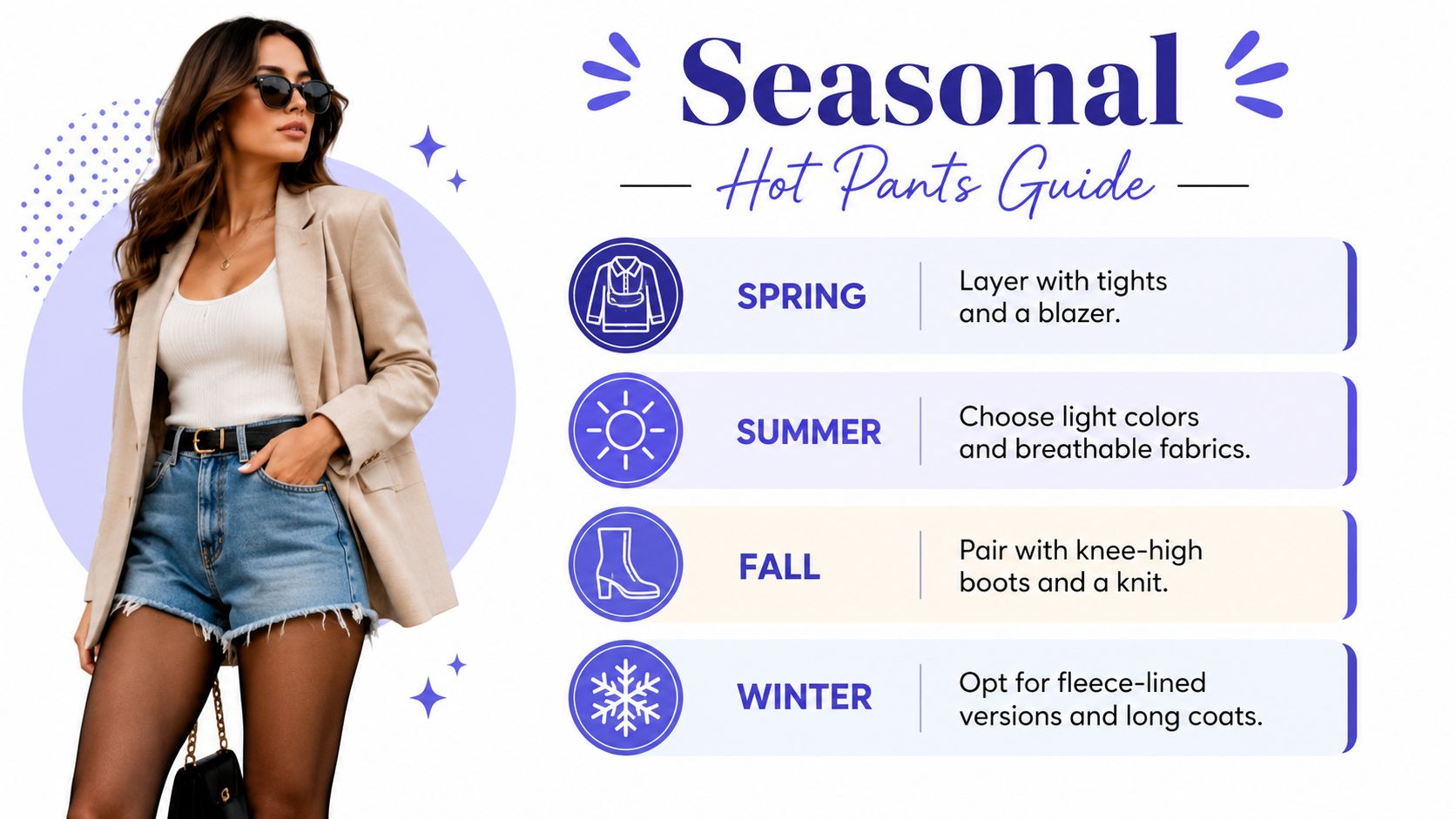
Hot pants can work beyond summer if you treat the season as a styling cue instead of a hard rule. Spring is the easiest entry point because the temperature supports bare legs with a light layer on top. From there, the formula changes through fabric weight, shoe choice, and how much skin you leave open.
The weather logic that truly helps
For hot days, choose breathable woven fabrics, looser fits, and light colors. Lighter fabrics dry faster, pale shades reflect more sunlight, and tight synthetic pieces trap heat and moisture, as noted earlier. If you're shopping for summer, white, tan, khaki, or similar tones usually look and feel better than dark, clingy styles.
For really sunny days, UPF-rated pieces make sense. They're designed and tested for sun protection, and they're a smart pick when you'll be outside for a while. If you're choosing between fashion heat and literal heat, pick the outfit that doesn't fight your skin.
How to rotate the same pair across seasons
Spring gets a blazer or a light knit. Summer gets a tank, a breezy shirt, or a short-sleeve top. Fall gets knee-high boots and a heavier layer, which pushes the shorts into a sharper, colder-weather lane. For winter, if you wear them indoors, heavier fabrics and long coats keep the outfit from feeling disconnected from the season.
A useful rule is to match exposure with weight. The more leg you show, the more substance the rest of the outfit needs. Leather and thicker materials can help in cooler weather, while lighter woven fabrics belong in warm conditions. If you're trying the look on screen before you buy, test the same pair with one warm-weather top and one heavier layer. That preview usually makes the right season balance obvious.
Common Mistakes and How to Fix Them
The biggest hot-pants mistakes are not subtle. You can see them instantly in the mirror, and that's good news because they're easy to fix. Most bad outfits come from too much tension in the silhouette, not from the shorts themselves.
The fails I'd stop immediately
Too many tight pieces together.
If the shorts are tiny, don't pair them with a tight top and sky-high heels unless you want the outfit to look hyper-styled. Add coverage up top instead. A looser blouse or a fitted blazer cools the whole look down.
An oversized blazer that's the same length as the shorts.
That shape swallows the outfit and makes the legs look disconnected. The fix is a shorter or more fitted blazer, one that gives structure instead of bulk.
Cheap-looking stretch denim.
This is the fastest way to make hot pants look disposable. Swap to a better fabric with more body, something that holds a line instead of collapsing around the hips.
Shoes that overpower the legs.
Very high heels can make the whole outfit feel forced. Drop to a lower-profile shoe if the rest of the look is already dramatic. Loafers, ballet flats, and sleek boots usually solve more problems than they create.
If the outfit feels loud in three places at once, one of those pieces has to go.
I catch these issues visually before I leave by doing one final mirror check with the full outfit on. If I can't point to the focal point in one sentence, the outfit isn't finished yet. That check saves me from leaving the house in something that looks like three separate ideas fighting each other.
Previewing Looks Before You Buy
The easiest way to style hot pants better is to preview the whole outfit before you spend money. Upload a photo, generate a try-on in seconds, and see how the shorts look with the top and shoes together, instead of guessing from three different product pages. The visual check matters more than the size label here, because you're judging the style, not whether a number on a tag works for you.
A tool like TryThisFit does that without making you open a bunch of tabs or build the look manually from scratch. Its free Chrome extension works by right-clicking product images on shopping sites like Zara, H&M, Amazon, Shein, Vinted, and Depop, and it installs in seconds at the Chrome extension page. Flat-lay clothing photos work best for the most accurate results, so pick clean product images whenever you can.
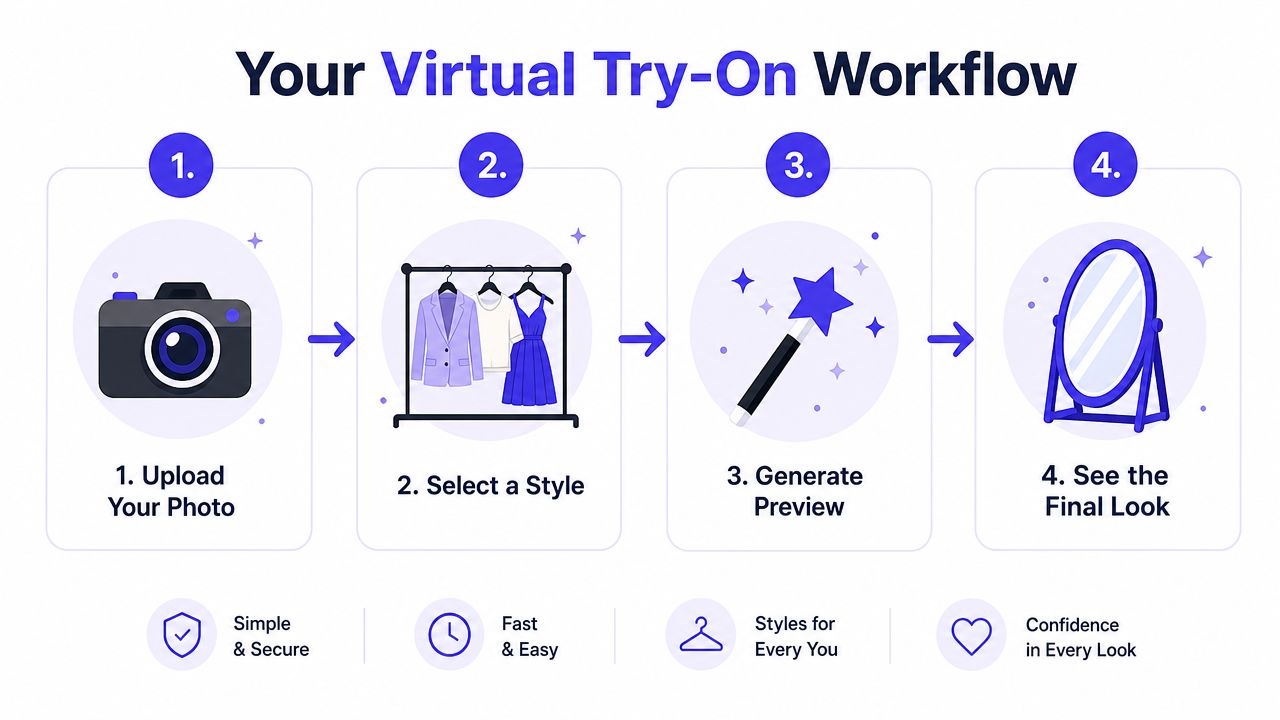
If you save a look, you can revisit it later in your try-on history. That makes it easier to compare versions of the same outfit without starting over every time. For the fastest results, I'd start on the main page at TryThisFit and preview the exact vibe you want before you commit.
<iframe width="100%" style="aspect-ratio: 16 / 9;" src="https://www.youtube.com/embed/g9ICLvwyGgk" frameborder="0" allow="autoplay; encrypted-media" allowfullscreen></iframe>TryThisFit lets you see how hot pants outfits look on you before you buy, so you can compare tops, shoes, and layers without guessing. If you're building a look for Zara, H&M, Amazon, Shein, Vinted, or Depop, start at TryThisFit and preview the style in seconds.
Try Virtual Try-On Now
See how clothes look on you before you buy - works with any online store
Get Started Free