User Generated Content: Your Guide to Style Inspiration
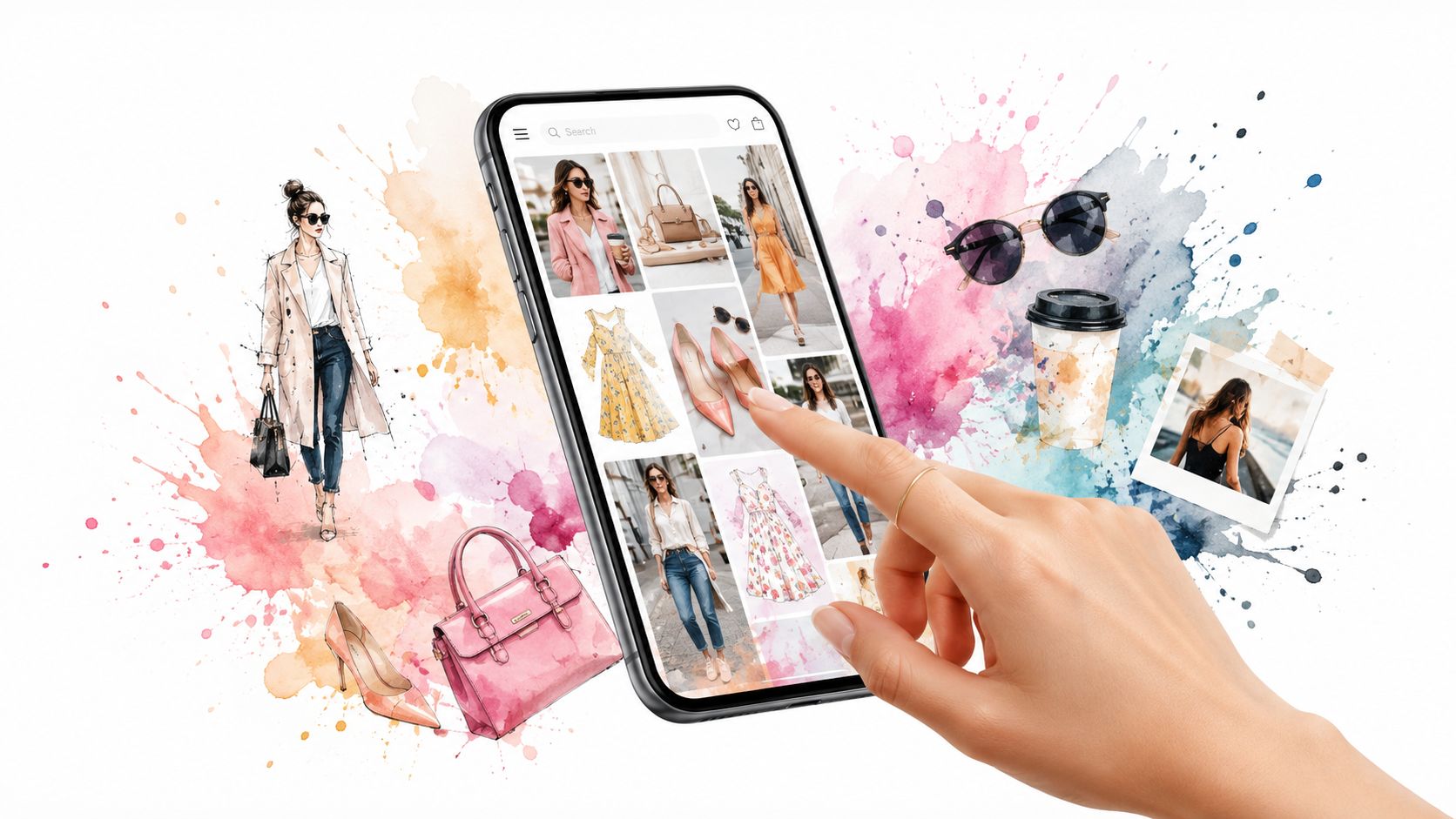
You're probably doing this already.
You spot a coat on TikTok, save a mirror selfie from Instagram, zoom in on a Vinted listing, then scroll straight to the review photos on Amazon before you even read the product description. That habit has a name, and it matters a lot more than most shoppers realize.
The name is user generated content, and in fashion, it's basically the internet's giant shared dressing room. It's the outfit post from someone with your height vibe. It's the chaotic unboxing video that shows its true color. It's the review photo that answers the question the model shots never do, which is simple: what does this look like in normal life?
What Is User Generated Content Anyway
User generated content means photos, videos, reviews, and posts made by regular people instead of the brand itself. In fashion, that includes outfit selfies, haul videos, try-on clips, review photos, styling posts, resale listings, and even “I wore this to dinner” updates.
That sounds like a marketing term, but for shoppers it's much more practical. It's how you check whether a satin skirt looks slinky or stiff. It's how you notice that a blazer feels polished on one person and edgy on another. It's how you borrow style ideas from strangers without needing a fashion degree.
A lot of readers get confused here because they think user generated content only means influencer content. It doesn't. A polished creator video can count, but so can a quick phone photo in bad lighting if it was made by a real customer showing a real item in real life.
By 2033, an estimated 78% of all online content is projected to be user-generated, and 82% of consumers say they're more likely to buy from a brand that actively uses UGC in its marketing materials according to Salesgenie's UGC statistics roundup. That tells you something important. The internet is moving away from polished brand-only messaging and toward peer-made proof.
Why this matters when you shop
When you shop for clothes online, you're not just buying fabric. You're buying a visual idea of yourself. Brand photos try to sell that idea, but user generated content lets you test it against reality.
Here's a simple explanation:
- Brand photos are the mannequin
- User generated content is the friend who tried it on
- Your saved posts become your personal mood board
User generated content turns shopping from “trust the product page” into “compare the fantasy with real life.”
If you want a broader marketing view before bringing it back to fashion, this guide can help you understand user-generated content. For style shoppers, the useful part is this: UGC helps you see how clothes live outside the studio.
The Different Flavors of UGC in Fashion
Fashion UGC isn't one thing. It's more like a snack board. Some pieces are inspirational, some are practical, and some save you from buying something that only looked good under expensive lighting.
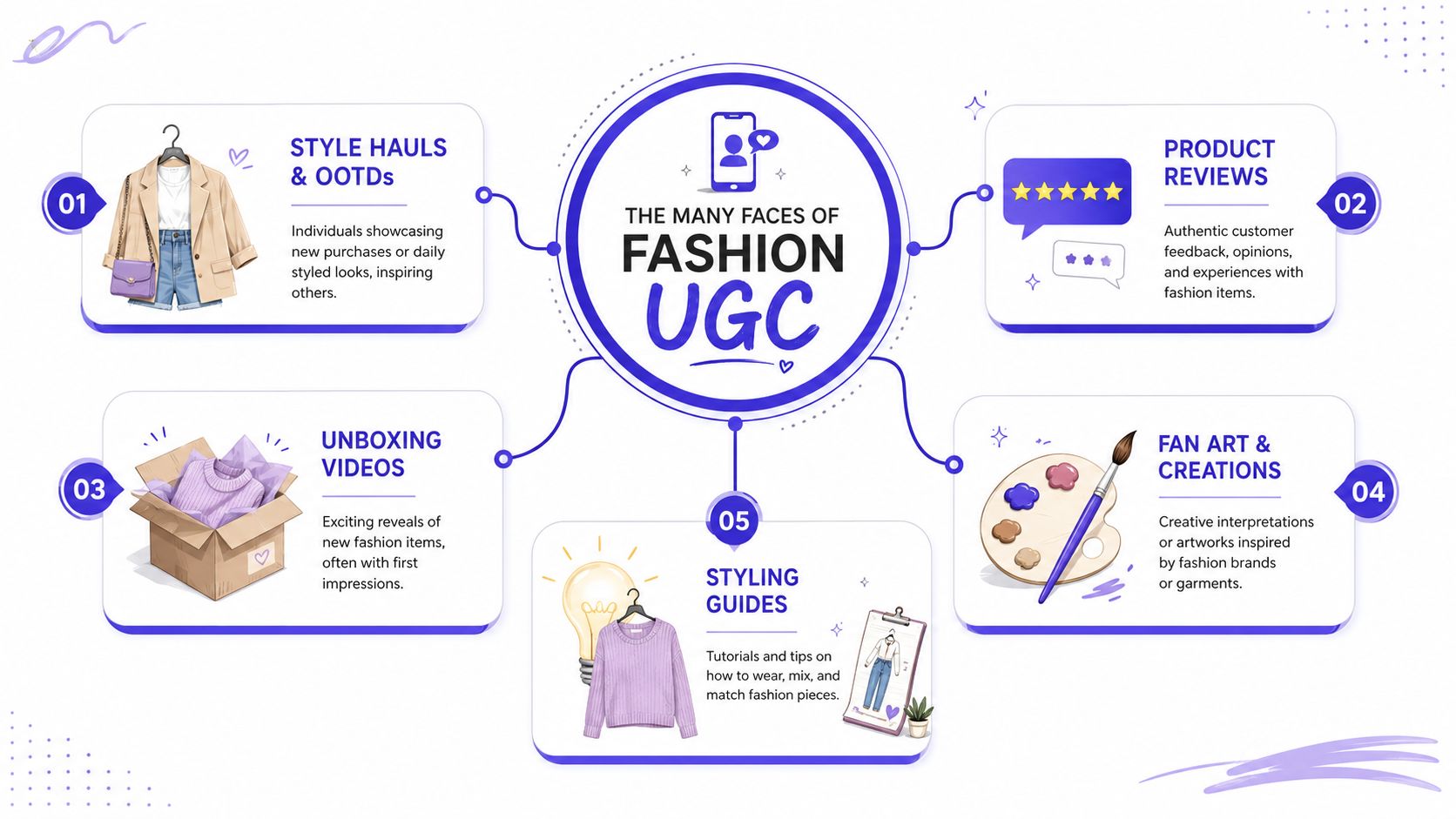
Style posts and outfit selfies
This is the most familiar type. Think #OOTD posts, mirror selfies, “get ready with me” clips, and casual outfit dumps on Instagram, TikTok, or Pinterest.
These aren't always detailed, but they're gold for visual direction. You might not learn much about fabric quality, yet you'll quickly see whether a bomber jacket feels sporty, sleek, oversized, or retro depending on how people style it.
Hauls and unboxings
Hauls are less curated and often more revealing. Someone opens a package, holds up each item, comments on the color, and maybe throws on a quick try-on.
That matters because motion tells the truth. A dress can look elegant in a still photo and completely different when someone walks, twists, or lifts an arm.
Reviews with photos
Fashion UGC gains practical value, becoming less dreamy and more useful. Product reviews with customer photos help you compare the official image to what arrived at someone's door.
On marketplaces and large retailers, these often become the deciding factor. If you shop on Amazon fashion, review images usually tell you more about styling reality than the first gallery image does.
Resale listings and closet clean-outs
Secondhand fashion is packed with accidental UGC. Vinted, Depop, Poshmark-style listings, and personal resale pages often show clothes in bedrooms, hallways, or quick mirror snaps.
That makes them imperfect, but also revealing. You're seeing the item after shipping, after wear, and outside a campaign set.
Styling guides from regular people
Some shoppers naturally become mini stylists. They post “3 ways to wear wide-leg trousers” or “how I styled this Zara vest for work and brunch.”
Those posts are useful because they don't just show the item. They show the item in a system.
| Type of UGC | Best for | Limitation |
|---|---|---|
| Outfit selfies | Style inspiration | Less product detail |
| Hauls and unboxings | Movement and first impression | Can be rushed |
| Review photos | Reality check against product page | Styling may be basic |
| Resale listings | Secondhand discovery | Image quality varies |
| Styling guides | Outfit ideas and pairing | Not always item-specific |
The most useful fashion UGC usually answers one visual question well. How does it look in motion, in real light, or in a real outfit?
Text reviews still matter, especially when people mention quality or color. But when your goal is personal style, visual UGC usually carries more weight because fashion is a seeing game before it's a reading game.
Why Brands Love UGC and Why You Should Too
Brands love user generated content because it performs like social proof with a pulse. It doesn't feel like a campaign first. It feels like evidence.
UGC shows a 28% higher engagement rate than branded content, and some UGC posts generate 6.9 times more engagement than company-made content. The same source says 93% of marketers report that UGC performs better than brand-generated content according to Archive's breakdown of UGC performance.
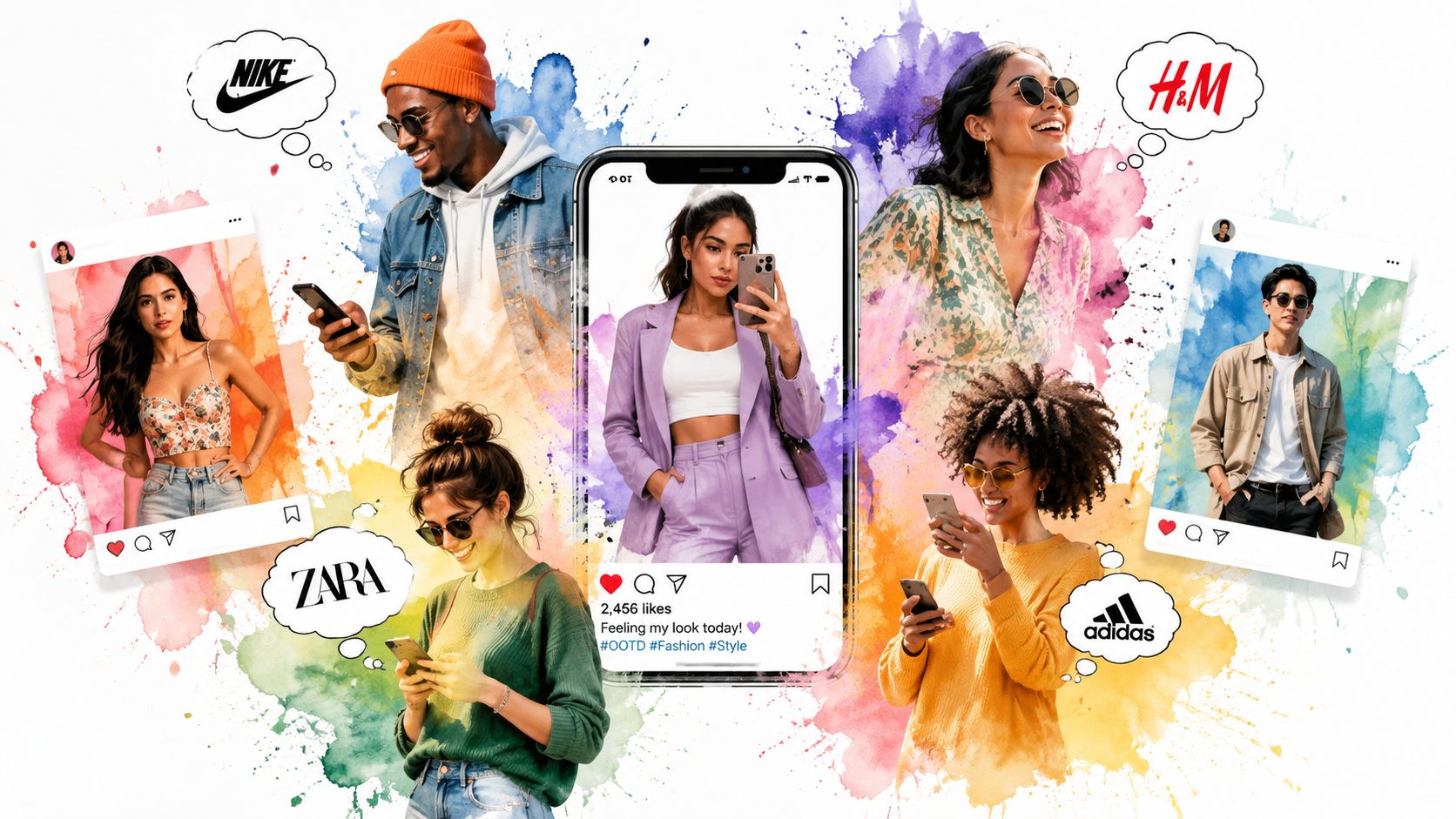
That stat explains the brand obsession, but the shopper angle is even more interesting. When a brand includes real customer photos, it's giving you a less filtered view of the clothes. You get to see wrinkles, proportions, awkward room lighting, and everyday styling choices. Those details are helpful.
What shoppers gain from all this
UGC helps you shop with more visual confidence because it fills in the blanks left by polished product imagery.
- You see more body variety: One studio model can't show every vibe. Real shoppers bring range.
- You get styling clues: A cardigan on a model is one look. A cardigan layered by five different people becomes five possibilities.
- You spot real-life texture: Sequins, knits, linen, faux leather, and satin all behave differently outside the studio.
- You notice context: Office outfit, date night outfit, airport outfit, rainy day outfit. Real people show clothes in situations.
Why this changes brand trust
A product page without customer visuals can feel like shopping from a catalog behind glass. UGC cracks the glass. It lets shoppers inspect how the item lives in motion and in real wardrobes.
That's one reason so many companies want it. If you're curious about the business side without getting buried in jargon, this practical piece on how to build authentic brands with UGC offers a useful lens.
For shoppers, the key takeaway is simpler. Good UGC makes a brand look less like it's talking at you and more like customers are talking to each other.
A related point shows up when people think about conversion. If you want a closer look at how shopper behavior connects to product-page confidence, this piece on ecommerce conversion rate is worth a read.
From Inspiration to Action with Virtual Try-On
Here's the gap most fashion UGC leaves open. You can admire a look on someone else all day and still have no clear sense of whether that style suits your own photo, proportions, or vibe.
That's especially annoying with secondhand shopping. A jacket on Depop might be cool. A flat-lay blouse on Vinted might be exactly your color. But there's still a leap between “I like this” and “I can picture this on me.”
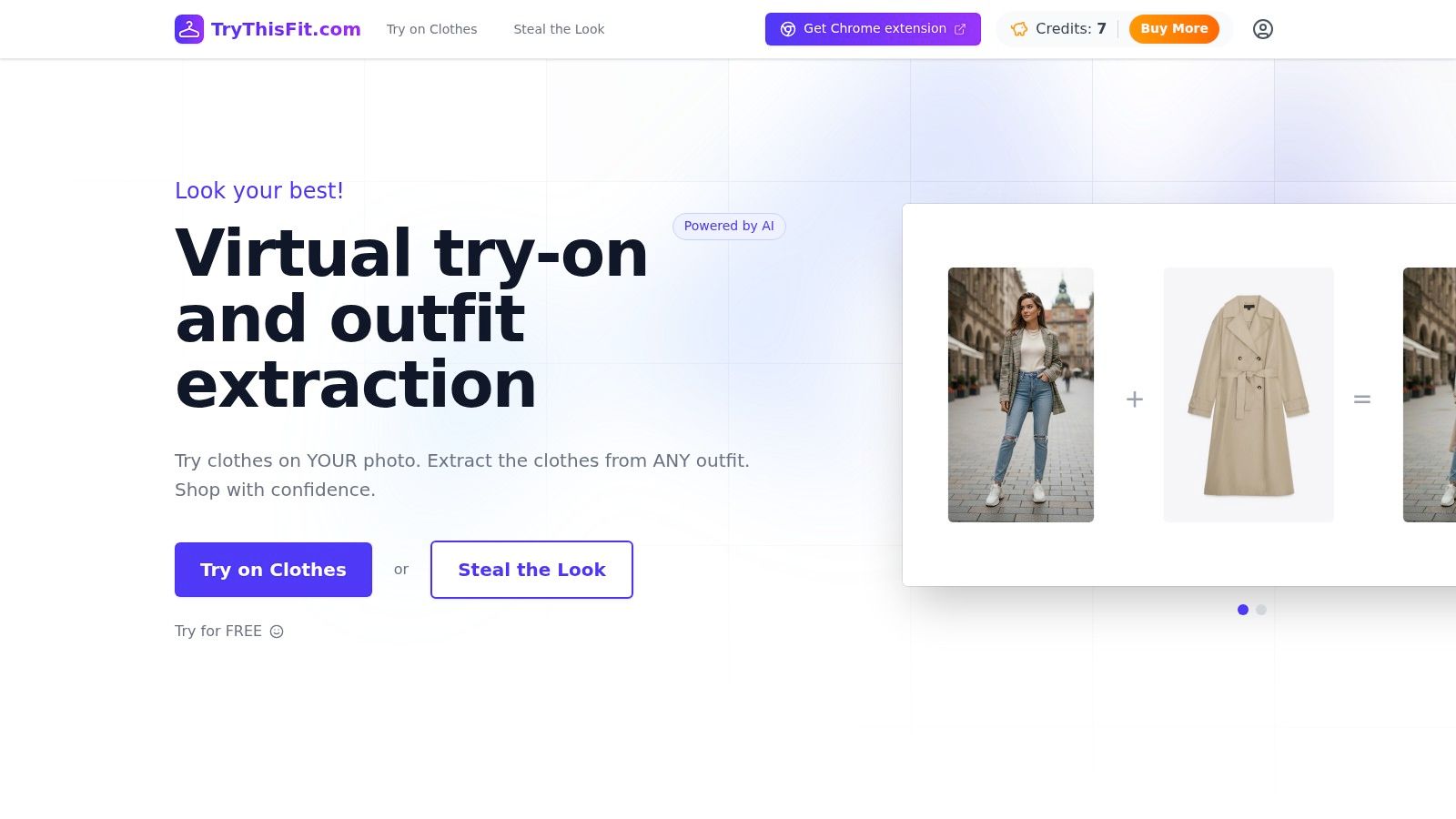
One of the clearest ways to think about virtual try-on is as the missing bridge between inspiration and decision. You start with the UGC that caught your eye, then use a tool to see how it looks, visualize the style, and preview the appearance on your own image before buying.
The problem UGC still doesn't solve on its own
A useful insight from Yotpo's article on user-generated content strategy is that most UGC ignores the gap between visual authenticity and fit accuracy. The same piece notes that adding customer photos increases purchase likelihood by 137%, but most of that content still focuses on social proof rather than helping shoppers visualize non-model or flat-lay product photos in a more personal way.
That matters for fashion because seeing “real people wore this” isn't always enough. You still want to answer your own question, which is not “Did this look nice on a stranger?” but “What kind of look would this create on my photo?”
Where virtual try-on becomes useful
A tool like virtual try-on becomes practical rather than gimmicky. Instead of stopping at saved inspiration, you can turn a product image into a personal style preview.
That's especially handy in situations like these:
- Secondhand shopping: Sellers often post one-off photos, hanger shots, or flat-lays.
- Fast browsing on big stores: You move through Zara, H&M, Shein, and Amazon quickly, but you still want a visual gut check.
- Costume planning: Halloween and themed outfits are fun, but hard to picture from the product image alone.
- Style experiments: Maybe you never wear trench coats, cargo skirts, or bold prints. A preview lowers the hesitation.
Practical rule: Virtual try-on is strongest when you use it to preview style and silhouette, not to promise exact sizing.
A short demo makes the jump from idea to use much easier to grasp.
<iframe width="100%" style="aspect-ratio: 16 / 9;" src="https://www.youtube.com/embed/g9ICLvwyGgk" frameborder="0" allow="autoplay; encrypted-media" allowfullscreen></iframe>Why convenience matters so much here
Speed is the key. If trying an outfit preview takes too many steps, many users will disengage. They'll just keep opening tabs and hoping for the best.
That's why browser-based try-on has become such an appealing shopping habit. A fast workflow lets you move from “saved for later” to “I can clearly picture this” while you're still on the product page, still comparing colors, and still in decision mode.
How to Find the Best UGC for Try-Ons
Not every image gives a great try-on preview. The best results usually start with the right kind of source image, a common hurdle for many shoppers.
If your goal is to see how it looks instead of just collecting inspiration, choose images that show the garment clearly. That sounds obvious, but many social posts are more about mood than visibility.
The best places to look
For style ideas, social platforms are still strong. Search for outfit tags, save posts to a board, and check brand-tagged photos.
For actual try-on input, product pages and resale listings are often better because the clothing is easier to isolate visually.
- Retailer product galleries: Zara, H&M, Bershka, Shein, and similar stores often include clean item shots.
- Marketplace listings: Amazon and resale platforms can be great when the garment is laid out clearly.
- Seller photos on Vinted and Depop: These are especially useful when the item is rare, older, or sold out elsewhere.
- Pinterest boards: Good for inspiration, but image quality and cropping vary.
Why flat-lays work so well
TryThisFit's guidance on image quality recommends flat-lay product photos, meaning clothes laid flat or shown on hangers, for the most accurate AI virtual try-on results. The same guidance notes these are common on major sites like H&M, Zara, Bershka, and Amazon, and they reduce technical issues.
That's a big clue for shoppers. A flat-lay is clean, centered, and focused on the item itself. It gives the tool a better visual starting point than a busy photo with hands, hair, furniture, and dramatic angles.
A quick image checklist
Before you use an item for a style preview, check for these qualities:
- Clear garment shape: Sleeves, neckline, hem, and overall outline should be visible.
- Simple background: White or uncluttered backgrounds usually behave better than chaotic ones.
- Minimal obstruction: Avoid images where bags, arms, or furniture cover the clothing.
- Front-facing view: Straight-on shots tend to be easier to interpret than twisted angles.
If the clothing image looks easy for a human to understand at a glance, it's usually a better candidate for a strong visual preview too.
If you're browsing and want to identify similar pieces from an image first, a tool that lets you find clothes by photo can help narrow the search before you move to visualization.
One important reminder
A style preview helps you preview the appearance of a garment on your image. It doesn't replace checking the size chart, fabric notes, or seller comments. Think of it as a visual styling step, not a measurement step.
The Ethical and Legal Side of Using Content
A lot of people worry about this, and the basic rule is pretty friendly. Using an image privately for your own style discovery is different from reposting someone else's content publicly.
If you save a product photo, a resale listing, or an outfit image so you can explore how a style might look on you, that's personal use. You're not presenting it as your own work or publishing it to build an audience.
Personal use versus public sharing
The line gets sharper when content leaves your private shopping process.
| Use case | Usually fine for personal style discovery | Needs permission or credit |
|---|---|---|
| Saving a product image for yourself | Yes | No |
| Using an image to preview an outfit privately | Yes | No |
| Reposting someone's photo on a brand page | No | Yes |
| Publishing a creator's image in a campaign | No | Yes |
The reason people mix this up is that fashion content travels fast. A screenshot feels casual, but once you publish someone else's photo on a public account, you're no longer just browsing. You're distributing someone else's work.
The key limit of try-on tools
Another helpful boundary is what the preview itself means. TryThemOn's explanation of virtual try-on makes this point clearly: these tools provide a visual preview of style, silhouette, and overall look, not exact sizing or fit confirmation, and they don't replace size charts or measurements.
That's a useful ethical reminder too, because it keeps expectations honest. A preview can help you decide whether a leather jacket looks sleek, relaxed, cropped, or dramatic on your image. It can't promise the exact feel, comfort, or measurement outcome of the actual garment.
Respect the creator when you share publicly. Use the image freely when you're simply deciding what style direction you want for yourself.
Build Your Dream Wardrobe with UGC
User generated content is much more than social noise. For fashion lovers, it's a giant living lookbook made by people who wear, style, review, resell, and reimagine clothes in everyday life.
That makes it useful in a very personal way. You're not just gathering opinions. You're collecting visual evidence. One saved haul gives you color ideas. One resale listing shows the item outside a campaign set. One customer photo helps you decide whether the vibe is polished, romantic, sharp, relaxed, or playful.
The smartest way to use UGC is to treat it like raw style material. Save what catches your eye. Compare how the same kind of piece looks across different people and settings. Use visual previews to narrow down which styles you want to wear, then keep your favorites so you can compare them later in your saved try-on history.
That's how online shopping gets less random. You stop guessing from polished product pages alone and start building a wardrobe with a clearer visual point of view. You save time, make stronger style calls, and cut down on purchases that looked exciting in theory but not in practice.
If you want to turn all that fashion inspiration into something you can use, try TryThisFit. You can preview how clothes look on your photo in seconds, test styles from everyday shopping sites, and explore ideas without creating an account. If you browse a lot, install the free Chrome extension. It works on any site, lets you right-click product images from stores like Zara, H&M, Shein, Amazon, Vinted, and Depop, and gives you an instant preview while you shop.
Try Virtual Try-On Now
See how clothes look on you before you buy - works with any online store
Get Started Free