Virtual Clothing Models: A Shopper's Guide for 2026
You're probably doing this right now. You open Zara, H&M, Amazon, Shein, Vinted, or Depop, spot something amazing, then freeze because the product photo tells you almost nothing about how that piece will look on you.
That little pause is where virtual clothing models get interesting. Instead of guessing from a model photo, I can use an app to preview the appearance of a dress, jacket, costume, or secondhand find on my own photo in seconds. It feels a bit like bringing the fitting room to the product page, except the goal is style visualization, not sizing promises.
Your Personal Shopping Revolution
I'm on a product page, one tab from Zara, another from Depop, and a third from Vinted. I like the clothes. I just do not trust my imagination enough to spend money on them.
That is the shift virtual clothing models create for shoppers. Instead of styling everything in my head, I can preview how a piece might look on me and make a faster, calmer decision. It feels a lot like holding a shirt up in front of a mirror, except the mirror lives inside the app and works across almost any store page I visit.
Why this feels bigger than a novelty
This change is showing up at market level too. The global virtual try-on market was estimated at USD 9.17 billion in 2023 and is projected to reach USD 46.42 billion by 2030, according to Grand View Research's virtual try-on market report.
Analysts at Grand View Research are tracking a market that is growing because shoppers want more than a flat product photo. I want a visual answer to a simple question. Does this piece create the mood I want on my body, with my proportions, in my everyday life?
That shopper-first angle matters. A lot of writing about this topic focuses on what brands save on photo shoots. I care more about what I can do right now on any site, including marketplaces that only have a flat-lay image.
Shopping feels easier once I stop guessing and start seeing.
Where the experience becomes powerful
The wow factor is speed.
I can grab a resale dress, a vintage jacket, or even a costume listing and get a visual preview in seconds. The result is not a sizing guarantee. It is a style preview, which is often the missing piece that keeps me stuck between "maybe" and "buy."
That is also why tools around this space are starting to connect. One app can help me see the outfit, while another service can generate fashion size profiles for fit-related shopping decisions. Together, they make online shopping feel less like gambling and more like trying things on with intent.
TryThisFit is one example of the kind of app that makes this idea click fast. The first useful surprise is not the AI itself. It is seeing a flat product photo from a random listing turn into something personal.
What Exactly Are Virtual Clothing Models
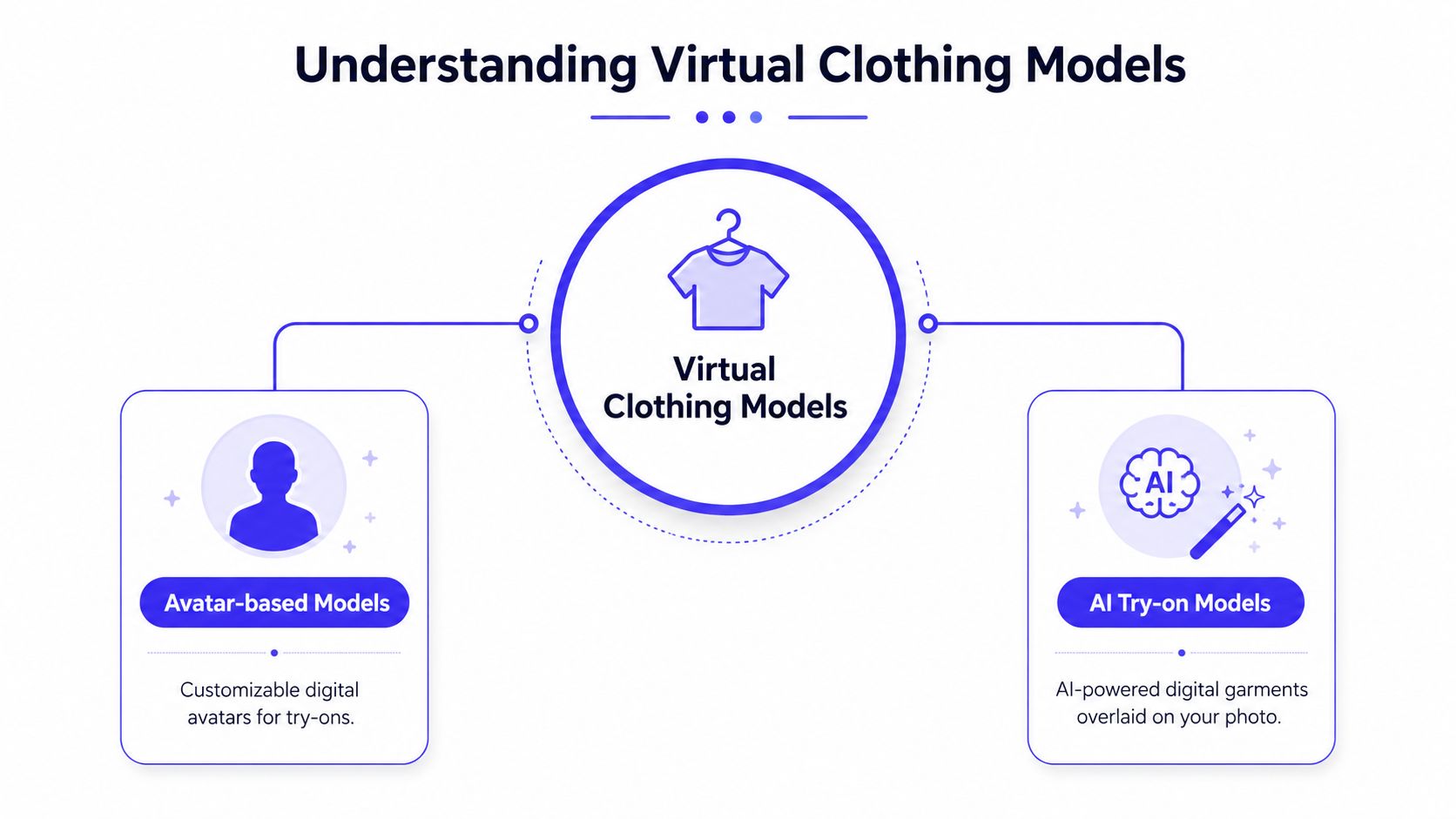
The phrase virtual clothing models can sound abstract, but it's describing two very different experiences.
One type is brand-facing. A retailer uses digital models to show clothes without booking a full shoot. The other type is shopper-facing, which is the one I care about most. That's where I become the model and preview how an item looks on my own image.
Two versions of the same idea
Here's the easiest way to separate them:
| Type | Who uses it | What it does |
|---|---|---|
| Avatar-based models | Brands or apps | Uses a digital body or character to show outfits |
| AI try-on models | Shoppers | Places the clothing visually onto your photo so you can preview the style |
Avatar systems can be fun, but they often feel a little distant. A personalized AI try-on feels more useful because I'm not asking, “Would this look good on a generic figure?” I'm asking, “How does this style look on me?”
What it can do and what it can't
Many often confuse the purpose of virtual try-on. It is about how clothing looks and the style it creates, not whether the garment will physically fit by measurement. TryThisFit's guide to virtual outfits makes that distinction clearly, and it's the right one.
So when I use a virtual clothing model, I'm looking for things like:
- Silhouette: Does the coat look sleek, oversized, or bulky?
- Color impact: Does this shade work with my skin tone and hair?
- Styling mood: Does the piece feel casual, polished, dramatic, soft, or playful?
- Outfit direction: Is this something I'd wear, or just admire on the listing?
Practical rule: Use virtual try-on to preview appearance. Use size charts and product details for measurement decisions.
Why this matters for real shoppers
This shift gives shoppers more control. I don't have to rely only on the brand's chosen model, pose, or styling choices.
If you're also trying to understand the size-planning side separately, tools that generate fashion size profiles can help organize measurements and preferences. That's a different job from virtual try-on, but the two ideas complement each other well.
How The Magic Happens Behind The Scenes
A lot of people assume this only works with expensive 3D scans or studio photography. That was a common idea for a while, but it's not how most shoppers will typically use these tools.
The more practical version is much simpler. I give the app a photo of myself and a clothing image, then the AI maps the garment onto my image to create a visual preview.
Why flat-lay photos work so well
This is the part I love because it opens the door to real shopping behavior. You don't need special 3D assets or polished campaign images. WearView's explanation of virtual models notes that standard smartphone pictures and flat-lay, hanger, or ghost mannequin photos can work for accurate style previews.
Flat-lays usually work best because the garment shape is easier for the AI to read cleanly. There's less visual noise, fewer folds caused by a human pose, and a clearer outline of sleeves, hems, necklines, and proportions.
That matters a lot on places like Vinted, Depop, and Shein, where the photo quality varies wildly.
The simplest way to picture the process
Consider it this way:
- The app reads your photo so it understands where your body is in the image.
- It reads the clothing image so it can identify the shape, pattern, and visible details.
- It blends those together to preview how the item appears on you.
Some systems get very advanced under the hood, and if you're curious about the broader concept of image transformation with Stable Diffusion, that helps explain why modern image-to-image tools feel so much more natural than older cut-and-paste overlays.
What makes a result look believable
The biggest quality test isn't whether the output looks flashy. It's whether the garment still feels like the same garment.
I want the neckline to stay recognizable. I want the print placement to make sense. I want the jacket to read like the jacket from the listing, not a vague AI reinterpretation.
That's also why input quality matters so much more than people think:
- Use clear photos: Blurry product shots confuse the garment shape.
- Prefer natural light: Heavy shadows can hide edges and details.
- Pick flat-lays when possible: They usually give the cleanest style preview.
- Avoid cluttered backgrounds: Extra objects make the clothing harder to isolate.
If you want to experiment with this type of workflow directly, the AI image-to-image page shows the kind of transformation flow people use for these previews.
See Yourself In Any Style Instantly
I'm scrolling late at night, spot a jacket on a brand site, then a vintage blazer on Depop, then a weirdly amazing flat-lay on Vinted. I don't want to save screenshots, open editing software, and turn shopping into homework. I want to see the clothes on me while the idea is still fresh in my head.
That is the shopper-side revolution.
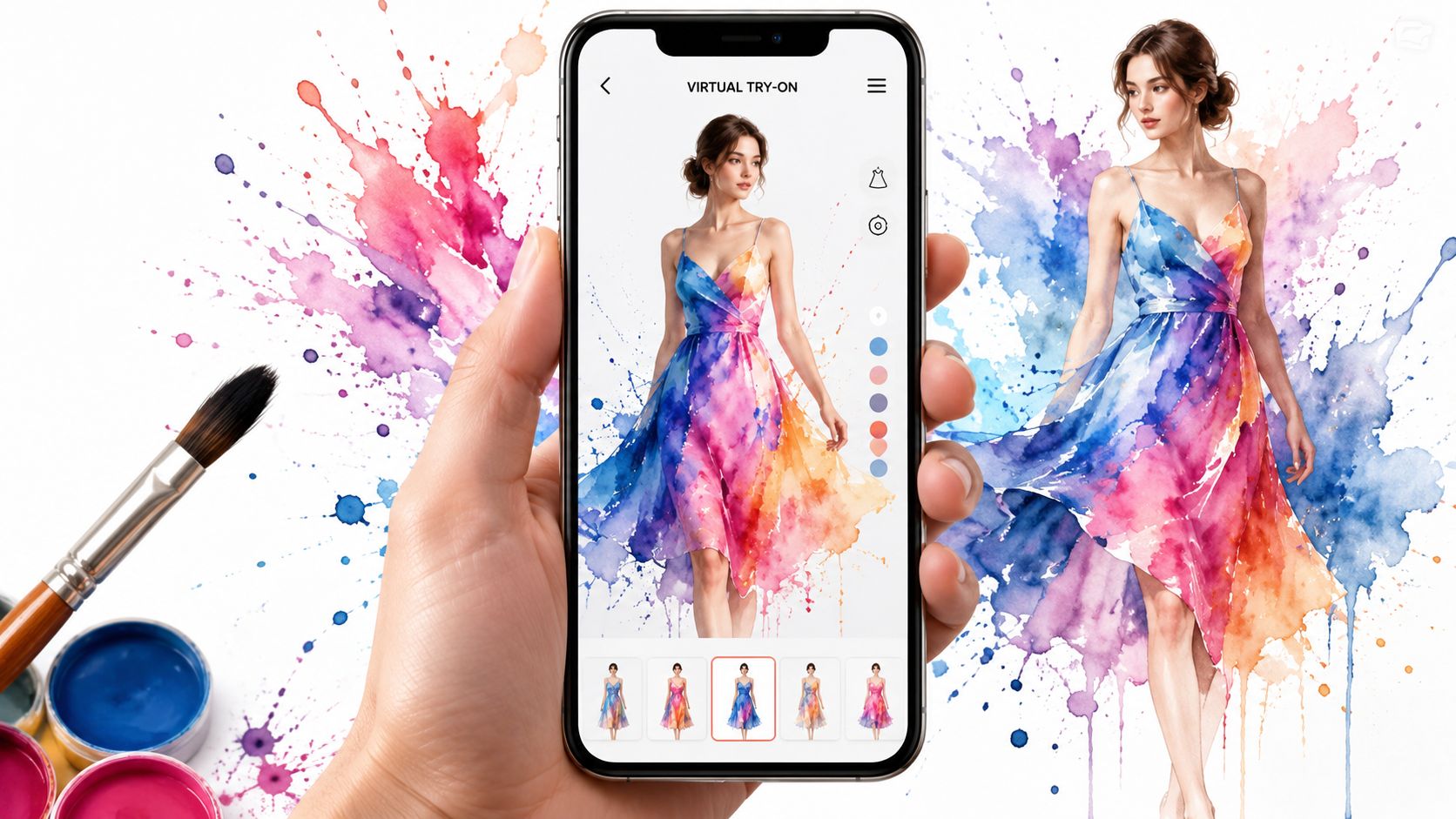
The right-click moment makes it feel real
The jump from “interesting tech” to “I'd put this to use” happens when the process gets fast. Browser extensions can add actions to Chrome's right-click menu, as explained in this overview of Chrome context menu behavior. That small detail matters more than it sounds.
It turns the whole internet into a fitting room.
I can browse Zara, H&M, Shein, Vinted, Depop, or even Amazon fashion picks, right-click an image, and send it into a preview flow while I'm still deciding how I feel about the piece. That is the unique part most articles skip. I am not waiting for a brand to build a custom experience for its own store. I can use the same idea across almost any shopping site right now, including secondhand marketplaces that only have flat-lay photos.
How I'd use it in normal life
A good preview tool fits into real shopping habits, not some polished demo. For me, it looks like this:
- On a brand site: I check whether the cut feels sharp, oversized, soft, or just wrong on me.
- On Vinted or Depop: I use flat-lay listings to test secondhand finds that would otherwise be pure guesswork.
- For events or costumes: I can tell whether a look reads dramatic, playful, flattering, or chaotic before I buy anything.
- While comparing options: I move through several similar items quickly instead of trying to mentally simulate each one.
If you want a direct example, TryThisFit's virtual try-on experience lets the app generate a personal style preview from your photo and the clothing image. That shopper-first workflow also pairs well with creator-style experimentation, which is part of why directories like Famcut recommended creator platforms are interesting to watch. They show how fast visual shopping tools and creator tools are starting to overlap.
The magic is not just seeing one outfit. It is being able to test ideas at the exact moment curiosity hits.
A quick look at the flow
The easiest way to understand the experience is to watch it in action.
<iframe width="100%" style="aspect-ratio: 16 / 9;" src="https://www.youtube.com/embed/dwp4yktt-dw" frameborder="0" allow="autoplay; encrypted-media" allowfullscreen></iframe>Why this matters even before checkout
I don't only use this to answer “Should I buy it?” A lot of the value comes earlier.
Sometimes I'm trying to answer smaller, more personal questions. Does this neckline suit me? Does this color brighten my face or flatten it? Does that secondhand piece have real potential, or do I only like the idea of it on the hanger? A fast preview gives me a rough mirror for those decisions.
That is why instant feedback feels so addictive. The app shortens the gap between seeing something interesting and seeing myself in it. Once that gap disappears, online shopping feels more playful, more visual, and much closer to trying things on in real life.
Why Online Stores Are Embracing This Trend
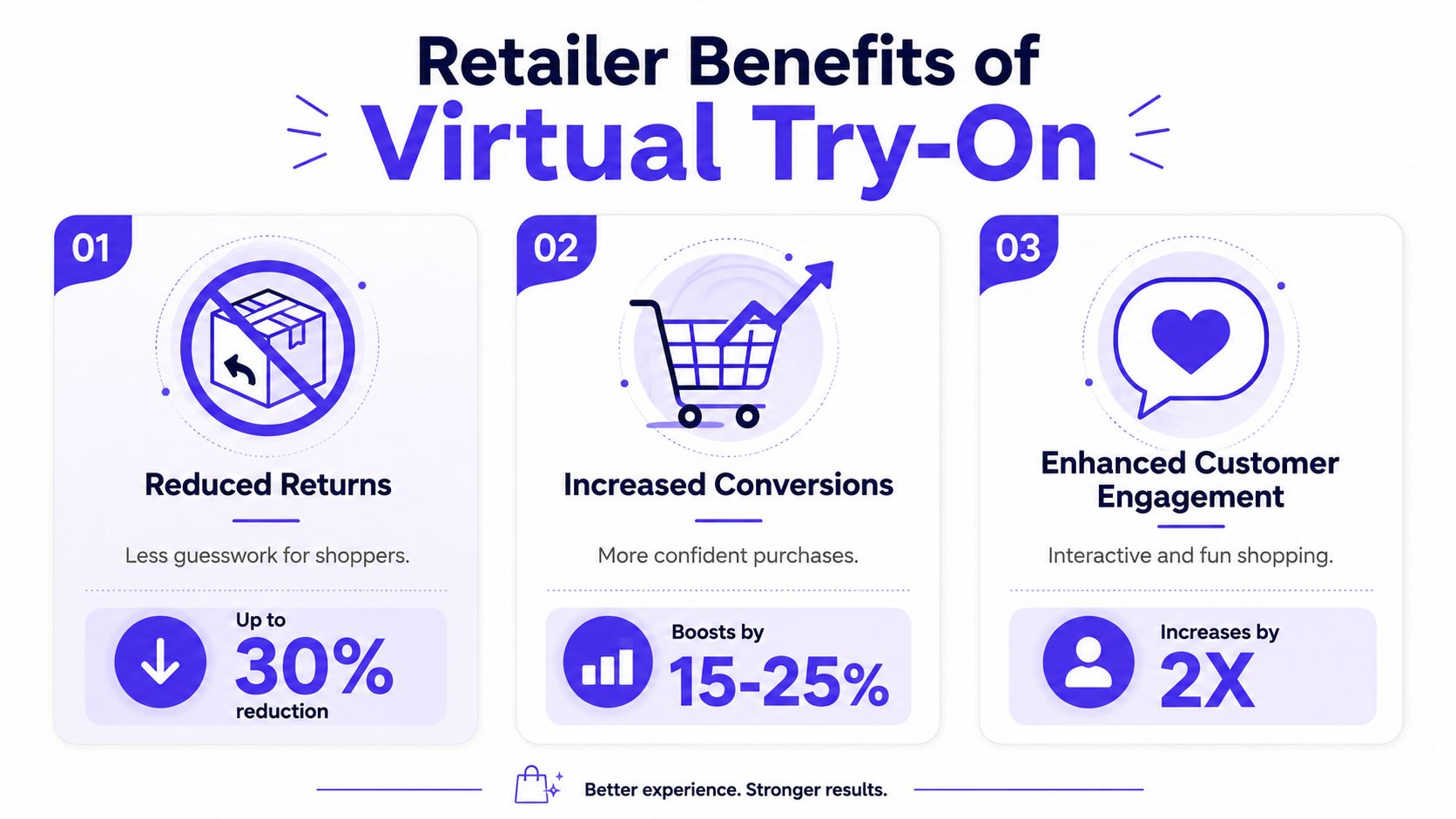
Retailers aren't adopting virtual clothing models just because the visuals look futuristic. The business case is strong, and that affects shoppers because it changes how products get presented online.
The big shift is speed. If a brand can create more product imagery with less overhead, shoppers see more variety, more styling views, and a faster-moving catalog.
Why brands are moving fast
AI-generated fashion models can reduce brand photography costs by over 95%, according to MetaModels' write-up on AI models in fashion. That same source notes that retailers including H&M, Levi's, Guess, Valentino, and Balenciaga have already integrated these models into e-commerce and marketing work.
For a shopper, that means this is no longer fringe technology. It's becoming part of the visual layer of online retail.
What shoppers get out of that shift
When brands adopt this workflow, a few practical things happen:
- More visual options: Stores can show more products and more variations without needing a full shoot for each one.
- Faster product launches: New items can appear online sooner, which matters in trend-driven categories.
- Broader representation: Brands can experiment with more model variety and styling contexts.
There's also a creator angle here. As retailers produce more digital-first visuals, they often lean on new content workflows and partnerships. If you're curious how that side of the ecosystem is evolving, Famcut's recommended creator platforms offer a useful look at where fashion-related content creation is heading.
When stores can create visuals faster, shoppers spend less time decoding a product page and more time deciding whether the style suits them.
Accuracy Privacy And Other Big Questions
Virtual clothing models are exciting, but the smartest way to use them is with clear expectations.
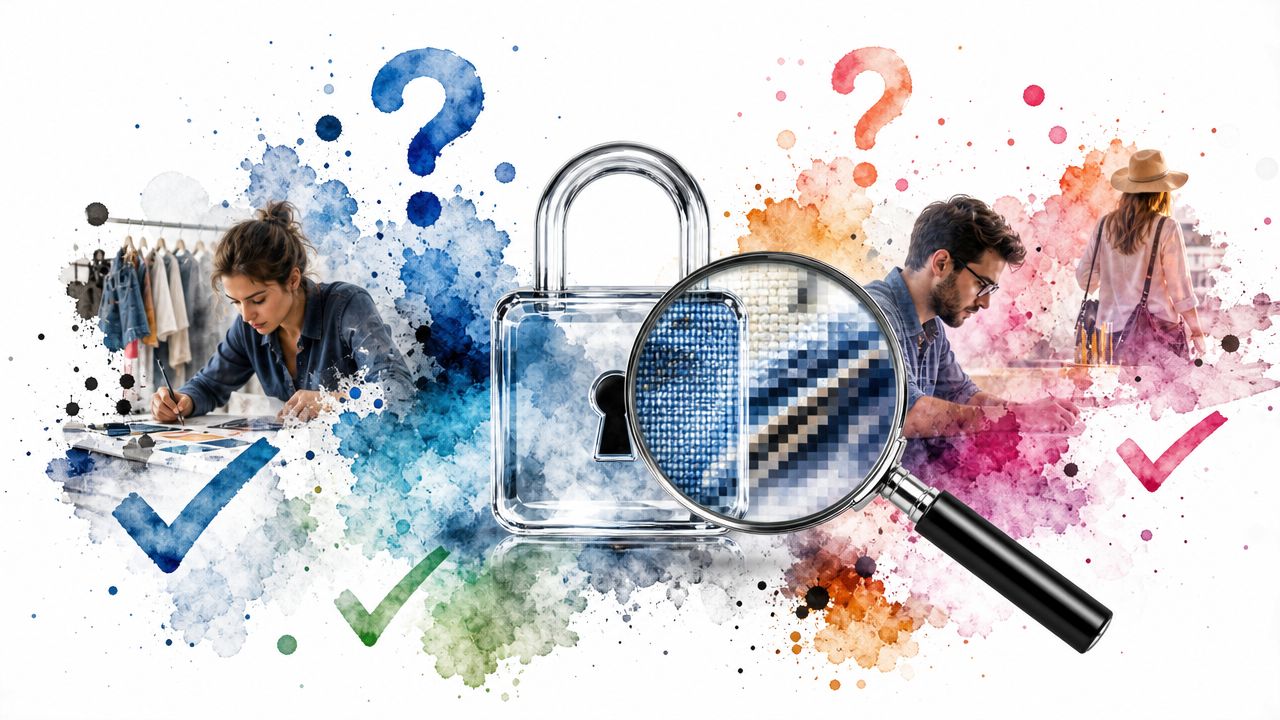
The biggest concern I hear is accuracy. Not “Does it look cool?” but “Can I trust what I'm seeing?” That's a fair question, especially with soft fabrics, drape-heavy dresses, and textured materials.
Why some shoppers still hesitate
There's a real trust gap here. Google's discussion of generative AI virtual try-on notes that shoppers often worry AI will smooth over subtle details like draping and wrinkles, which can change how a garment feels in the mind of a buyer.
That concern makes sense. A crisp cotton shirt, a clingy knit dress, and a structured trench all behave differently. If the AI glosses over those differences, the preview becomes less useful.
The best way to read a try-on result
I treat the preview as a style signal, not a lab measurement.
Use it to answer questions like these:
- Does this neckline suit me?
- Is the silhouette appealing on my photo?
- Do I like the mood of this outfit?
- Is this color worth pursuing?
Don't use it as a final answer for sizing certainty. If you want the clearest explanation of that distinction, this note on measurement accuracy spells out why visual try-on and physical fit are different jobs.
A strong preview should preserve the character of the garment. It doesn't need to predict every fold perfectly to be useful.
Privacy matters just as much
The second big question is privacy. If I'm uploading a personal photo, I want to know where it's going and whether it's being harvested into some giant ad machine.
That's one reason lightweight tools feel appealing. No-account workflows reduce friction, and they also reduce the amount of personal platform baggage attached to a simple style preview.
A solo-founder project also creates a different feeling than a giant social platform. The experience is less about building a profile and more about getting a result, then moving on with your day.
The Future Of Your Digital Wardrobe
You spot a jacket on Vinted during lunch, save a dress from a big retail site after work, then test a Depop top before bed. Instead of holding all those maybe-purchases in your head, the app can turn them into something visual. Your shopping starts to feel less like tab chaos and more like a dressing room that follows you around the internet.
That shift matters.
A digital wardrobe is really a record of what I have tried on, what looked great on my photo, and what failed fast. Over time, that record becomes useful in the same way a camera roll helps me remember outfits I liked. I stop guessing from isolated product pages and start comparing styles in context.
From one preview to a real wardrobe habit
The big change is mental. I am no longer asking only, "Does this one item look good?" I am asking better questions.
Would this coat fit the style I already wear on repeat?
Does this secondhand blouse have more potential than its flat-lay photo suggests?
Could this outfit work for a party, a trip, or a last-minute event?
That is where the shopper-first angle gets exciting. A lot of fashion tech is built for brands and polished catalog images. I care about what happens on my side of the screen. I want to test clothes from any site I already use, including marketplace listings with imperfect photos, and see them on me in seconds.
Why it gets smarter the more I use it
Repeated try-ons create a kind of visual memory. Patterns show up quickly. I notice that cropped jackets keep working. Certain colors keep falling flat on my photo. Some impulse buys lose their appeal the moment I see them on myself instead of on a model.
That feedback loop is surprisingly powerful because it is personal. The app is not telling me what is trendy. It is showing me what keeps matching my taste.
Over time, that can change how I shop. I spend less energy rereading product descriptions and more energy reacting to what I can see. The result is faster decisions, fewer fantasy purchases, and a wardrobe that feels more like mine.
Virtual clothing models are heading toward something bigger than a one-off preview. They are becoming a visual layer for everyday shopping. For me, that is the exciting part. I can browse almost anywhere, test styles on my own photo, and build a clearer sense of what belongs in my closet before I buy anything.
Try Virtual Try-On Now
See how clothes look on you before you buy - works with any online store
Get Started Free