Where to Sell Good Quality Second Hand Clothes: 7 Top Sites
Your closet is full of great pieces that still have life in them, and they shouldn't sit there gathering dust. If you're trying to figure out where to sell good quality second hand clothes, the answer usually comes down to two things, the right buyer pool and the right platform fees. Strong photos matter too, because clear flat-lay shots help shoppers see how it looks and make it easier to preview the style on visual try-on tools like TryThisFit, especially when you're selling branded, gently used items that need trust fast. For a quick starting point, I'd also pair this with a broader resale mindset and, if you sell accessories too, check out this best place to sell handbags guide.
The resale market is no longer tiny. ThredUp's 2024 Resale Report placed the global secondhand apparel market at about $197 billion in 2023 and projected it to reach $350 billion by 2028, while also saying it grew 3x faster than the broader global apparel market in 2023, which is exactly why the biggest marketplaces matter so much for quality clothing (ThredUp resale market data). That scale is why I'd skip random one-off listings unless you've got a very local item and focus on the sites where buyers already search for branded, well-kept pieces.
1. Poshmark
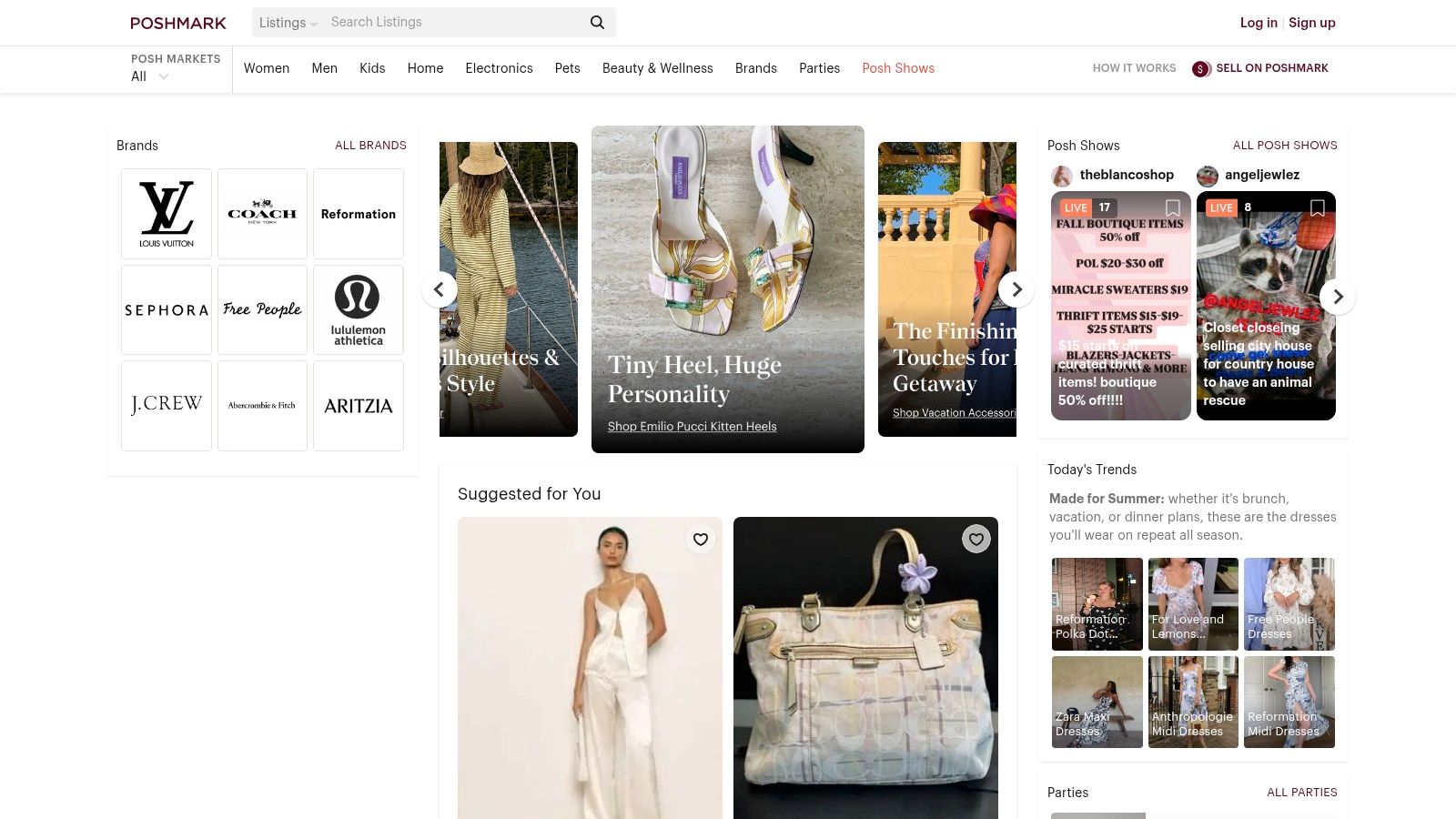
Poshmark is one of the easiest places to start if your closet leans toward contemporary, premium, or boutique fashion. It's especially good for women's apparel and shoes, because the buyer base is already there and the marketplace is built around fashion discovery rather than generic classifieds.
Why it works for nicer closet clean-outs
Poshmark's biggest strength is convenience. You get integrated payments, a shipping label workflow that's easy to understand, and social features like Shares, Bundles, and Parties that can keep your listing visible if you're willing to stay active.
That said, the trade-off is real. The platform comparison in the verified data notes that Poshmark charges about 20%, so I'd use it for items where the audience and the smooth checkout experience can justify the cut (fee comparison and platform fit).
Practical rule: I'd list on Poshmark when the item photographs beautifully, has a recognizable brand, and can benefit from bundle buying. That combination tends to play best with the app's social shopping rhythm.
A few habits help here. Use clean flat-lay photos, show the label, and write a condition note that's honest but concise. Poshmark buyers often want a quick yes or no, so clear presentation matters more than a long story.
If your wardrobe has polished basics, workwear, and mid-tier labels, Poshmark is a solid first stop. If you want to preview how those pieces might look styled on a real body before listing similar future items, try the free Chrome extension at TryThisFit's Chrome extension, which installs in a couple of seconds.
2. eBay
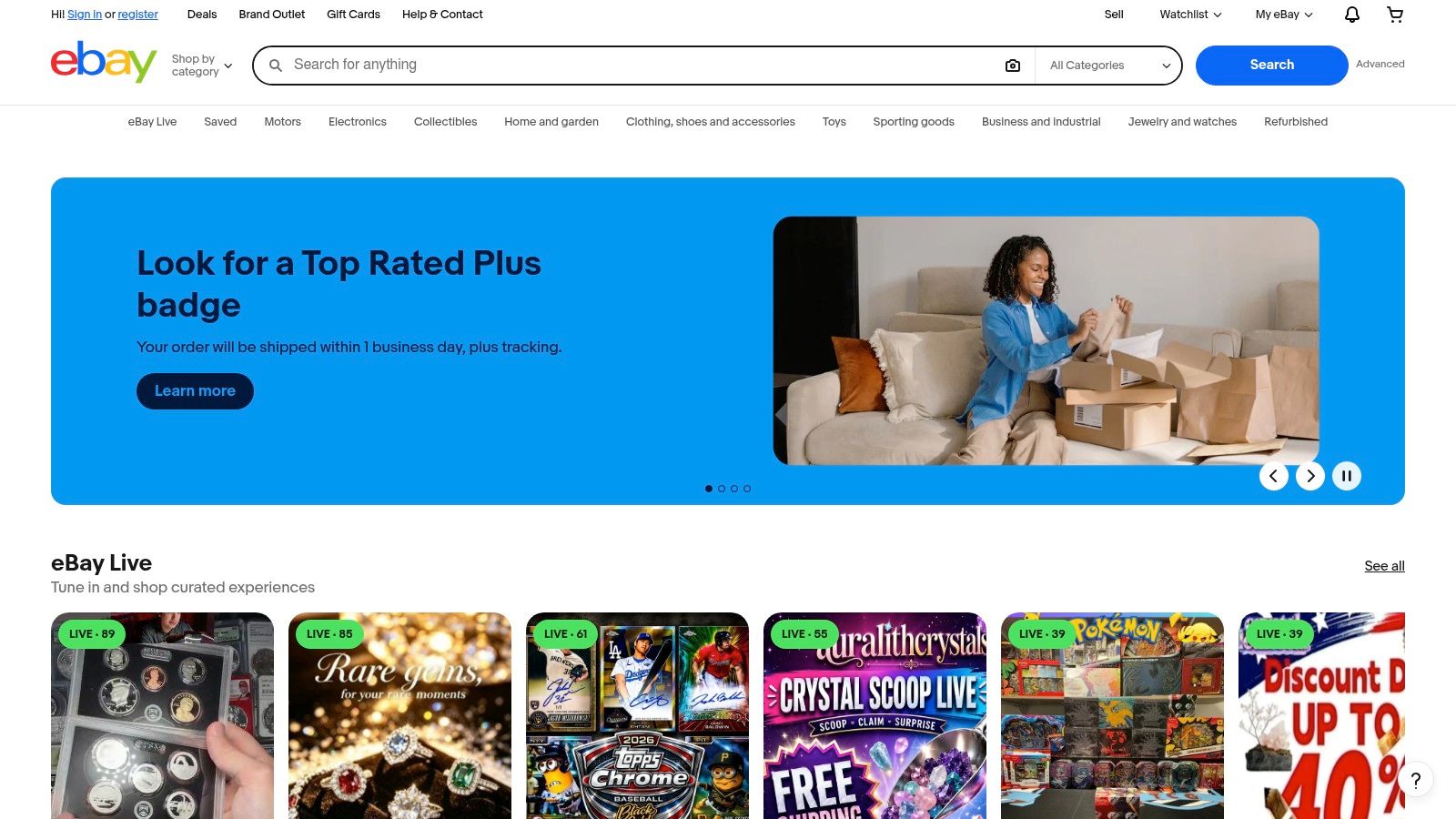
eBay still earns a spot near the top because it gives you the broadest reach and the most control. If you're selling vintage denim, sneakers, collectible pieces, or designer clothing, it gives serious buyers a place to search with intent.
Best for search-driven selling
What makes eBay different is flexibility. You can use auctions or fixed-price listings, and that matters when you're not sure whether an item should move quickly or be tested against demand.
The platform does take more effort than a fashion-only app. Strong eBay listings usually need multiple photos, item specifics, and shipping setup, but that effort pays off when you're selling across a wide audience rather than one niche audience.
Buyers on eBay usually want proof, not mood. Clear photos, exact brand names, and detailed condition notes do more here than aggressive styling.
The same verified comparison that highlights platform fees notes that Mercari typically takes around 10%, while eBay's selling model is more complex than fashion-only apps, so eBay often makes sense when reach matters more than simplicity (platform fee comparison). That's why I treat eBay as a power tool, not a casual listing app.
If you've got a tricky item, like a vintage coat or a designer blouse with a longer tail of demand, eBay can still be the best answer. It rewards patience, good photos, and a seller who knows how to describe the piece clearly.
For shoppers and sellers who compare styles across multiple sites, the main TryThisFit app at trythisfit.com is a useful way to visualize the look before you buy similar items to resell.
3. Mercari
Mercari is the platform I'd point to when a seller wants speed and a lower learning curve. It's mobile-first, simple to list on, and a strong fit for everyday clothing, kids' pieces, and shoes.

A straightforward place for everyday clothes
Mercari is especially appealing when you don't want a platform that asks you to build a personal brand. You can list, message buyers, and ship without the social pressure that comes with some fashion apps.
The verified platform comparison notes that Mercari typically takes around 10%, which keeps the math simpler than Poshmark's higher cut (fee comparison). That makes a difference when you're moving mid-priced basics and want the sale to still feel worth the effort.
Here's where Mercari usually shines.
- Everyday basics: T-shirts, jeans, sweaters, and casual brands tend to fit the platform well.
- Kids' clothing: Parents often want simple buying and fast shipping.
- Shoes and simple accessories: These are easier to evaluate from photos and usually don't need a luxury audience.
Mercari won't always give you the same average sale price you might get from a niche fashion community, but it's efficient. If your goal is to clear good-quality items without turning the process into a part-time job, that matters.
The best Mercari listings still depend on the basics, clean photos, honest condition notes, and a title that tells the buyer exactly what they're looking at. Flat-lay shots help here, because they show the garment shape cleanly and make the style easier to preview.
If you like speed and low-friction selling, Mercari is one of the strongest options. If you're browsing clothing online and want an even faster visual check, install the free extension from TryThisFit's Chrome extension page and start right-clicking product images in seconds.
4. Depop
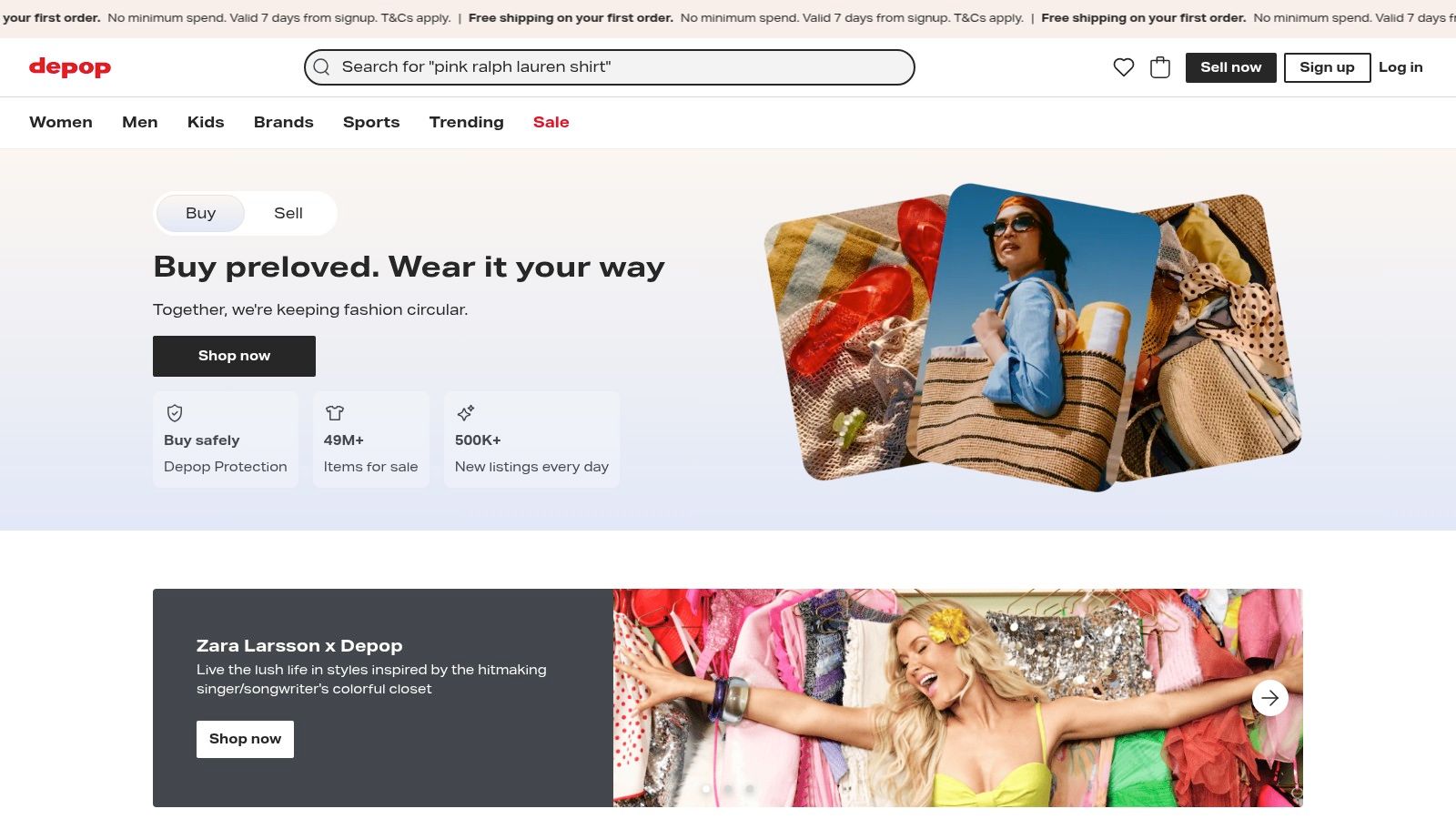
Depop is for sellers with a strong eye for styling. It works best when the clothing has a distinct look, think vintage, Y2K, streetwear, or curated one-off pieces that feel more like a mini shop than a closet purge.
Style matters more here than everywhere else
Depop's feed rewards visual identity. That means your photo style, cropping, background, and overall vibe can influence whether a buyer stops scrolling.
The platform can be a strong home for curated vintage and trend-led items, but it's not the place to be lazy with presentation. Buyers on Depop expect a shop-like feel, so strong photography and a cohesive aesthetic help a lot more than plain utility.
I'd also treat it as a place where your photography tells the story. A well-styled flat-lay, a clean hanger shot, or a smartly layered outfit image can make a piece feel more desirable without needing a long pitch.
Seller insight: On Depop, the item doesn't just need to be good. It needs to look interesting at thumbnail size.
Depop is also where you want to be careful about current fees and policy shifts, because the platform has changed its monetization approach over time. The source brief explicitly notes that sellers should verify current US fees, so I'd keep that in mind before you scale up.
For a practical visual workflow, I like pairing Depop-style listings with TryThisFit's secondhand shopping guide at this thrift store online shopping resource. It's a good reminder to check photos, condition language, and defect disclosures before you buy the next piece to resell.
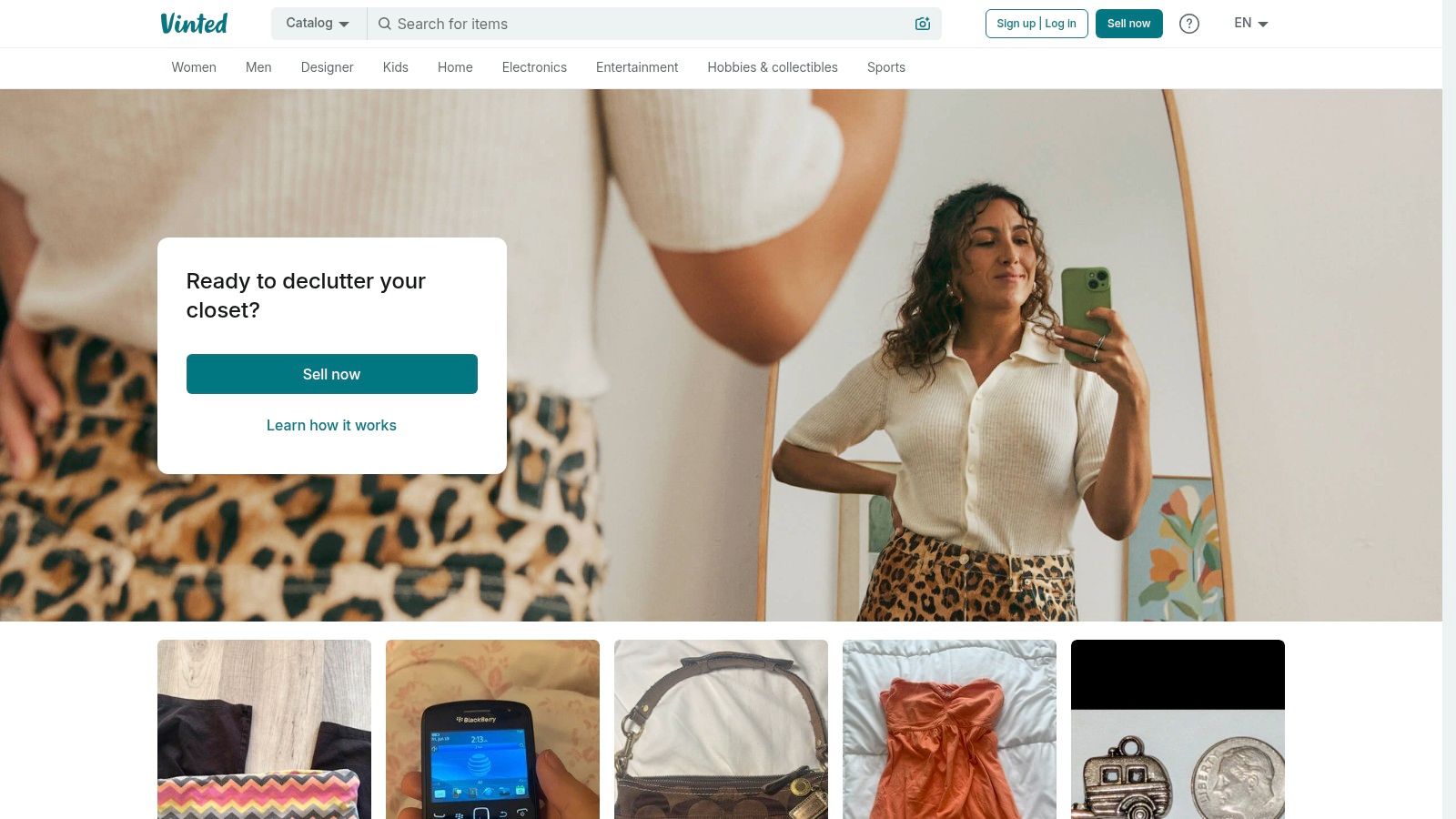
5. Vinted US
Vinted is a serious contender if you want higher take-home on lower- to mid-priced clothes. It's also very easy to use, which makes it one of the best places to list items you want gone without giving away too much margin.
Where zero seller commission changes the math
The biggest appeal is simple. The verified data says Vinted charges no seller commission, while buyers pay a Buyer Protection fee, which means your take-home can be stronger on affordable items (platform fee comparison). That's a major advantage if you're clearing lots of everyday pieces.
The listing flow is fast, the shipping is integrated, and bundle discounts can help move multiple pieces at once. I'd use Vinted for fast closet turnover, especially when items are clean, current, and easy to photograph.
The verified guidance also points to Vinted as a strong fit for everyday basics, which lines up with how buyers shop there. It's not always the best place for ultra-luxury pieces, but for good quality casual clothing it can be excellent.
What sells well here
- Quality basics: Neutral tops, jeans, jumpers, and outerwear.
- Practical brands: Clothes that buyers can imagine wearing right away.
- Bundleable items: Small wardrobe refreshes often move nicely together.
Vinted is also a great place to learn how to price realistically without overcomplicating the process. Because the platform is so efficient, photos and descriptions do a lot of the heavy lifting. Keep flaws visible, keep the background clean, and list promptly if the item is tied to a season.
If you're browsing or selling secondhand and want to see the style before you commit, the app pairs nicely with TryThisFit for vintage clothes, especially when you're comparing looks from multiple listings.
6. thredUP
thredUP is the opposite of hands-on marketplace selling. It's the right choice when you want to clear out a lot of clothes with minimal effort and let someone else handle the logistics.
Best when you want a low-effort process
You send items in, and thredUP handles processing, photography, pricing, listing, storage, shipping, and customer service. That makes it appealing for large closet clean-outs, especially if you don't want to spend your evenings answering buyer questions.
The trade-off is lower control. Payouts are more modest than peer-to-peer selling, and not every item gets accepted, so I'd think of thredUP as a convenience-first option rather than the highest-earning option.
The platform can work well for women's and kids' apparel and accessories, especially when the clothing is in good condition and worth the effort of a professional resale process. If you've got a lot of volume and not much time, that combination matters.
Practical rule: I'd use thredUP when the value of my time matters more than squeezing out every last dollar from each item.
The verified market data also notes that the secondhand market is expanding through digital resale platforms and trade-in programs, which helps explain why a service model like thredUP still has a place in the mix (secondhand apparel market outlook). It's not the most profitable route for every piece, but it can be the cleanest.
If you're trying to sort a full wardrobe and want to keep the process simple, TryThisFit's conscious consumption page fits the same mindset, keep what you'll wear, move on what you won't.
7. The RealReal
The RealReal is the platform I'd reach for when the item is luxury and buyer trust is everything. It specializes in authenticated designer fashion, fine jewelry, watches, and high-end pieces, so it attracts people who are willing to pay for confidence.
Luxury sellers need trust more than speed
The RealReal's core advantage is authentication. That changes the conversation for buyers, because they're not just evaluating the item, they're evaluating whether it's real and whether the condition has been handled correctly.
The service also offers white-glove support in select locations, including drop-offs, appointments, concierge pickups, and mail-in options. For a seller with several high-value items, that can feel a lot easier than photographing and managing every detail yourself.
The downside is that the standards are strict. Many items won't be accepted, commission is higher than on peer-to-peer sites, and payment timing depends on the platform's sale and return windows. That's the trade-off for buyer confidence.
The best fit here is clear. If the item is designer, in strong condition, and recognizable enough that authentication matters, RealReal can be a smart choice. If it's mid-range, there are usually better-margin platforms elsewhere.
I'd also keep your listing photos pristine before sending anything in. With luxury items, clear shots of hardware, tags, and condition details aren't optional, they're part of the trust signal.
For shoppers who compare luxury looks before buying, this is one more place where visual tools help. You can use TryThisFit to preview the appearance of clothing before you commit, then decide which high-end piece deserves a spot in your closet.
Where to Sell Quality Secondhand Clothes, 7-Platform Comparison
| Platform | 🔄 Complexity | ⚡ Resources & Effort | ⭐ Expected outcomes / 📊 Results | 💡 Ideal use cases | Key advantages |
|---|---|---|---|---|---|
| Poshmark | Low–Moderate (social sharing required) | Low–Moderate (photos, frequent shares) | ⭐ Good for contemporary/premium women's apparel; 📊 Predictable payouts & shipping | Sell women's apparel, shoes, boutique pieces; bundle/offers | Large fashion buyer base; built‑in social discovery; predictable shipping |
| eBay | Moderate–High (auctions, detailed listings) | Moderate–High (detailed photos, item specifics, shipping choices) | ⭐ High for vintage/collectibles/designer; 📊 Max exposure, variable prices | Vintage, sneakers, designer, demand‑testing via auctions | Huge audience; flexible pricing; robust seller analytics/tools |
| Mercari | Low (simple mobile listing flow) | Low (quick listings, optional prepaid labels) | ⭐ Moderate for basics/mid‑range; 📊 Consistent sales for everyday items | Casual sellers, kids' clothing, everyday shoes | 10% flat fee; easy listings; buyer-friendly shipping options |
| Depop | Moderate (visual curation + community engagement) | Moderate (strong photography and social activity) | ⭐ Strong for curated vintage/streetwear; 📊 Good for brand building | Gen Z buyers, curated vintage, Y2K, streetwear shops | Social feed discovery; rewards distinctive styling; niche community |
| Vinted (US) | Low (simple listing, buyer‑paid fees) | Low (fast listing, prepaid labels) | ⭐ Good take‑home on low/mid items; 📊 Fast closet clean‑outs | Quick declutters, lower‑priced everyday items | No seller commission; integrated labels; simple flow |
| thredUP | Very Low (seller ships box; platform handles rest) | Very Low for seller (platform processes/photographs) | ⭐ Moderate payouts; 📊 Low seller effort, slower turnaround | Large closet clean‑outs; sellers wanting hands‑off consignment | Full‑service logistics and listing; professional processing |
| The RealReal | Moderate (authentication & consignment process) | Moderate–High (meet luxury standards; possible concierge) | ⭐ Very high for authenticated luxury; 📊 Premium prices but selective acceptance | High‑end designer, fine jewelry, watches, luxury home goods | Expert authentication; luxury buyer trust; white‑glove services |
Ready to Start Selling? Key Takeaways for Success
The best platform depends on the clothes you have. Poshmark and Mercari work well for everyday fashion, eBay gives you the broadest reach, Depop is strongest for styled vintage and trend pieces, Vinted can maximize take-home on lower-priced items, thredUP saves time, and The RealReal makes sense for true luxury.
The biggest mistake I see is sellers choosing a platform first and the item second. It works better the other way around, match the clothing to the buyer base, then decide how much work you want to put in.
Good photos are still the difference-maker. Use clean flat-lay shots, add clear front and back views, include labels and flaws, and write descriptions that are short but specific. That's the kind of listing that builds trust fast and helps buyers see how it looks before they buy.
If you're selling with a visual mindset, TryThisFit can support the same process on the shopping side. You can use the main app at TryThisFit, open your saved try-ons history to compare looks, or install the free Chrome extension in seconds so you can preview clothing directly on sites like Zara, H&M, Amazon, Shein, Vinted, and Depop.
A strong resale strategy is simple. Pick the right marketplace, present the item clearly, and move quickly when the clothing is still relevant. That's how you turn a crowded closet into real cash without making the process harder than it needs to be.
If you want a faster way to judge clothing visually before you buy or resell it, try TryThisFit. I built it for quick style previews on any shopping site, so you can compare looks in seconds, keep your closet moving, and make better resale choices from the start.
Try Virtual Try-On Now
See how clothes look on you before you buy - works with any online store
Get Started Free