8 Different Kinds of Kimonos: A Visual Guide for 2026
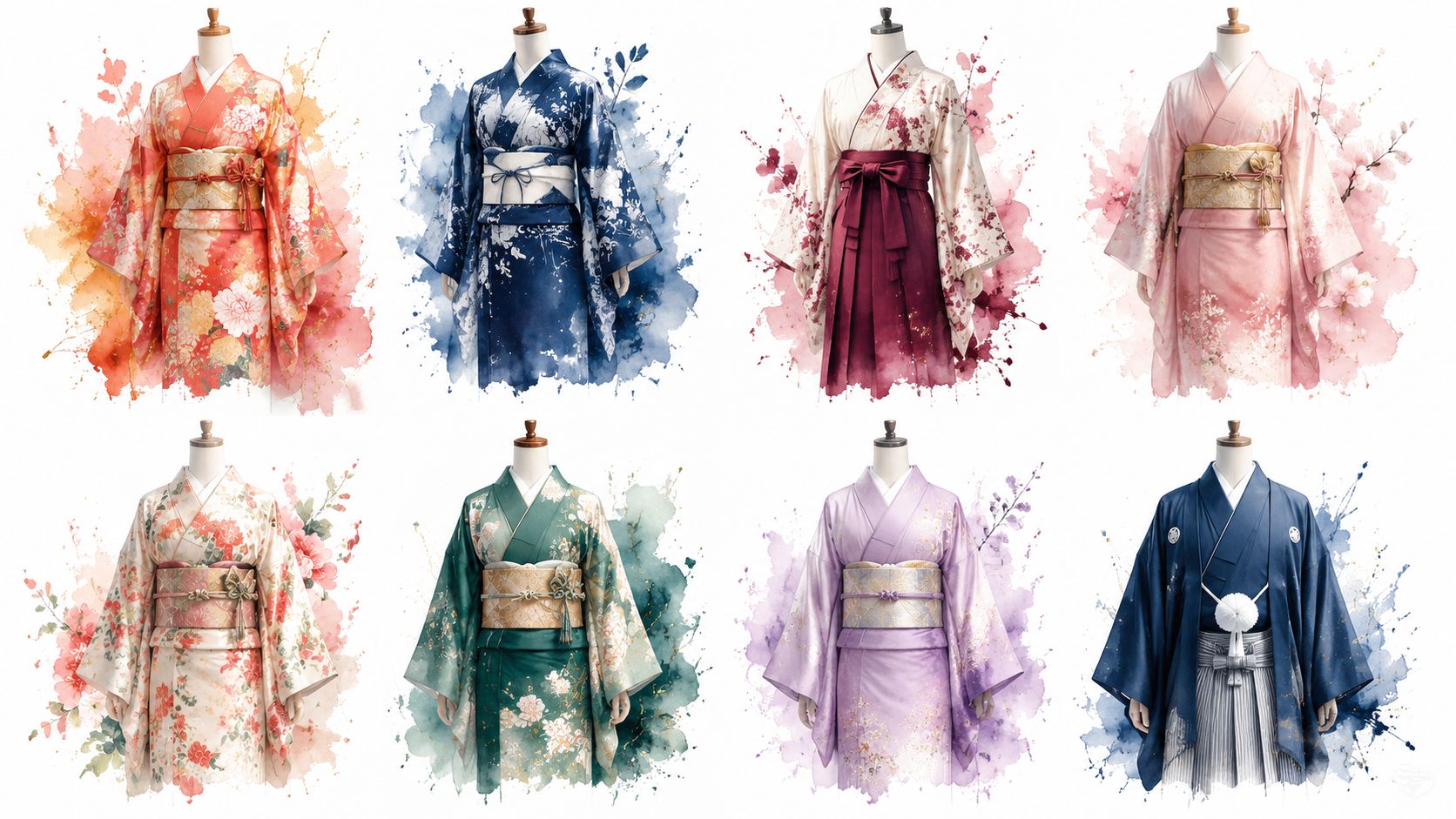
You open a rental site or scroll past festival photos, and the word "kimono" keeps appearing. Then the details start to split apart. One style has long sleeves that swing like banners, another keeps its decoration low near the hem, and another is light and casual enough for summer evenings. Very quickly, one garment turns into a whole dress code.
That can feel confusing at first, but the system is more readable than it seems. Kimono types work a bit like visual categories in formalwear. The length of a sleeve, the placement of a pattern, the weight of the fabric, and the setting where it is worn all give clues about formality, season, and social meaning.
Once you know what to look for, the differences become easier to spot. A furisode reads as celebratory. A yukata feels relaxed and seasonal. A tomesode carries a more formal, ceremonial mood. Even before you memorize the names, your eye can start matching shape and decoration to purpose.
This guide explains eight kimono types in a clear, visual way, then connects those traditional details to a modern next step: seeing which style suits you through AI virtual try-on. If you also enjoy comparing East Asian clothing traditions, you might like this guide to traditional Korean clothing styles. If you are shopping, planning a costume, browsing rentals, or curious, you can use TryThisFit to preview how different kimono silhouettes look on you before choosing one.
1. Furisode
A person steps into a Coming of Age photo studio, turns slightly, and the sleeves sweep through the air before the rest of the outfit even registers. That visual effect is furisode.
Furisode is the most formal kimono category associated with young, unmarried women. Its defining feature is easy to spot. Very long sleeves. They create motion in a way other kimono types usually do not, so the garment reads as celebratory from across the room.
That is why furisode appears so often at Coming of Age ceremonies, wedding receptions, and other formal occasions with a festive mood. If tomesode will later feel more grounded and ceremonial, furisode is the one that announces youth, color, and occasion through movement.
What makes it easy to recognize
The sleeves are the first clue, but they are not the only one. Furisode often uses large-scale motifs, bright or saturated colors, and decoration that spreads across much of the garment instead of staying quiet near the hem. The overall impression is rich and expressive.
A helpful way to read it is to treat the sleeves like the train of a formal gown. They change how the whole outfit occupies space, how it photographs, and how it feels when the wearer turns, walks, or raises an arm. If you want a broader reference point for where furisode fits within the wider family of Japanese dress, this guide to types of traditional Japanese clothing gives useful context.
<iframe width="100%" style="aspect-ratio: 16 / 9;" src="https://www.youtube.com/embed/N1AGFA4HeMw" frameborder="0" allow="autoplay; encrypted-media" allowfullscreen></iframe>For anyone exploring East Asian formalwear more broadly, this pairs nicely with traditional Korean clothing styles, because both traditions use silhouette and occasion to communicate meaning.
Practical rule: Furisode is one of the easiest kimono types to test visually before you rent or buy, because sleeve drama, color placement, and formality determine whether the look feels right on you.
That makes AI virtual try-on especially useful here. The question is often less about basic fit and more about visual balance. Do long sleeves make your frame look graceful or overwhelming? Does a bold floral design feel elegant on you, or too busy? Furisode is a strong example of how traditional details become easier to understand once you can see them on your own image, not just on a mannequin or hanger.
2. Yukata
A summer festival is often where many people first understand why kimono culture feels so alive. Lantern light, wooden sandals, the swish of light cotton, and bright seasonal prints all make yukata feel immediate in a way formal kimono sometimes do not.
Yukata is the casual, warm-weather member of the kimono family. It is usually lighter, simpler to wear, and easier to recognize in everyday cultural settings such as fireworks nights, matsuri festivals, and hot spring towns. If furisode reads like formal celebration, yukata reads like summer air and evening movement.
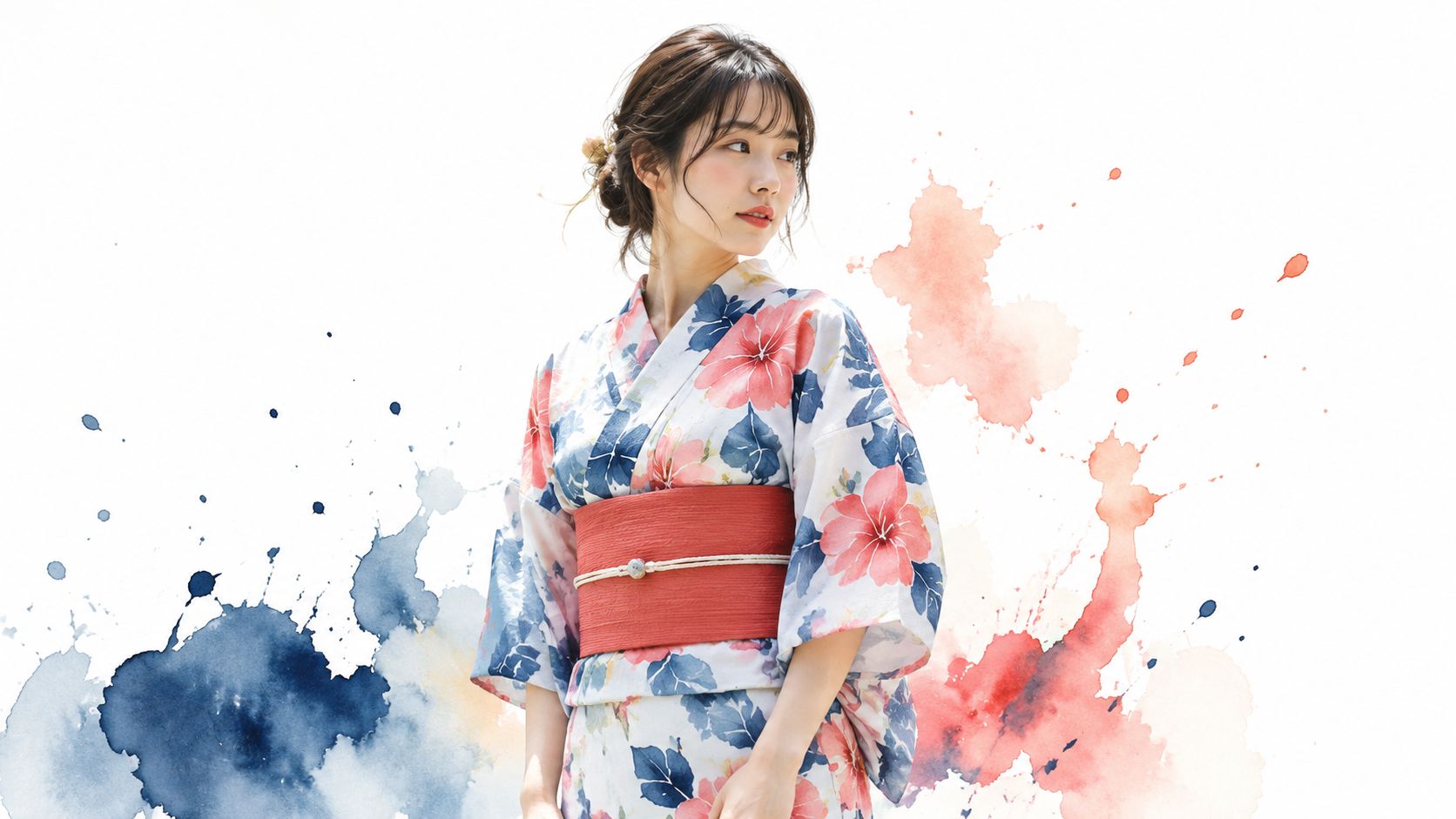
The fabric helps explain the difference. Many yukata are made from cotton or other breathable materials, so the garment sits closer to the world of seasonal comfort than ceremony. Patterns also tend to feel more relaxed. You will often see flowers, leaves, flowing water, or playful repeating motifs that suit summer events rather than major rites of passage.
That makes yukata one of the clearest entry points for beginners. A new learner can spot the logic quickly: lighter cloth, less formal mood, easier styling. For broader context on how yukata fits into the wider clothing tradition, this guide to types of traditional Japanese clothing helps place it within the full spectrum.
Why yukata works so well for virtual try-on
Yukata can look simple on a hanger and surprisingly different on a person. A dark indigo print may feel crisp and refined on one frame, while a large floral motif can read either charming or visually busy depending on scale. Virtual try-on is useful here because the question is often about pattern behavior, color mood, and how the obi changes the whole look.
That practical angle matters if you are browsing resale apps, festival shops, or modern retailers carrying yukata-inspired pieces. Product photos rarely show how the print will interact with your proportions or coloring.
- For summer events: Test whether you want a classic navy palette, a soft pastel look, or a brighter festival pattern.
- For first-time wearers: Compare a more traditional floral design with a cleaner, more minimal yukata to see which feels natural on you.
- For secondhand shopping: Use the listing image as a visual starting point before committing to a piece that may have limited return options.
Yukata teaches an important lesson early. Kimono types are not only labels. They are systems of fabric, season, mood, and occasion. Once you can see those details on your own image, the category stops feeling abstract and starts feeling wearable.
3. Tomesode
A wedding reception is often where tomesode first makes sense at a glance. Across a room full of formal dress, it stands out by staying composed. The pattern sits low near the hem, the sleeves are shorter, and the whole garment gives off a ceremonial calm rather than youthful motion.
Tomesode is one of the clearest examples of how kimono categories signal occasion and social role. It is traditionally associated with married women, especially at highly formal events. If furisode reads like celebration in motion, tomesode reads like authority and grace held close to the body.
The placement of the design is the key visual lesson. Instead of spreading decoration across the garment, tomesode usually concentrates it near the bottom, almost like a painted border that anchors the silhouette. That low band of imagery changes how the eye moves. You notice steadiness first, then detail.
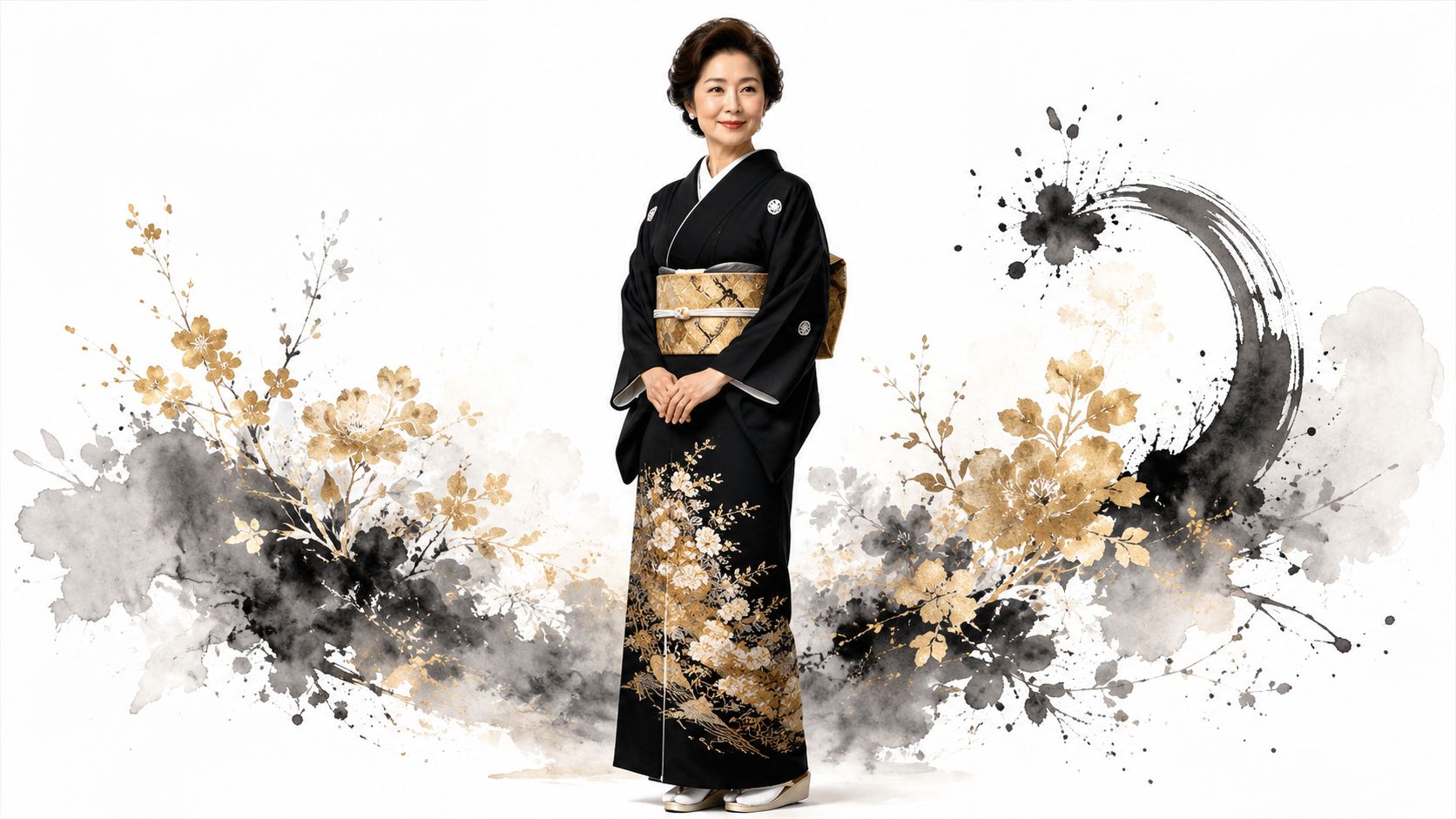
You will often see black tomesode at weddings on mothers and close female relatives, though colored versions exist too. That difference can confuse first-time readers because both can look formal in photos. The clue is not just color. It is the combination of sleeve length, crest use, and that controlled hem-focused decoration.
This category also helps explain why kimono can feel difficult to learn from product listings alone. Two formal garments may share silk, elegant motifs, and polished styling, yet communicate very different roles once worn. A virtual try-on helps by turning those abstract distinctions into something visible on your own frame. You can compare how a hem-weighted design feels on your proportions versus a more expansive formal pattern and quickly see why tomesode looks grounded, mature, and ceremonial.
Tomesode teaches a useful principle. In kimono, less visual movement often signals more formality.
4. Houmongi
Houmongi often feels like the bridge kimono. It's semi-formal, polished, and flexible enough to cover many occasions without looking either too casual or too ceremonial.
Its name is often translated as “visiting wear,” which gives you the right social feeling immediately. This is the kimono you can imagine at a reception, cultural event, hosted gathering, or refined celebration where elegance matters but absolute top-level formality isn't required.
The visual clue to look for
Houmongi usually has a flowing design that connects across seams and panels, so the decoration feels continuous rather than boxed into one area. That creates a dressed-up, composed look without the overt status coding of furisode or the restraint of tomesode.
It's also one of the clearest examples of kimono classification being social rather than purely aesthetic. Unlike tomesode, houmongi is worn by both married and unmarried women, which makes it especially useful for modern shoppers trying to understand why two beautiful garments with similar colors can still belong to different categories.
A virtual try-on is helpful when you're deciding between categories that can sound abstract in text. Previewing a houmongi next to a furisode-style image or a tomesode-style image makes the differences much easier to grasp. You'll notice how the pattern flow changes the overall impression right away.
When to choose this look
- For wedding guest style: Houmongi often feels appropriate when you want elegance without the strongest ceremonial coding.
- For cultural events: It has enough refinement to hold its own in a formal setting.
- For visual comparison: It's one of the best kimono styles to test side by side with other categories because the silhouette reads as balanced and versatile.
If you're shopping online, start with the cleanest flat-lay image you can find. That usually gives the app a clearer base to help you visualize the style.
5. Iromuji
You are scrolling through kimono listings, and one garment stops you even though it has no sweeping scene, no scattered blossoms, no obvious visual drama. That quiet pull is often iromuji. It is a kimono in a single color, and its beauty comes from restraint, the same way a well-cut coat can stand out without prints or embellishment.
Iromuji teaches an important lesson about kimono. Pattern is not the only thing that signals style. With this type, color does almost all the talking. A soft tea green can feel calm and cultivated. A smoky lavender can read gentle and refined. A deeper rust or plum can feel more mature and strikingly understated.
That makes iromuji especially useful for learners, because it strips away some of the visual complexity and lets you focus on tone, texture, and form.
Why people love it
Iromuji is often chosen for settings where polish matters but flashy decoration would feel out of place, including tea gatherings and other occasions that favor composure. If furisode is the kimono that announces itself across the room, iromuji works more like a low, steady note in music. You notice the harmony before you notice any single detail.
A virtual try-on helps here in a very practical way. Instead of comparing motifs or sleeve drama, you can compare mood. Which shade makes your features look brighter? Which one feels more formal on you? Which color gives the balanced, minimal effect you want?
A single-color kimono can reveal more about your taste than a heavily patterned one.
That color-first logic appears in many traditional dress systems, which makes comparisons with traditional clothing from Indonesia especially interesting if you enjoy studying how different cultures use tone and fabric presence to create elegance.
If you are testing an iromuji-style image with TryThisFit, pay close attention to the relationship between the kimono color and your face, hair, and overall coloring. The cut stays relatively consistent, so small shifts in hue do a lot of work. It is one of the clearest kimono categories for discovering whether your taste leans soft, formal, understated, or modern before you rent or buy.
6. Komon
You spot a kimono online with a tiny repeating print and wonder, “Is this formal, casual, or just pretty?” Komon often creates that exact question. Its identity comes from small motifs repeated across the whole garment, which gives it a friendlier, more everyday feel than ceremony-focused kimono.
A useful way to read komon is to look at it like wallpaper versus a framed painting. Furisode or houmongi often draw your eye to placed decoration. Komon creates an overall texture first. From a distance, the pattern can look almost like fabric grain. Up close, the personality appears in the details.
That makes komon one of the easiest kimono types to connect with personally. A neat geometric repeat can feel crisp and city-ready. A tiny floral print can feel gentle and nostalgic. Dots, checks, abstract shapes, and seasonal motifs can all shift the impression without changing the basic category.
What komon is good for
Komon is associated with casual outings, relaxed social settings, and style exploration. It gives you the recognizable kimono silhouette without the visual weight of a highly formal piece, so it is a helpful category for learners who want to understand kimono beyond special-occasion wear.
It is also a strong match for virtual try-on. With komon, the question is often less “Can I wear this?” and more “What kind of mood does this pattern create on me?” Seeing the print on your own image answers that faster than scrolling through thumbnails, especially when several options look similar on a shopping page.
- For pattern-focused shoppers: small motif changes can make the same silhouette look sharper, softer, older, or more modern.
- For secondhand browsing: komon often rewards patience, because unusual prints show up in resale markets and can look very different once visualized on you.
- For personal styling experiments: it is one of the clearest kimono categories for testing how traditional dress can align with your own taste.
If iromuji teaches your eye to notice color, komon trains it to notice rhythm. The repeated pattern is the point. A virtual preview helps you judge scale, density, and overall impression before you commit to a rental, resale find, or first purchase.
7. Mofuku
Mofuku belongs to mourning and memorial contexts, so it should be approached with care and respect. This is not a kimono category for playful experimentation. Its visual language is solemn by design.
The point of mofuku is restraint. Where other kimono categories communicate celebration, season, or social elegance, mofuku communicates dignity and mourning.
The style message
Mofuku is typically dark and intentionally subdued. The beauty, if that's the right word here, comes from composure rather than display.
This category matters because it shows how strongly kimono has always been tied to social meaning. A garment can be formal without being festive. In fact, mofuku may be one of the clearest examples of how Japanese dress tradition uses silhouette, color, and decoration to signal exactly what kind of moment someone is stepping into.
If you're researching proper appearance for a memorial or a historically accurate costume study, use virtual previewing carefully and respectfully. The goal isn't novelty. It's understanding how the full look reads so you can avoid choosing something inappropriately decorative.
A good visual check can still help when you're comparing rental images, obi styling, or accessory restraint. Just keep the purpose clear. This kimono type is about honoring the occasion, not personal flair.
8. Susohiki
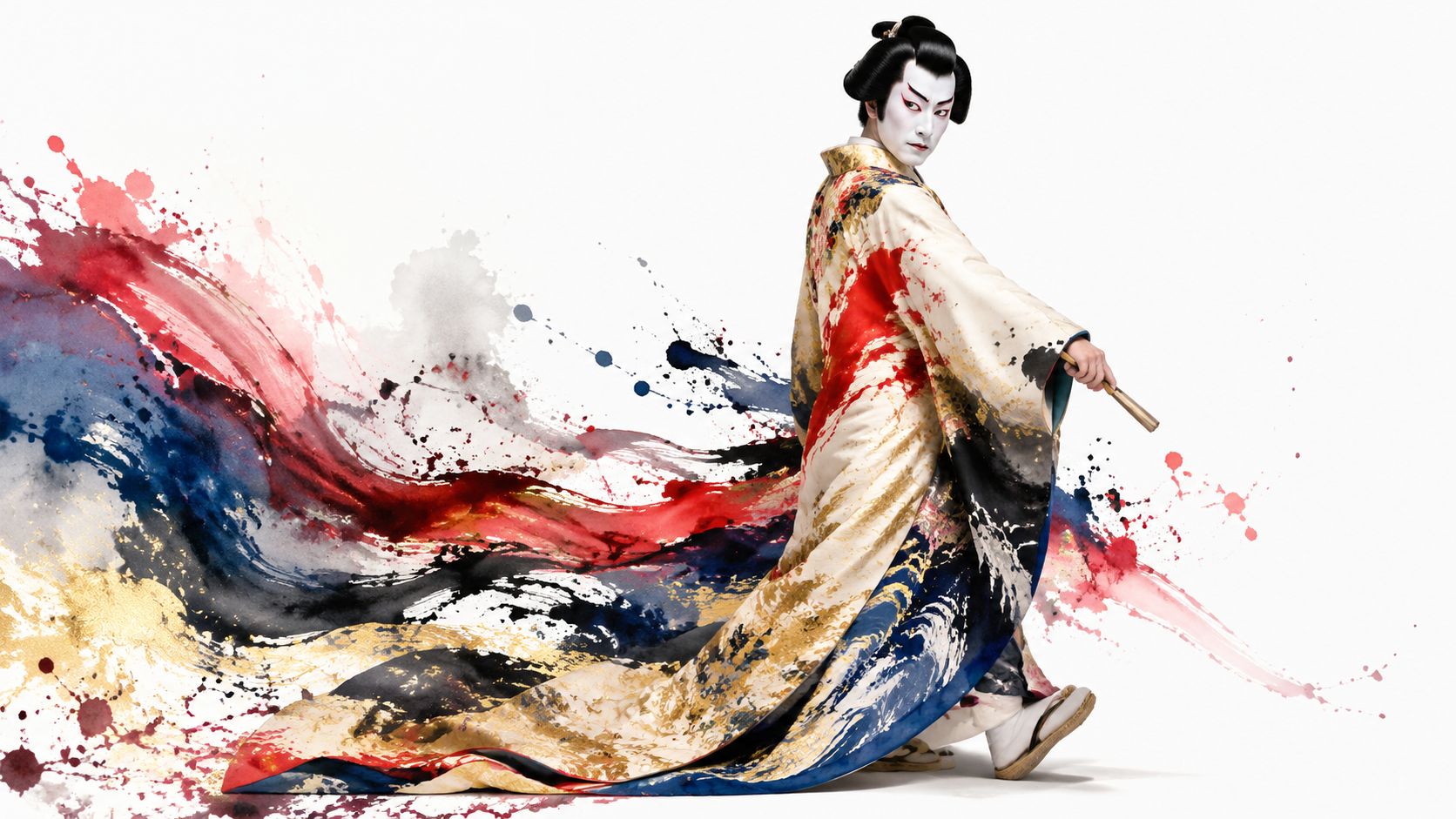
Susohiki is pure drama, but of a very specific kind. This is the trailing style associated with performers such as geisha, maiko, and stage artists, and the long hem creates a silhouette that glides rather than walks.
If furisode makes an entrance with sleeves, susohiki does it with movement at the floor. The hemline creates a continuous visual sweep that feels theatrical, elegant, and highly stylized.
Why this one stands apart
A guide to kimono types used in fashion and retail contexts notes that formality is often visible through construction details, not just color. It highlights that yukata are least formal, furisode are recognized by long swinging sleeves, kurotomesode are highly formal for married women, and uchikake and shiromuku are bridal forms. That same logic helps explain susohiki. Trailing length isn't a small flourish. It's a defining attribute.
For costume planning, performance styling, anime conventions, or historical visual reference, susohiki is a great category to preview digitally because the silhouette is so distinctive. You can tell immediately whether the dramatic floor-length effect is what you want.
If a kimono looks built for the stage, the hem is often the reason.
This is also a fun place to use TryThisFit for creative projects. A flat-lay photo from a costume seller or specialty marketplace can give you a fast preview before you buy, especially if you're comparing a performer-inspired look with a more standard formal kimono.
8-Point Comparison of Kimono Types
| Style | Complexity 🔄 | Resources ⚡ | Quality/Effectiveness ⭐ | Visual/Practical Impact 📊 | Ideal use cases | Tips 💡 |
|---|---|---|---|---|---|---|
| Furisode | Very high, extra-long sleeves, many layers, needs professional dressing | Very high, silk, gold thread, elaborate obi; costly ($1,000–$10,000+) | Excellent ⭐⭐⭐⭐⭐, dramatic formal quality | Exceptional photogenic impact; excellent for virtual try-on demos | Coming-of-age, weddings, formal celebrations, cosplay photos | Preview sleeve length, compare patterns/obi before renting |
| Yukata | Low, simple construction, no juban, easy to wear | Low, cotton/linen, simple hanhaba obi; affordable ($30–$150) | Good ⭐⭐⭐, solid casual visualization | Strong for casual summer visuals and multiple quick try-ons | Summer festivals, fireworks, beach, casual outings | Test color/pattern combos; use extension for quick previews |
| Tomesode | High, formal drape, family crest placement, requires pro dressing | Very high, silk, gold brocade, mon; costly ($2,000–$15,000+) | Excellent ⭐⭐⭐⭐, refined formal effectiveness | High clarity in virtual rendering; strong elegance cues | Mother-of-bride/groom, formal weddings, tea ceremonies | Virtually compare black/navy/burgundy and mon placement |
| Homongi | Medium, semi-formal, needs careful dressing but more versatile | Medium, quality silk, connected patterns; mid-range cost ($500–$2,000) | Very good ⭐⭐⭐⭐, balanced semi-formal quality | Excellent for visualizing pattern flow across garment panels | Semi-formal parties, receptions, tea events | Try multiple patterns and compare with tomesode/furisode |
| Iromuji | Medium, simple cut but requires color-styling confidence | Medium, solid silk, easier to mix with obi; more affordable than patterned | Very good ⭐⭐⭐⭐, ideal for color accuracy | Excellent for color analysis and personal-branding visuals | Daytime cultural events, tea ceremonies, color exploration | Test shades vs skin tone; preview obi pairings |
| Komon | Low–Medium, everyday dressing, versatile styling | Low–Medium, cotton or synthetics; affordable ($100–$400) | Good ⭐⭐⭐, practical and experimental | Strong for pattern mapping and casual virtual try-ons | Casual outings, local events, everyday wear | Virtually try pattern mixes; experiment with obi styles |
| Mofuku | Medium, formal but restrained; sensitive context requires care | Low–Medium, dark silk, often rented; modest cost vs formal kimono | Appropriate ⭐⭐⭐, specialized solemn effectiveness | Clear, dignified rendering for ceremonial planning | Funerals, memorials, formal mourning rites | Approach respectfully; confirm regional etiquette and sizing |
| Susohiki | Very high, trailing hem, specialized movement, professional handling | Very high, top-tier silk, complex dyeing; expensive ($3,000–$20,000+) | Exceptional ⭐⭐⭐⭐⭐, theatrical, performance-grade quality | Extremely dramatic and photogenic; ideal for performance planning | Geisha/maiko performances, theater, high-end cosplay | Preview trailing hem motion; research proper movement and staging |
Ready to Find Your Perfect Kimono Style?
You open a virtual try-on and test two kimono silhouettes on your own photo. One suddenly gives you the bright, ceremonial energy of a formal celebration. The other feels quieter, more everyday, and easier to picture at a casual gathering. On a hanger or in a product grid, those differences can look subtle. On a person, they become much easier to read.
That shift matters because kimono is a system of visual cues. Sleeve length, motif placement, fabric texture, and season all work together, much like how a tuxedo, cocktail dress, and linen summer suit each signal a different occasion in Western dress. Once you can spot those cues, furisode, tomesode, houmongi, yukata, iromuji, and komon stop blending together and start making clear sense.
Season plays a role too. A useful guide to kimono seasonality and construction explains the usual flow from lined awase in cooler weather to lighter hitoe and airy usumono in warmer months. That context helps you judge more than beauty alone. It helps you choose what looks appropriate and what will feel comfortable to wear.
Kimono shopping also tends to be deliberate. Rentals, ceremonies, performances, tea gatherings, summer festivals, and formal visits all call for different choices. Analysts at Yano Research found continued movement in Japan's kimono market in 2023, which reflects how often these garments are still chosen for specific events. A preview on your own image can save you from picking a style that is beautiful in theory but wrong for the setting.
Virtual try-on turns study into practice.
A flat photo shows pattern and color. It does not fully show how a furisode changes your proportions, how a subdued iromuji affects your overall presence, or how a komon pattern reads against your height and coloring. TryThisFit lets you compare those differences in a direct, personal way. You can test a summer yukata against a more polished houmongi, then ask a better question than "Which one is prettier?" Ask which one fits the occasion, the season, and the impression you want to give.
That is what makes kimono feel more approachable for a global audience. You can learn the cultural logic and explore your own style at the same time, with more clarity and less guesswork. Respect comes first. Seeing the details on yourself makes the learning easier, and the choice more confident.
Try Virtual Try-On Now
See how clothes look on you before you buy - works with any online store
Get Started Free