5 Dress Styling Ideas to Instantly Elevate Your Look
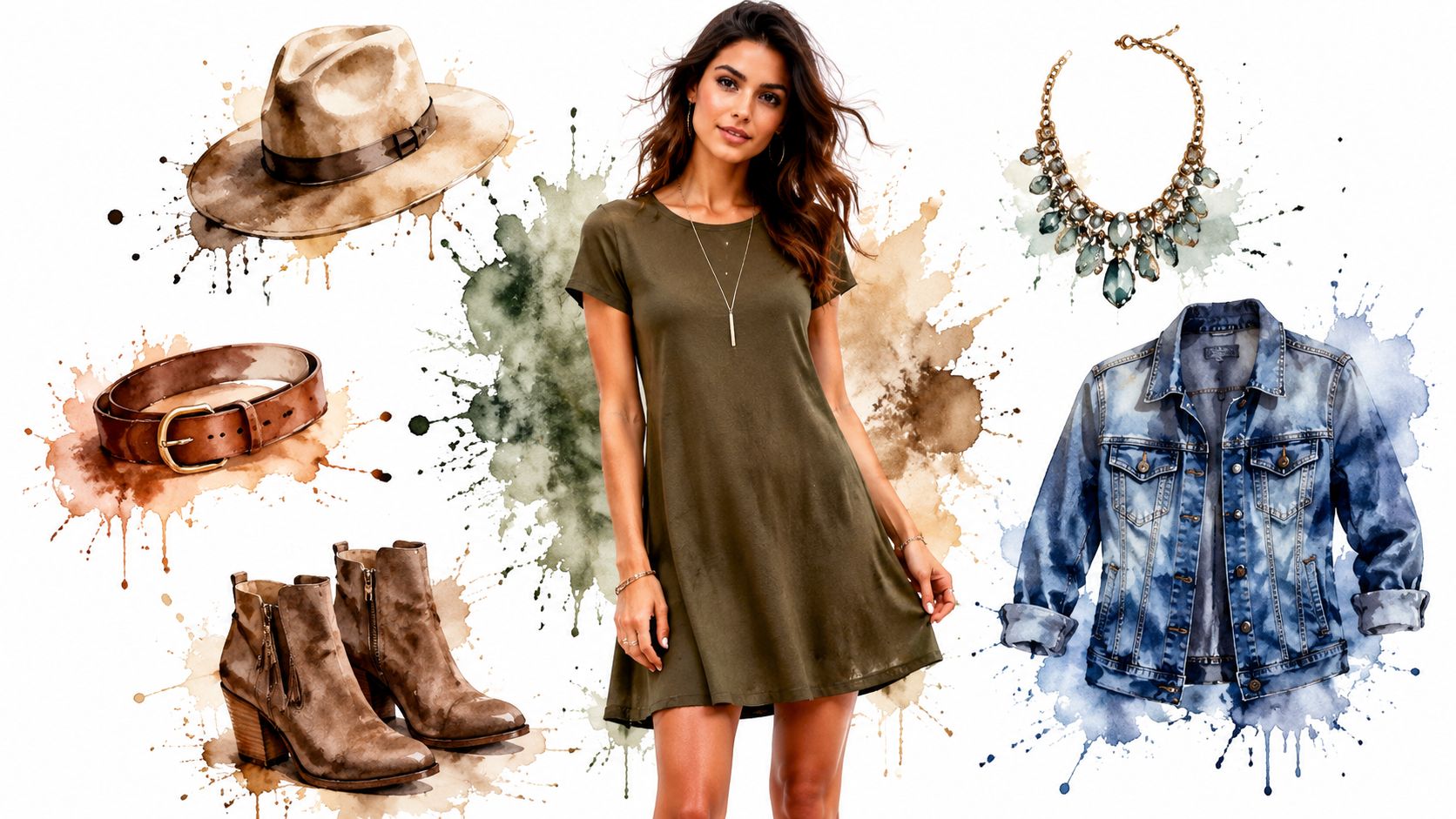
You find a dress you like. Then the usual questions hit. What shoes make it feel current, what layer fixes the proportions, and will that color work on you once it leaves the product page and lands in your closet?
Great dress styling starts there. The difference between a piece you wear once and a piece you reach for constantly usually comes down to styling principles, not the dress itself. Proportion changes the silhouette. Texture adds depth. Color shifts the mood. Once you can see those three elements clearly, even a simple dress can feel sharp, relaxed, romantic, or directional.
That distinction matters, as closets are already packed. The global fashion industry has doubled annual garment production since 2000 to exceed 100 billion units, consumers buy over 80 billion new pieces each year, and the average wardrobe holds about 148 items, according to global fashion industry statistics from FashionUnited. More options rarely solve a styling problem. A better eye does.
The ideas ahead move past generic advice like adding a belt or swapping shoes. They show how to build an outfit on purpose so you can repeat the process with what you already own, spot smarter buys, and test combinations visually before you commit. That last part saves money, cuts down on guesswork, and makes experimenting a lot more fun.
1. Monochromatic Layering for Effortless Elegance
You pull on a slip dress, add a coat, then stare in the mirror because the outfit still feels unfinished. Monochromatic layering solves that fast. It gives a dress structure and polish without asking you to pile on statement pieces.
The principle is simple. Stay in one color family, then create separation with value, texture, and shape. That is what makes a single-color outfit look intentional instead of flat.
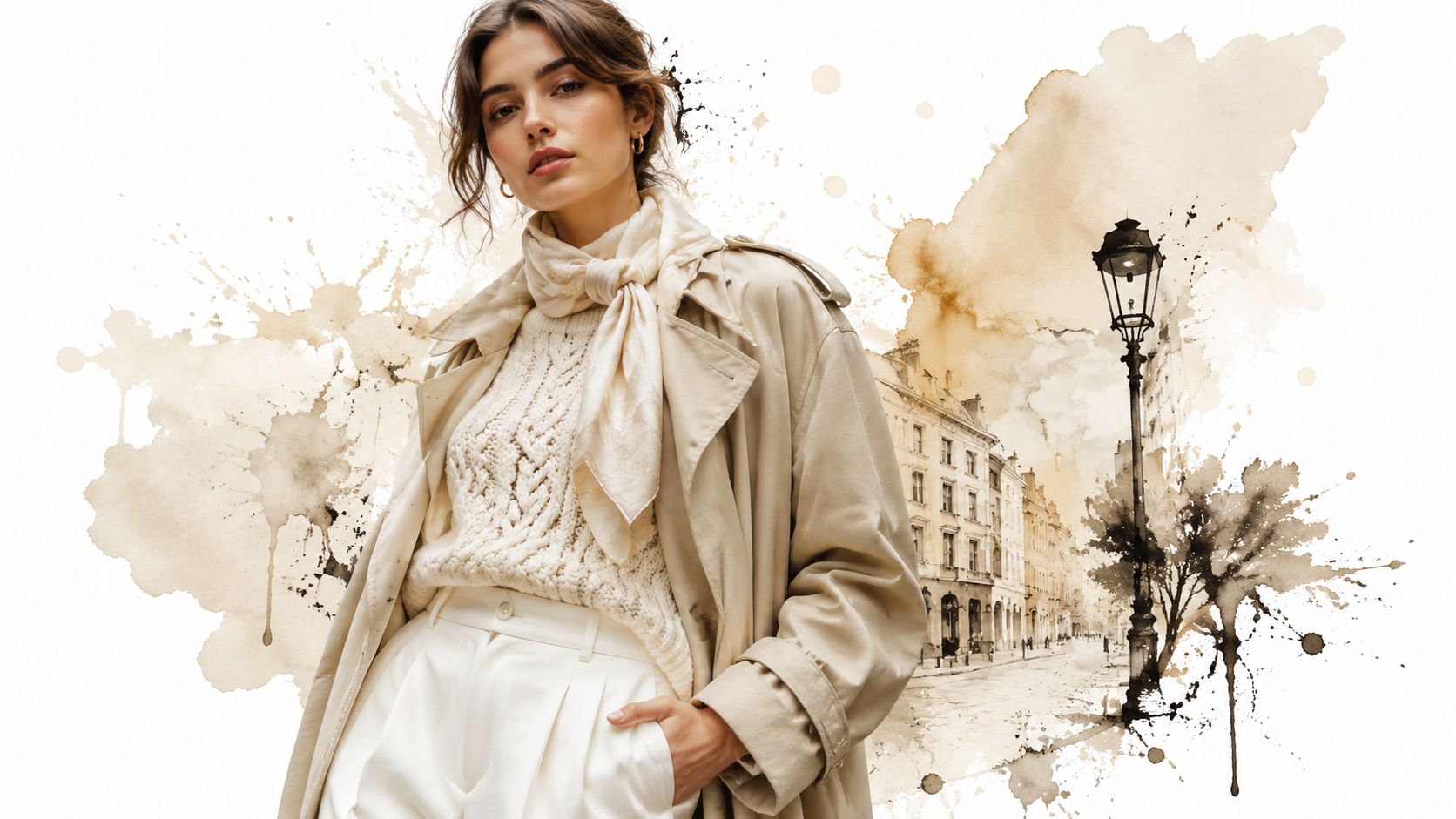
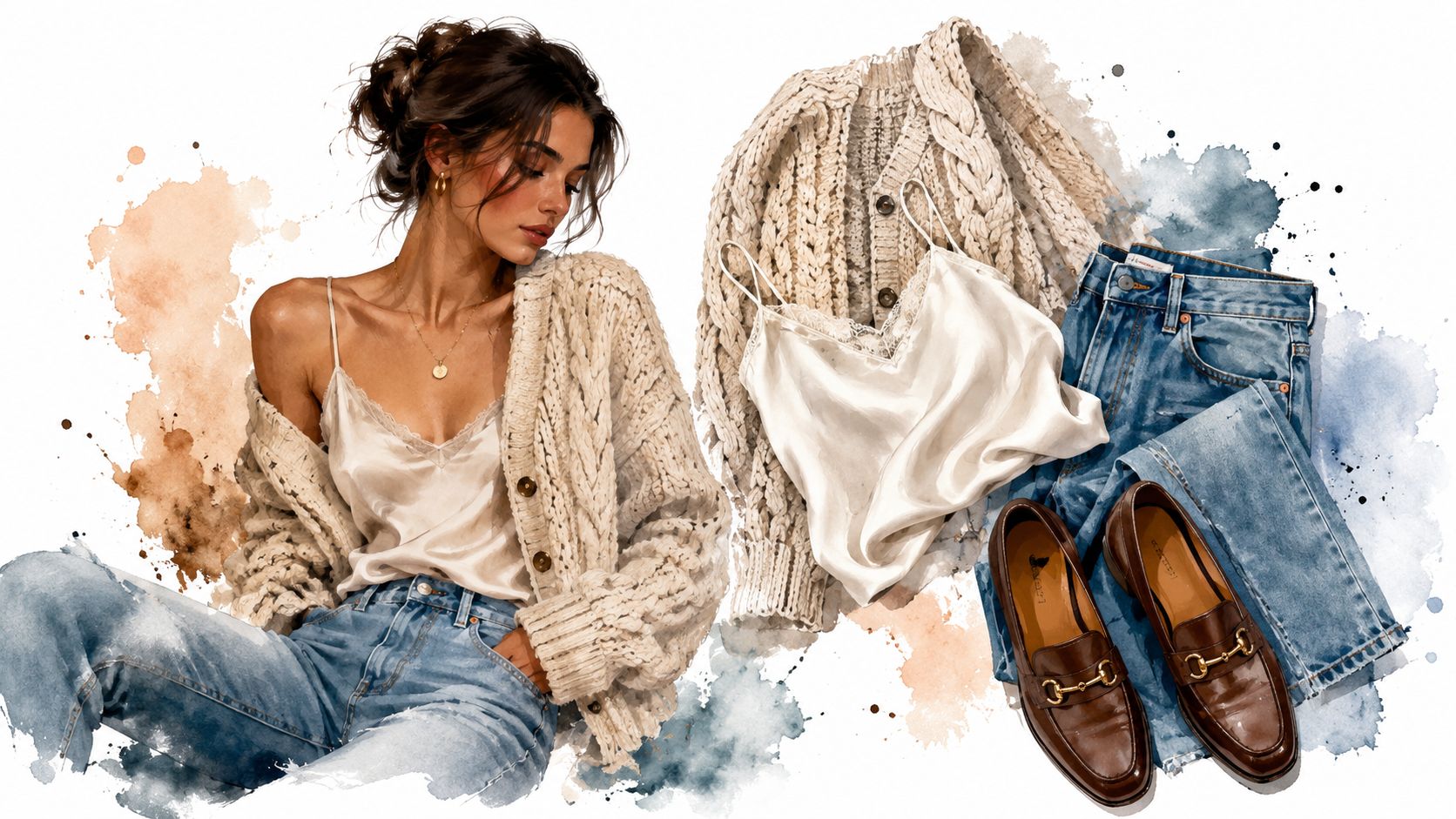
Cream is an easy entry point, but it is not the only good one. Navy, charcoal, olive, chocolate, and soft stone all give you room to mix lighter and deeper versions of the same tone. A satin slip under a cable-knit sweater works because the surfaces are different. The eye catches the contrast even when the palette stays quiet.
Build depth without clutter
Exact matching is usually the mistake. If the dress, layer, and shoes all share the same flat tone and finish, the outfit can read like a uniform. A good monochrome look needs at least one visible shift.
Use one of these combinations:
- Soft plus glossy: Pair a matte wool coat with a silky dress in the same family.
- Chunky plus fluid: Layer a ribbed knit over a satin or crepe dress.
- Dark plus light: Wear a dove-grey dress with charcoal boots and a slightly deeper grey coat.
- Smooth plus structured: Add a well-fitting blazer over a draped dress to sharpen the outline.
- Neutral metallics: Use gold or silver jewelry for definition without adding a competing color.
Practical rule: Keep the hue family steady. Let texture, finish, and lightness create the contrast.
This is also where proportion matters. If the dress is sleek and body-skimming, a thicker outer layer gives it enough weight. If the dress already has volume, keep the top layer cleaner so the silhouette does not turn bulky. Monochrome looks expensive when the shapes feel balanced, not crowded.
A few combinations prove the point quickly. A cream cable-knit sweater over a champagne slip dress feels relaxed and refined. A navy blazer over a column dress in a nearby navy reads sharper because the line is clean. An all-grey outfit with a knit dress, wool coat, and pointed boots looks modern because each grey catches light differently.
If color pairing still feels abstract, a quick guide to what colors complement each other in an outfit can help you spot undertones before you build a tonal look. That matters with monochrome too, especially when warm creams and cool taupes look similar on a hanger but clash once layered.
Virtual try-on is useful here because monochrome lives or dies on subtle differences. A coat that seems perfect beside a product photo can turn muddy against your actual dress. Testing the pieces together before you buy helps you judge contrast, length, and balance with less guesswork.
Start with black, cream, grey, or navy if you want the easiest wins. Once your eye gets sharper, move into burgundy, forest green, or powder blue. The goal is not to match everything perfectly. The goal is to make one color feel rich, dimensional, and fully styled.
2. Color Blocking with Complementary Palettes
You put on a simple dress, add one strong second color, and suddenly the whole outfit has a point of view. That is the appeal of color blocking. It creates contrast fast, but the best versions still follow clear styling principles.
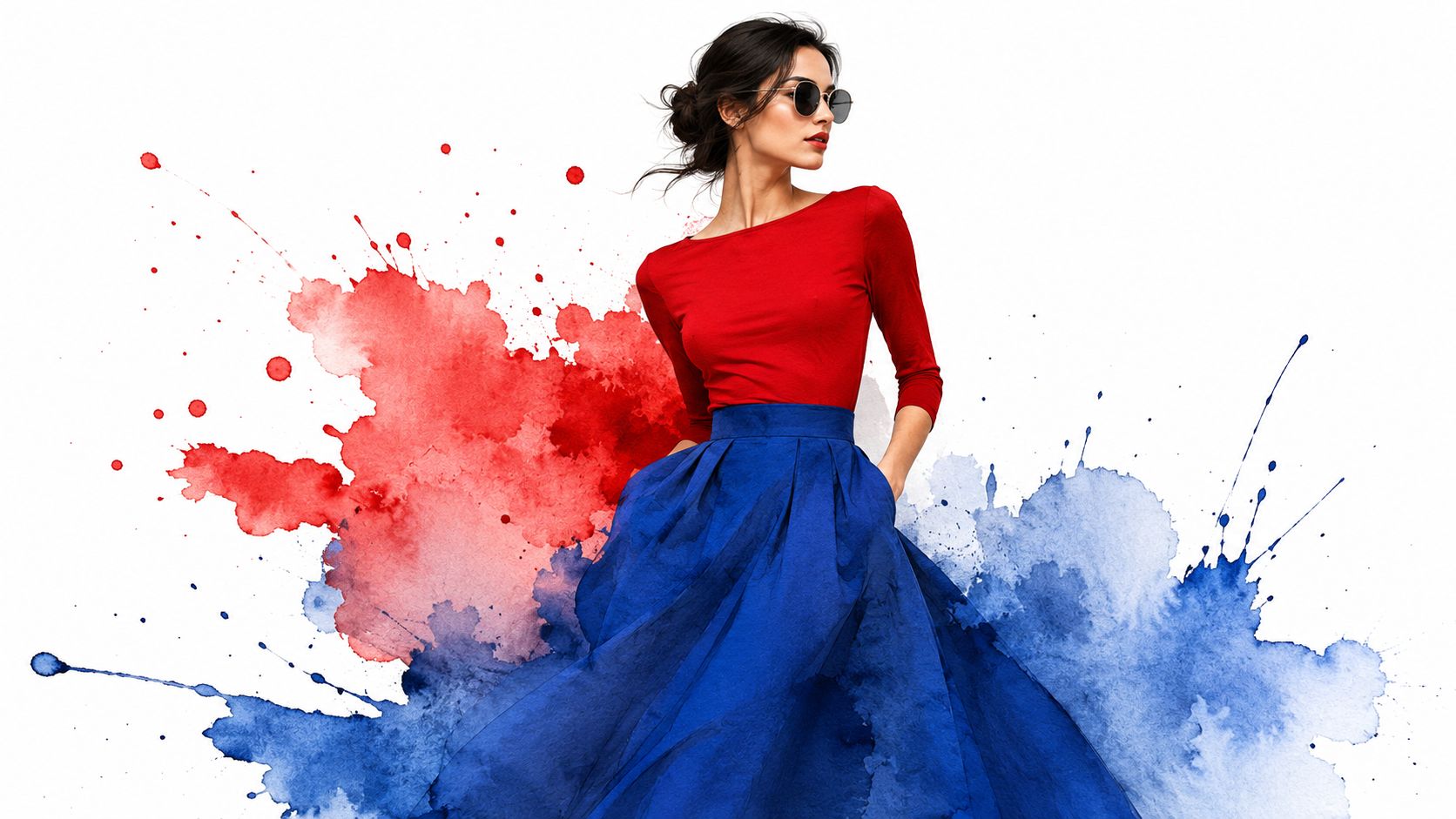
A red dress with a cobalt coat feels sharp because the colors push against each other. A green midi with a yellow blazer reads brighter and more playful. A tangerine sheath with turquoise shoes and bag can work too, but only if the shapes stay clean and one color clearly leads.
Keep one color in charge
Start with a simple ratio. Let the dress take up most of the visual space, bring in one secondary color through a coat, blazer, shoe, or bag, then keep the rest quiet. That balance is what makes bold color look intentional instead of busy.
A hot pink dress with a royal blue oversized coat already gives the eye enough to focus on. Neutral shoes and minimal jewelry keep the outfit crisp. Add patterned earrings, a third bright bag, and heavy makeup all at once, and the colors start competing rather than working together.
Bold palettes also expose fit problems faster. If a shoulder line pulls or the waist sits in the wrong place, strong contrast makes it more obvious. That is why it helps to understand the basics of getting the right clothing fit for your shape before building outfits around high-contrast color.
Bold color looks best when the silhouette is easy to read.
If you want a reliable starting point, use pairings that sit opposite or near-opposite on the color wheel. The guide on what colors complement each other helps with that part. Then test the idea on your own photo before buying anything. A combination that looks exciting on a brand campaign can look flat, harsh, or overly busy once it is on your coloring and proportions.
Virtual preview is especially useful with color because product photos often shift the truth. Studio lighting can make cobalt look softer, red look warmer, or lime look less intense than it is in real life. Trying combinations digitally helps you judge mood first. Fresh, dramatic, playful, polished. That is a better filter than guessing from separate product pages.
Try a yellow dress with a violet bag. Test a rust dress with a teal coat. Put bright saffron shoes under a green dress and check whether the contrast feels intentional or distracting. The goal is not to be louder. The goal is to use color with enough control that the outfit still feels like you.
3. Smart Proportions and Playing with Silhouettes
You put on a dress that looked perfect on the product page, add your usual shoes and jacket, and something still feels off. In most cases, the issue is not taste. It is visual balance.
Proportion decides whether an outfit reads polished, awkward, sharp, relaxed, or swallowed up. A puff-sleeve midi can feel heavy with chunky boots and a long cardigan, then look clean and intentional with sleek knee-high boots and a shorter jacket. A slip dress can read flat on its own, then gain presence with a strong shoulder layer that changes the line of the body.
Balance volume with restraint
Start by asking one question. Where is the visual weight?
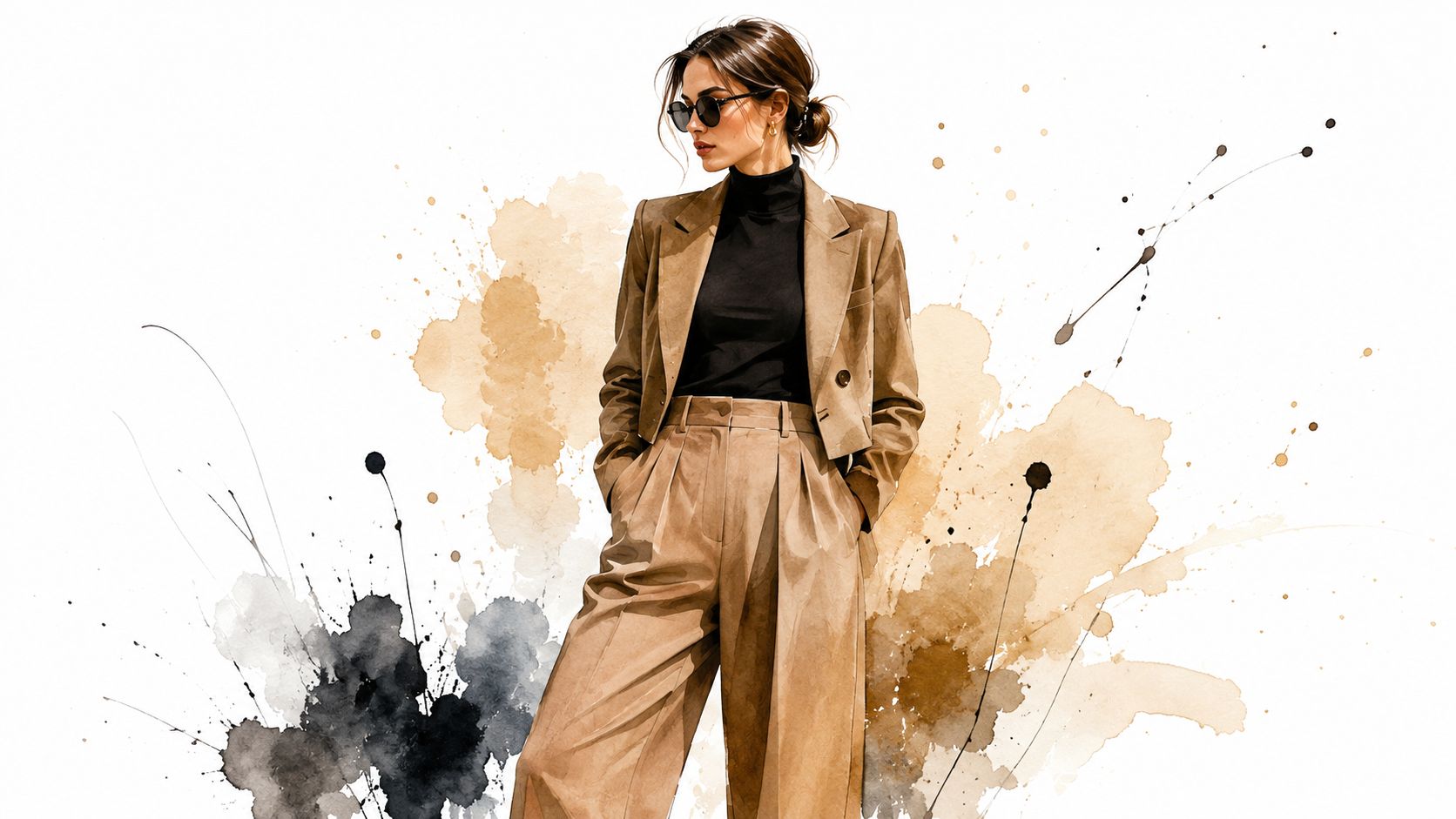
If the dress has fullness in the sleeves, skirt, or ruffles, keep the rest of the outfit cleaner so the shape stays readable. If the dress is narrow and minimal, add one piece with more structure, width, or length to give it presence. That trade-off matters more than following random rules about what dress “type” you own.
A few combinations that work for clear silhouette control:
- Fitted mini plus oversized blazer: The short hem keeps the longer top layer from looking heavy.
- Voluminous midi plus cropped jacket: You keep definition near the waist instead of covering the whole frame.
- Straight shirt dress plus belt or defined waist layer: Useful when the dress hangs too flat through the middle.
- Slim column dress plus tall boots: A long, uninterrupted line makes the whole outfit look stronger.
The goal is not to force every look into an hourglass. The goal is to make shape look intentional. Sometimes that means showing the waist. Sometimes it means creating a long vertical line. Sometimes it means letting one dramatic piece lead while everything else stays quiet.
Style check: A boxy dress usually needs a clearer line, not more fabric.
This matters even more when you shop resale or buy trend-driven shapes online. Product photos often hide where the waist hits, how full the skirt is, or whether the shoulder line feels too broad on a real body. That is why learning the basics of getting the right clothing fit for your shape helps so much before you start piling on layers and accessories.
Preview shape before checkout
Virtual try-on is especially useful for silhouette decisions because proportion is easier to judge on your own body than on a model with different height, shoulders, or torso length. Test the same dress with a cropped moto, a long blazer, and a fitted cardigan. The dress stays the same, but the visual message changes completely.
Now, styling gets fun. You can compare shape, not just color or trend appeal. A jacket that looks cool on its own may cut you off at the widest part of the hip. A dramatic boot may strengthen one dress and overpower another. Seeing those trade-offs before you buy saves money and usually leads to better outfits, too.
4. Texture Mixing for Dimension and Interest
You put on the dress, the fit is right, the color works, and the outfit still feels flat. Texture usually fixes that.
A slip dress changes character fast depending on what touches it. Add a brushed mohair cardigan and it feels soft, layered, and a little undone. Add a sharp leather jacket instead and the same dress reads cleaner and more directional. That shift matters because texture affects how an outfit feels before anyone notices the individual pieces.
Pair opposites on purpose
The strongest combinations usually come from fabrics that react to light, weight, or structure differently.
- Smooth with rough: Satin with cable knit or bouclé
- Delicate with structured: Lace with leather or crisp denim
- Light with weighty: Cotton poplin with wool or shearling
- Matte with shine: Crepe with patent, silk, or polished hardware
That contrast gives a dress shape and mood without relying on extra color or loud accessories. An oatmeal sweater over a cream satin slip can look richer than a bright outfit made from fabrics that all sit at the same visual volume.
The common mistake is stacking pieces that are all softly textured in the same way. Thin rib knit, jersey, and brushed cotton often blur together. The outfit is comfortable, but it can lose definition on the body and in photos. One fabric should catch light, hold structure, or add a clearly different surface.
Texture also helps you control formality. Satin with suede feels relaxed. Satin with a sharp blazer and sleek pumps feels dressed up. Lace with combat boots feels tougher and younger than lace with a classic heel. Those are useful trade-offs to test before buying, especially if you are trying to get more mileage from one dress.
Virtual try-on is helpful here because texture changes the whole message of a look, not just the fabric story. Compare your dress with a fuzzy cardigan, a cropped leather jacket, and a washed denim layer. You can judge which version gives enough contrast, which one overwhelms the dress, and which one feels most like you.
Use clearer photos for better previews
Flat-lay images usually work best when you are testing texture combinations. A clean photo of a satin slip, suede boot, or chunky knit gives the tool better visual information than a wrinkled hanger shot with heavy shadow.
If you style with jewelry often, texture should carry through there too. A glossy slip dress with hammered metal cuffs or brushed gold hoops usually looks more considered than pairing every piece with the same polished finish. These jewelry styling tips for mixing finishes and proportions can help you keep that balance. For wrists, creating signature bracelet layers adds another surface contrast without changing the dress itself.
The goal is visual depth. Once you start reading outfits by texture, getting dressed becomes more creative, and a lot more fun.
5. Personal Style Through Accessories and Details
You put on a dress that fits well, but it still does not feel like you. That missing piece is usually not another layer or a different hemline. It is the finishing details that set the attitude, sharpen the proportions, and make the outfit read personal instead of generic.
Accessories do more than decorate. They control the styling message. The same black dress can read preppy with loafers and a headband, sharp with a chain belt and silver jewelry, or romantic with ballet flats and pearls. If you understand that shift, you can get far more range from one dress without buying three versions of it.
Use details to direct the eye
Start with one styling priority. Decide whether you want attention to land at the face, the waist, or the shoes. That choice keeps accessories from competing with each other and gives the outfit a point of view.
A few fast ways to make that decision work:
- Shoes: They usually set the mood first. Boots add structure. Ballet flats soften the line. Sneakers make a dress feel more relaxed and current.
- Jewelry: Fine pieces keep the look light. Chunkier shapes add weight, contrast, and more personality.
- Belts: Best when the dress needs definition or when you want to break up a long column of fabric.
- Bags: Useful for shifting the formality level. A slouchy tote changes the whole feel of a slip dress surprisingly fast.
There is a trade-off here. If the dress already has strong details, such as ruching, sheen, a bold print, or heavy drape, quieter accessories usually look better. If the dress is clean and simple, details can carry more of the styling work.
Build a signature, not just an outfit
The most interesting dress styling ideas usually come from repetition. Maybe you always wear sculptural earrings with minimal dresses. Maybe you prefer soft gold, slim belts, and polished flats. Those patterns become your style signature, and they make getting dressed faster because you already know what supports your shape and taste.
Jewelry is often where that signature becomes obvious. Mixing scale and finish usually looks more considered than matching every piece perfectly. These jewelry styling tips for mixing finishes and proportions can help you make those combinations feel intentional. If bracelets are part of your regular rotation, creating signature bracelet layers adds interest without changing the dress itself.
Test the styling principle before you buy
Accessories may cost less than a dress, but they still cause second-guessing when the proportions are off or the mood is wrong. A bag can look perfect on its own and feel too heavy once it sits next to a delicate dress. Shoes can be beautiful and still throw off the line of the hem.
Previewing those combinations before checkout helps you judge the essential question. Not whether the item is nice, but whether it supports the version of the dress you want to create.
That is especially useful with marketplace finds and secondhand pieces, where styling potential matters as much as the product photo. Compare the same dress with two shoe shapes, a structured bag versus a soft one, or delicate jewelry versus bold metal. You will spot your preferences faster, avoid random add-ons, and build outfits that look intentional from head to toe.
5-Point Dress Styling Comparison
| Technique | Implementation Complexity 🔄 | Resource Requirements ⚡ | Expected Outcomes ⭐ | Ideal Use Cases 📊 | Key Advantages 💡 |
|---|---|---|---|---|---|
| Monochromatic Layering for Effortless Elegance | Low–Medium, simple rules, needs attention to undertones/textures | Low, mostly uses existing wardrobe; few new purchases | High, polished, cohesive, elongating silhouette | Professional settings, capsule wardrobes, simplified styling | Simplifies decisions; flattering on most body types; seasonless |
| Color Blocking with Complementary Palettes | Medium, requires color theory and confidence to balance contrasts | Medium, may need bold, specific pieces or statement items | High, strong visual impact; memorable looks | Making a statement, creative or casual outfits, trend experimentation | Immediate personality and contrast; great for testing color preferences |
| Smart Proportions: Playing with Silhouettes and Fits | Medium–High, needs understanding of personal proportions and trial | Low–Medium, uses existing pieces; tailoring sometimes helpful | High, balanced, flattering silhouettes; makes trends wearable | Finding fit, versatile wardrobes, shopping with confidence online | Balances volume and fit; prevents shapelessness; customizes trends |
| Texture Mixing for Dimension and Interest | Medium, requires sense of harmonious textures to avoid chaos | Low–Medium, can mix high/low pieces; minimal new buys needed | High, adds depth and tactile sophistication without relying on color | Elevating neutrals, everyday sophistication, tactile-focused styling | Creates dimension in outfits; pairs well with monochrome; bridges with metallics |
| Personal Style Through Accessories and Details | Low, easy to implement; requires restraint on scale/proportion | Low, typically affordable; small investments refresh looks | Medium–High, transforms basic pieces into varied looks | Building personal style, maximizing outfit combos, testing trends | Cost-effective experimentation; one-statement rule; high versatility |
Start Styling and Visualizing Your Look Today
A dress rarely fails on its own. The outfit usually shifts once the proportions, texture, color balance, or accessories fall out of sync.
That is good news, because those are all things you can test.
A simple dress can head in completely different directions depending on what you pair with it. A slip dress with a brushed cardigan feels softer and more relaxed. The same dress with a sharp blazer and cleaner accessories reads polished fast. A shirt dress changes too. Jacket length, shoe weight, and bag size can make it feel defined, boxy, casual, or pulled-together.
That kind of range is what makes styling fun, and it is also why broad advice like “add a belt” only gets you so far. The stronger approach is learning the underlying rules. Where the outfit cuts your frame matters. So does whether fabrics echo each other or create contrast. Color can either sharpen a look or flatten it. Once you start spotting those patterns, shopping gets easier and getting dressed gets faster.
Virtual try-on helps with the part that is hardest to judge from a product page. You can check whether a cropped layer hits at a flattering point, whether a heavy shoe drags down a light hemline, or whether a color pairing works with your features instead of just looking good on the model. I find it especially useful for secondhand finds, occasion dressing, and trend pieces that could feel fresh or completely wrong depending on the styling.
For one extra detail-focused reference, I like this guide to perfect ankle bootie proportions, especially with midi and mini lengths.
Start with one dress you already own. Try three versions. Change the layer, change the shoe, then change the scale of the accessories. Compare the looks side by side before you buy anything new. You will spot what works on your body much faster, and your outfits will start to look intentional for a reason.
Try Virtual Try-On Now
See how clothes look on you before you buy - works with any online store
Get Started Free